
The Taíno cotton cemí
A unique artefact in the world

Introduction
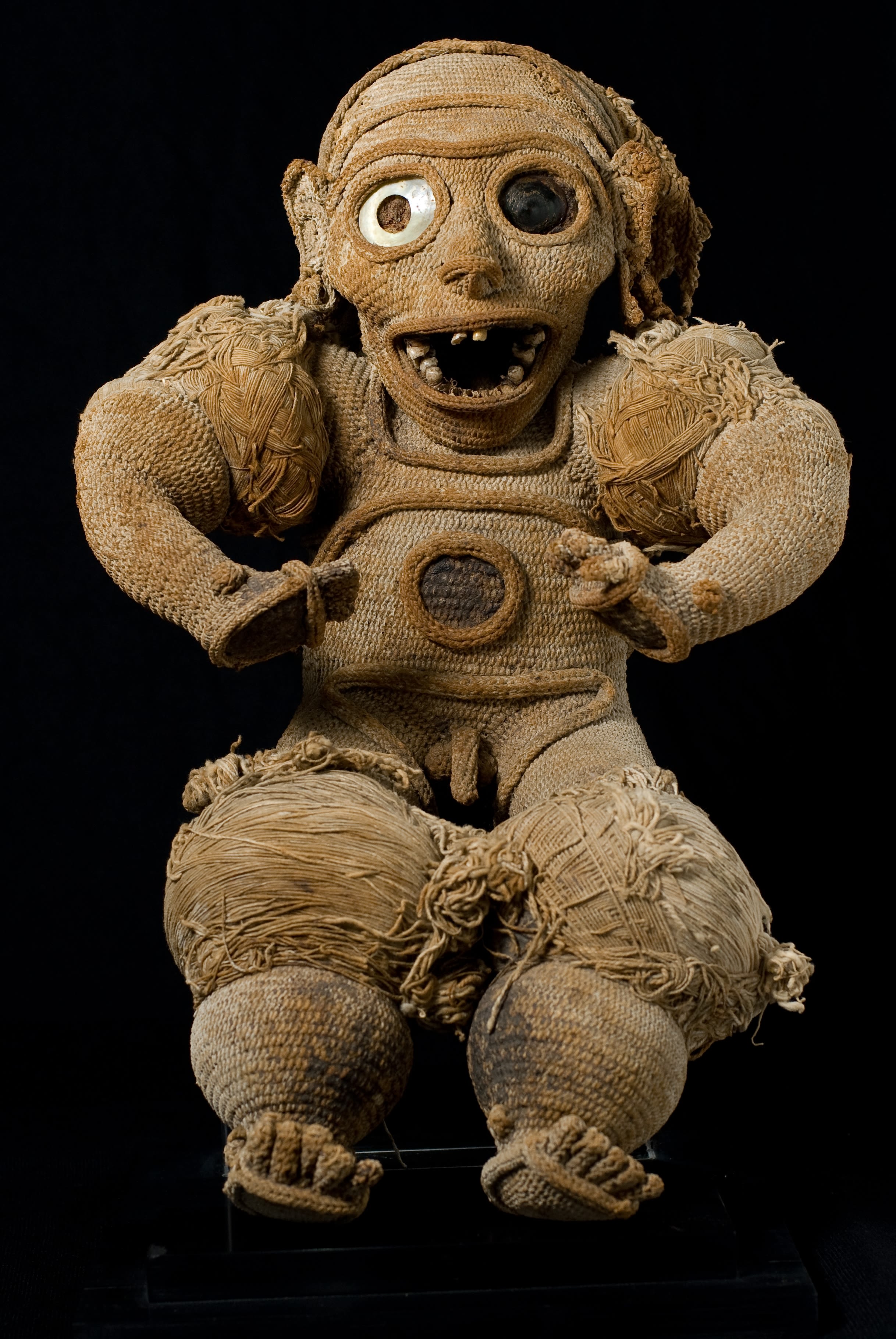
The Museum of Anthropology and Ethnography of the University Museum System at the University of Turin (MAET) houses a unique cotton reliquary in its collection, enclosing a human skull dating back to the 15th century and originating from the island of Hispaniola (present-day Dominican Republic/Haiti). This is the only surviving pre-Columbian cotton cemí (a representation of an ancestor or spirit) presently known.
The object offers a rare glimpse into the complex rituals and belief systems of the Taíno, the Indigenous people of the Greater Antilles on the eve of European contact. The artefact was recovered from a cave west of Santo Domingo and acquired in 1882 by the Italian consul Giovan Battista Cambiaso, who sent it to Italy before 1902. It was later donated, along with a second wooden cemí, to the Museum of Antiquities in Turin in 1928, and subsequently transferred to the MAET.
The cotton cemí represents a seated figure approximately 75 cm in height. A portion of a human skull is embedded within the head. While cotton forms the outer surface of the cemí, its internal structure is composed of various materials.

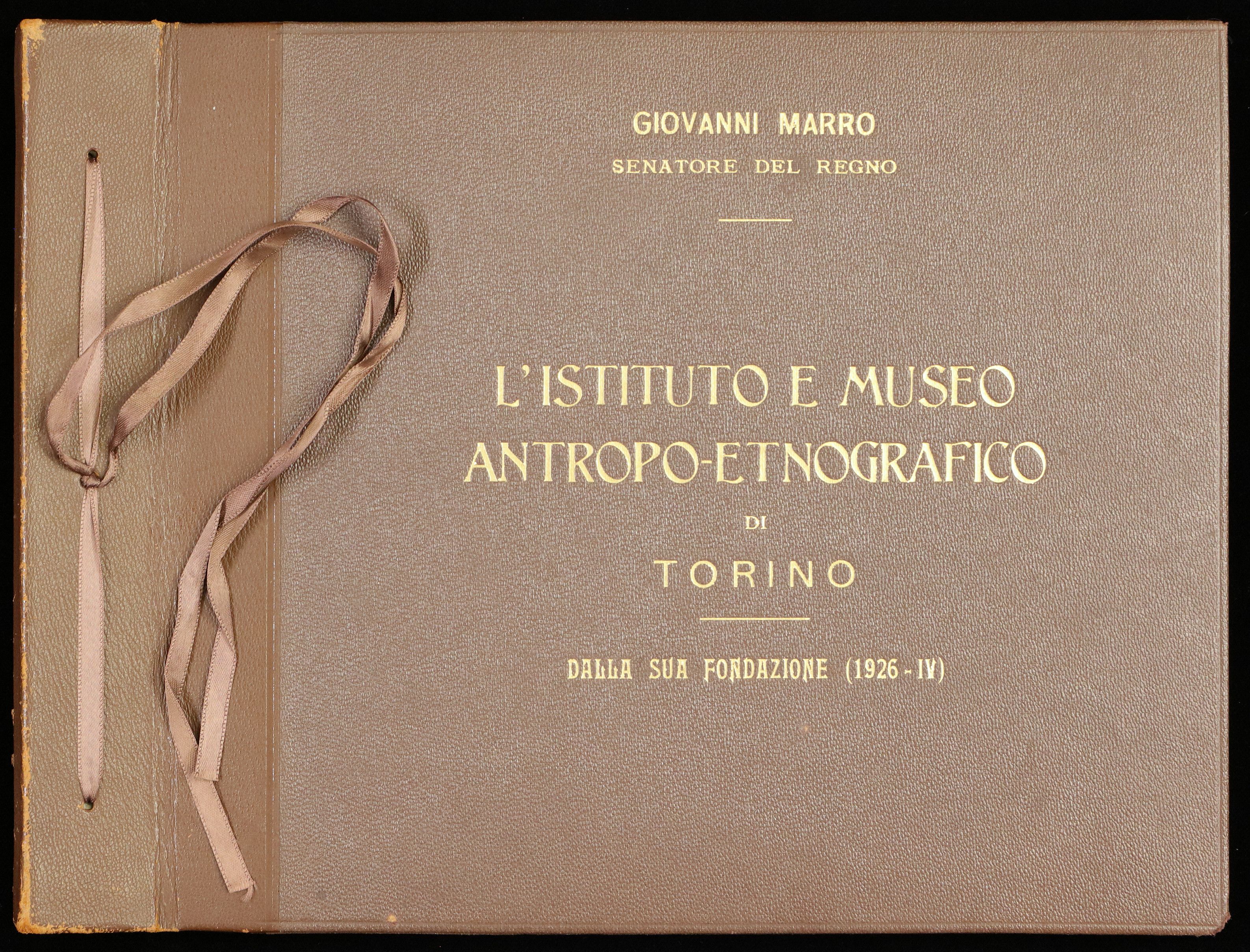
Photographic album to celebrate the first ten years since the founding of the MAET, 1936. © MAET.
Photographic album to celebrate the first ten years since the founding of the MAET, 1936. © MAET.

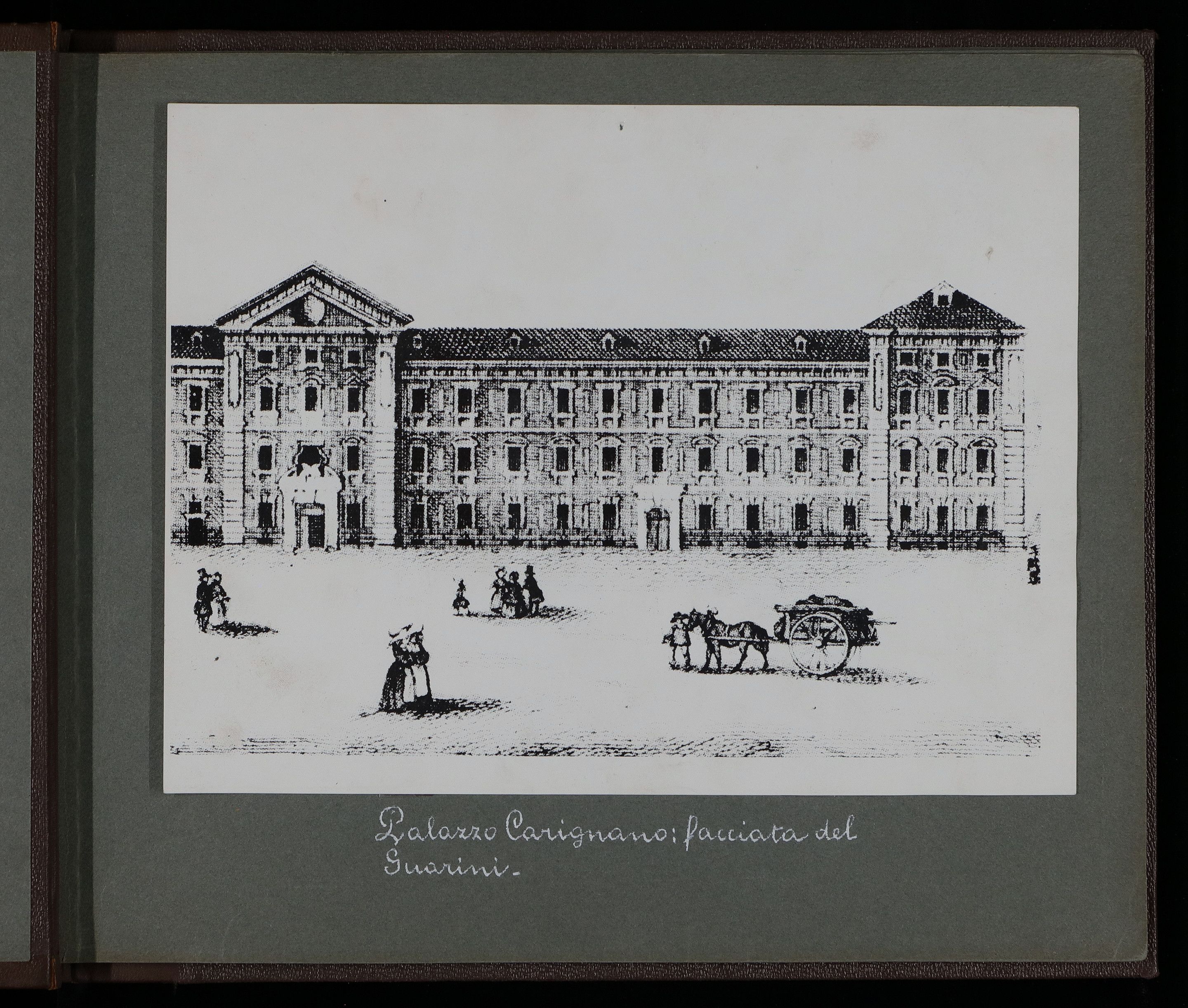
Palazzo Carignano in Turin. First headquarters of the Museum of Anthropology and Ethnography (MAET). © MAET
Palazzo Carignano in Turin. First headquarters of the Museum of Anthropology and Ethnography (MAET). © MAET

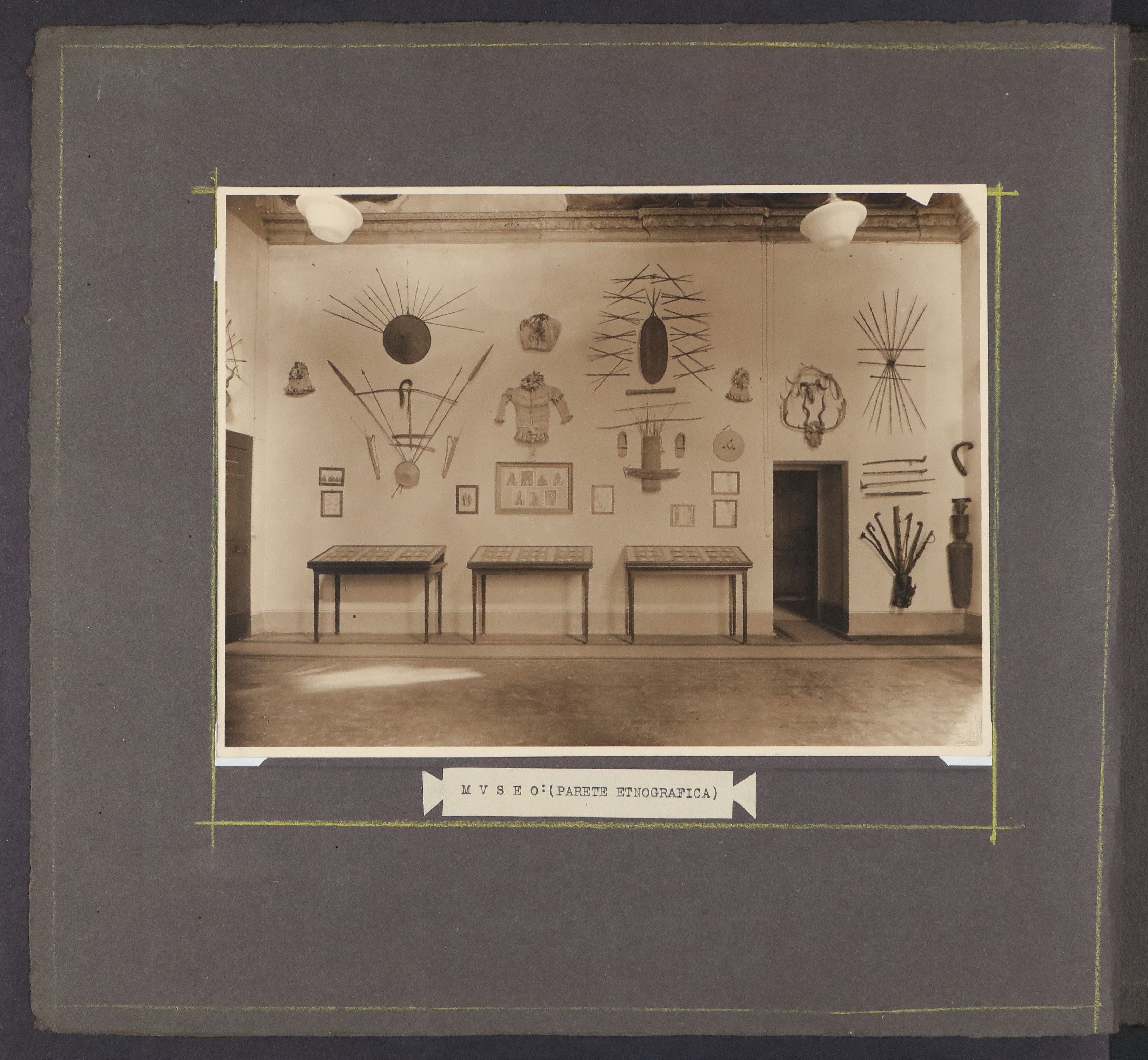
First museum exhibition at Palazzo Carignano, 1926–1936. © MAET. Photo by Giovanni Marro.
First museum exhibition at Palazzo Carignano, 1926–1936. © MAET. Photo by Giovanni Marro.

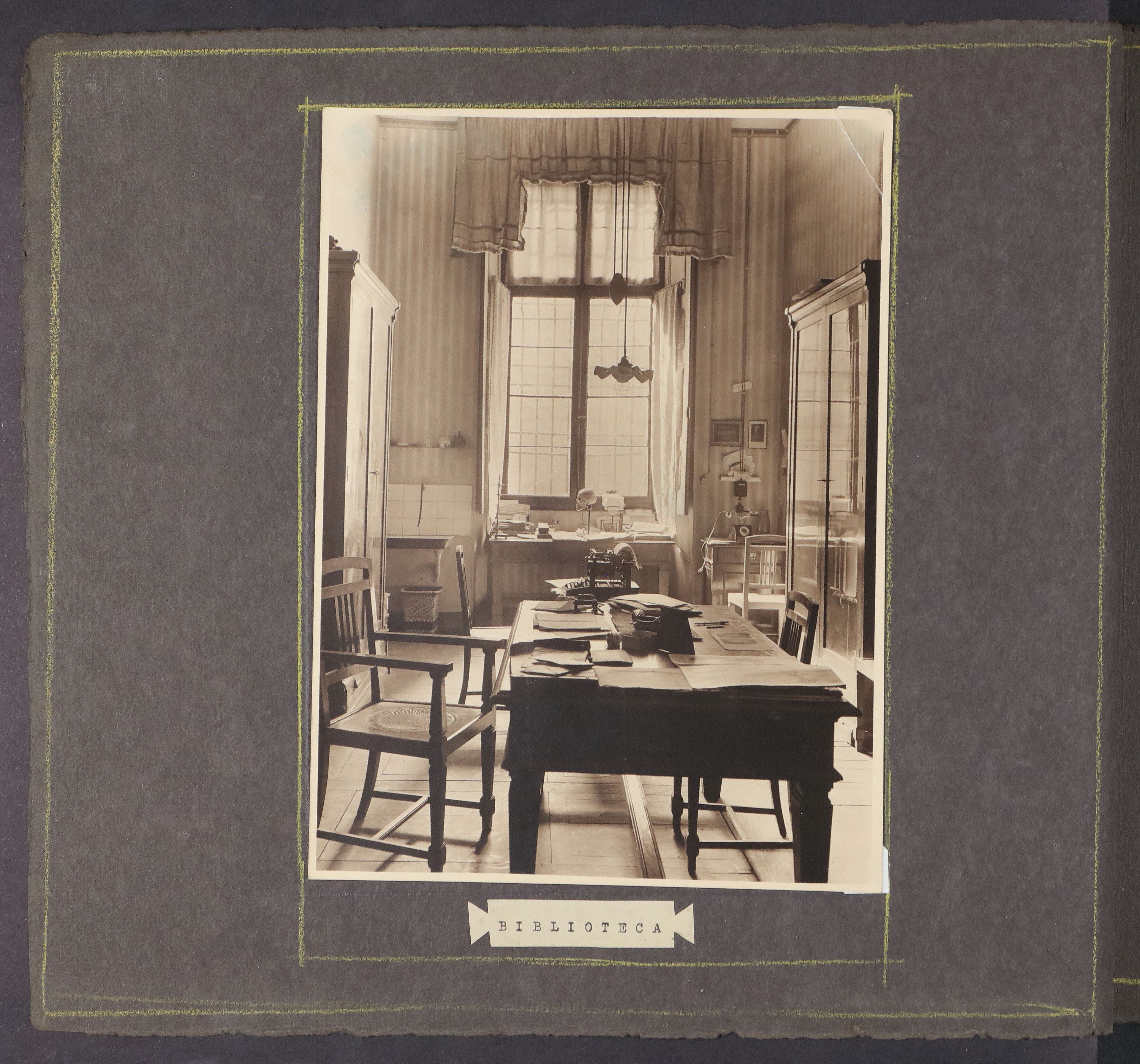
First museum exhibition at Palazzo Carignano, 1926–1936. © MAET. Photo by Giovanni Marro.
First museum exhibition at Palazzo Carignano, 1926–1936. © MAET. Photo by Giovanni Marro.

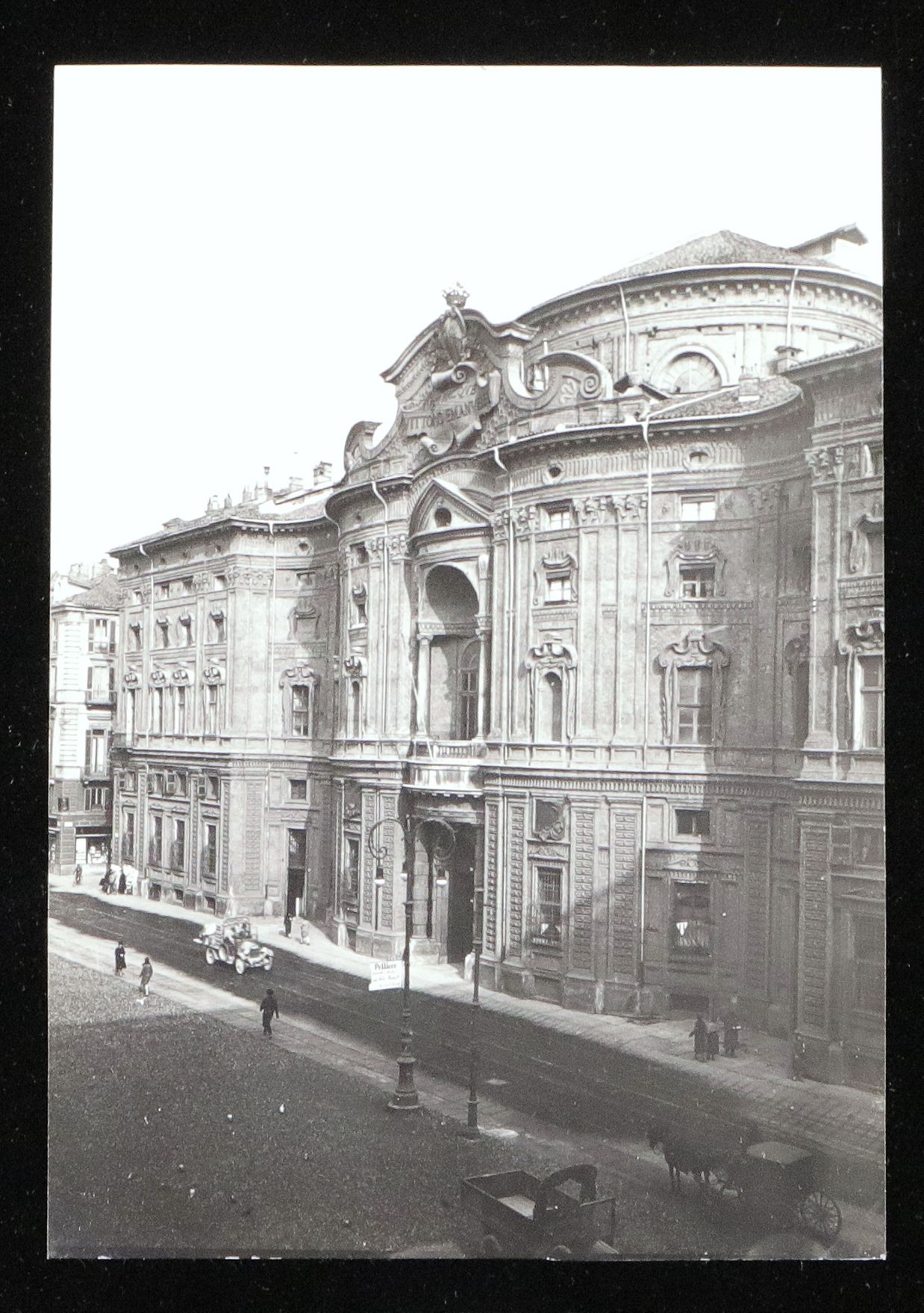
Palazzo Carignano in Turin, 1926. First headquarters of the Museum of Anthropology and Ethnography (MAET). © MAET
Palazzo Carignano in Turin, 1926. First headquarters of the Museum of Anthropology and Ethnography (MAET). © MAET
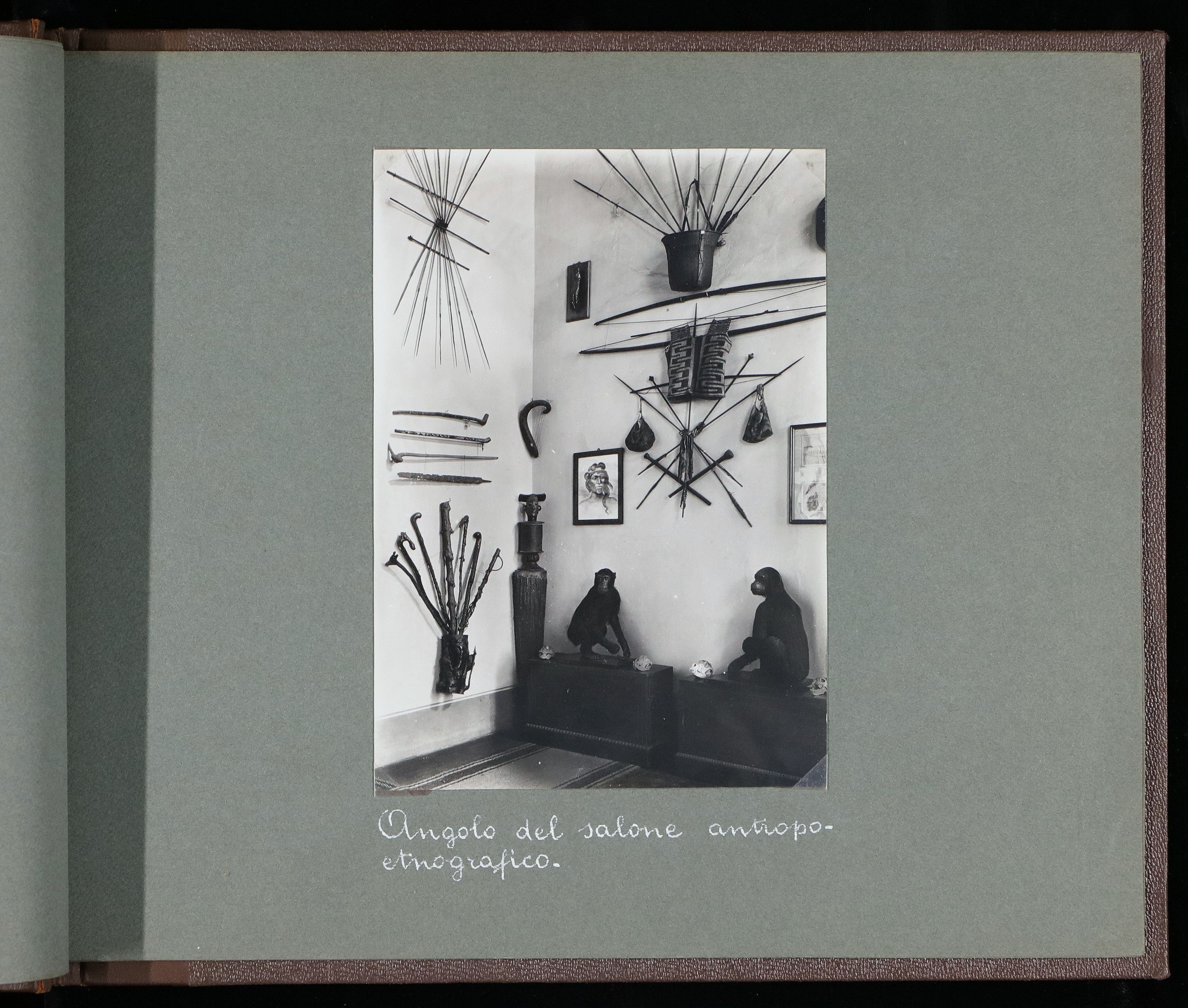
First museum exhibition at Palazzo Carignano, 1926–1936. © MAET. Photo by Giovanni Marro.
First museum exhibition at Palazzo Carignano, 1926–1936. © MAET. Photo by Giovanni Marro.
“The cotton cemí of Turin is a one-of-a-kind artefact – the only known example from the Indigenous Caribbean communities, although a few others may have been reported in the past. Its rarity lies in the fact that objects made from perishable natural materials, such as cotton and textiles, tend to deteriorate over time and eventually disappear, especially in tropical environments. Its preservation in a dry cave allowed it to survive, an exceptionally rare occurrence.”
André Delpuech, General Curator of Heritage - Paris
.01
The Taíno
When Christopher Columbus arrived in 1492, Taíno societies were politically complex and socially stratified, governed by leaders known as caciques.
The Spaniards likened these leaders to local princes, drawing analogies with their own European references. Each paramount cacique ruled over a vast territory, comprising villages of several thousand inhabitants.
These villages featured impressive wooden architectural structures, irrigation canals, and extensive cultivated lands. Taíno economy was primarily based on agriculture, horticulture, fishing, hunting and craftsmanship.

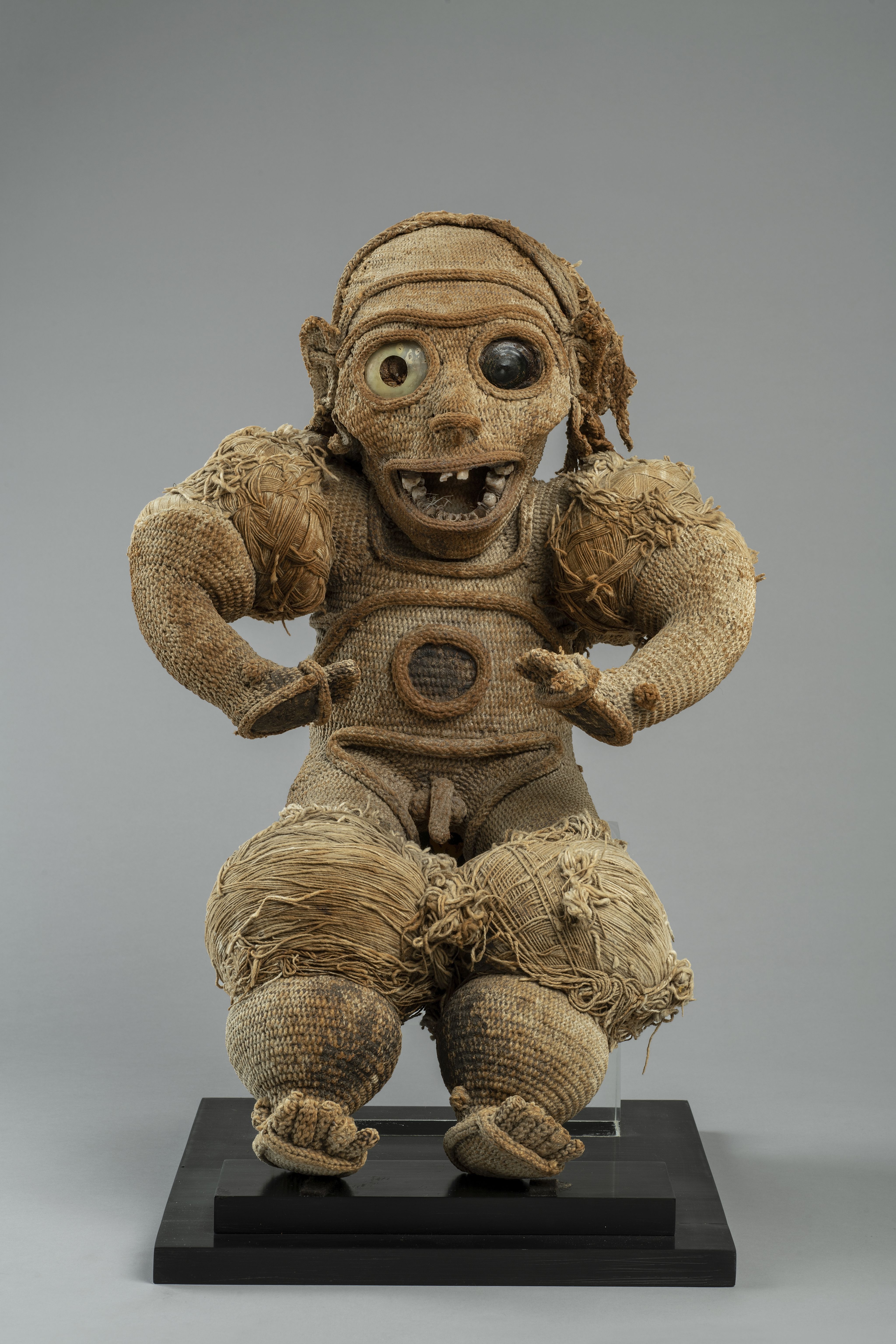
Taíno cotton cemi, 15th century. © MAET. Photo by gonellafotostudio
Taíno cotton cemi, 15th century. © MAET. Photo by gonellafotostudio

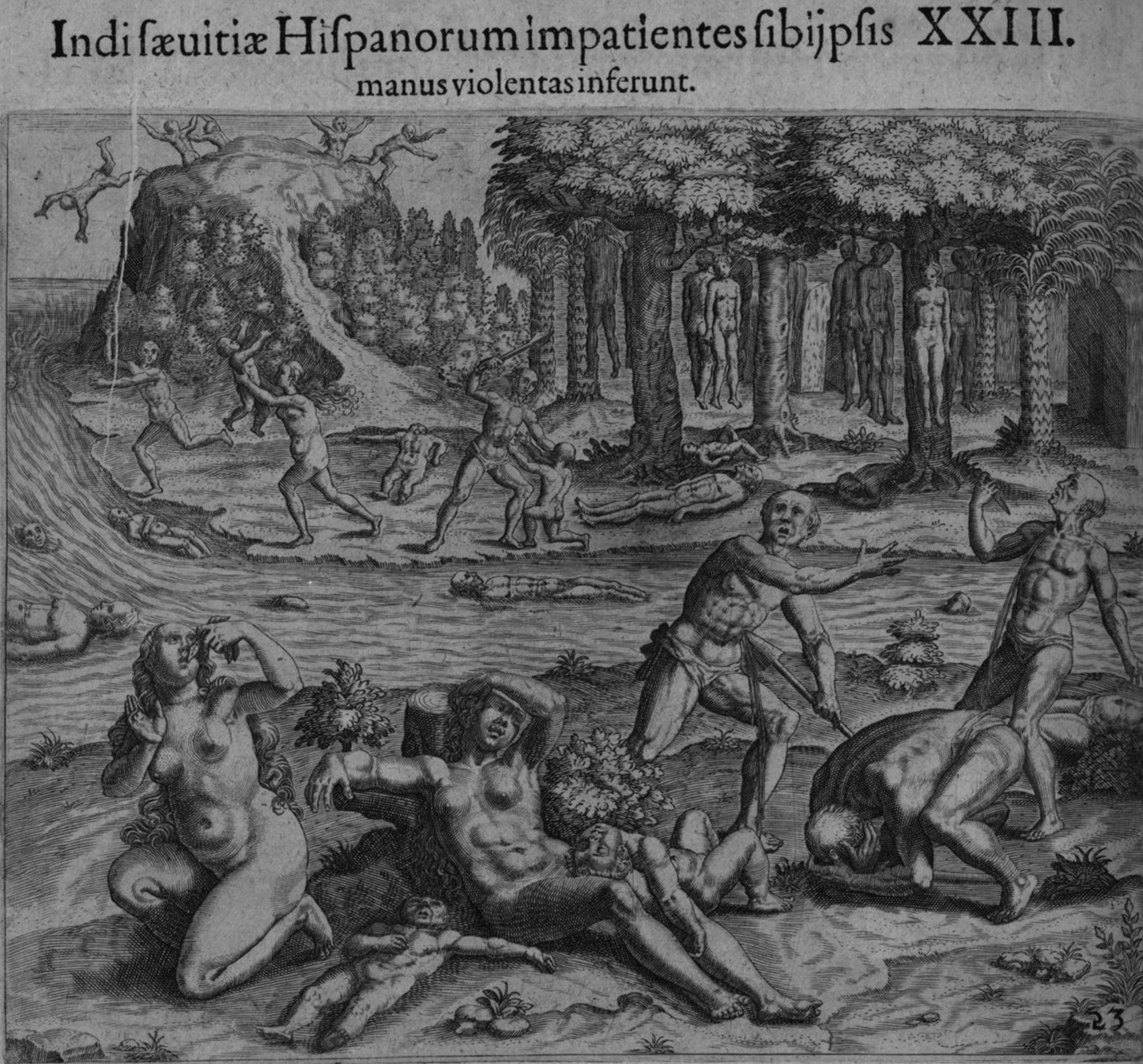

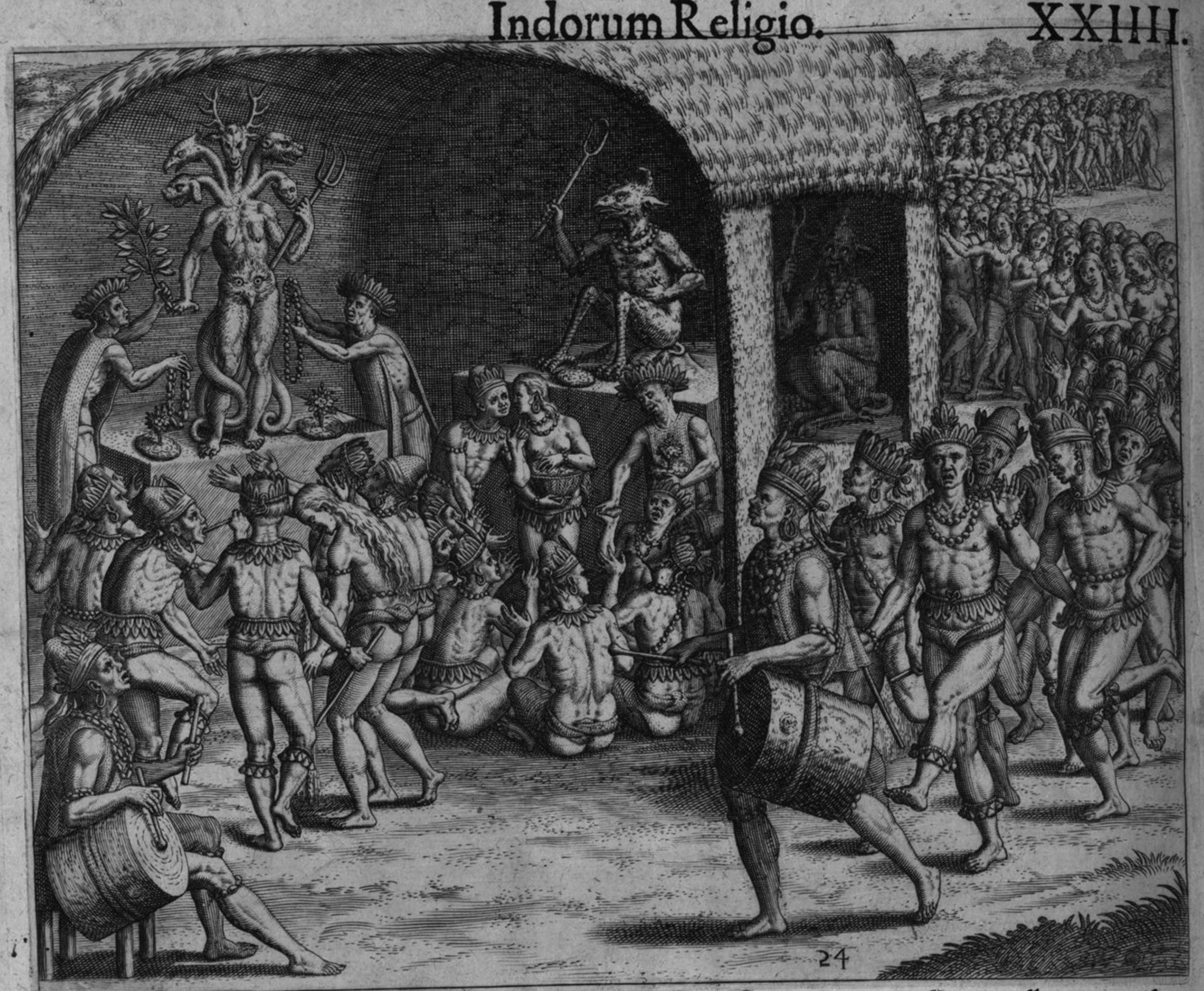
Their political organization was deeply intertwined with their religious system. When a cacique faced strategic decisions, they would convene a council in their large hut, the caney. Among the attendees were the most significant cemí—sacred figures kept by the cacique.
The leader would then initiate the cohoba ceremony, a ritual in which community leaders inhaled the hallucinogenic cohoba. During these rituals, they sought guidance from the cemí, asking them to predict the outcomes of a particular decision. These ceremonies predominantly addressed matters critical to the community's well-being and safety, relying on the presence and "voice" of the cemíes.
The Taíno were part of the broader group of Amazonian peoples. Their ancestors colonized the archipelago, originating from the Orinoco Delta in Venezuela, between 400 and 250 BCE.
The Spanish referred to them as Indios.
However, the Taíno societies encountered by the Spanish were not homogenous but encompassed a wide range of peoples, languages, and cultures.
What unified them was a political and religious system centered on the cemíes, revered as spiritual agents capable of mediating between the worlds of the living, spirits, and ancestors.
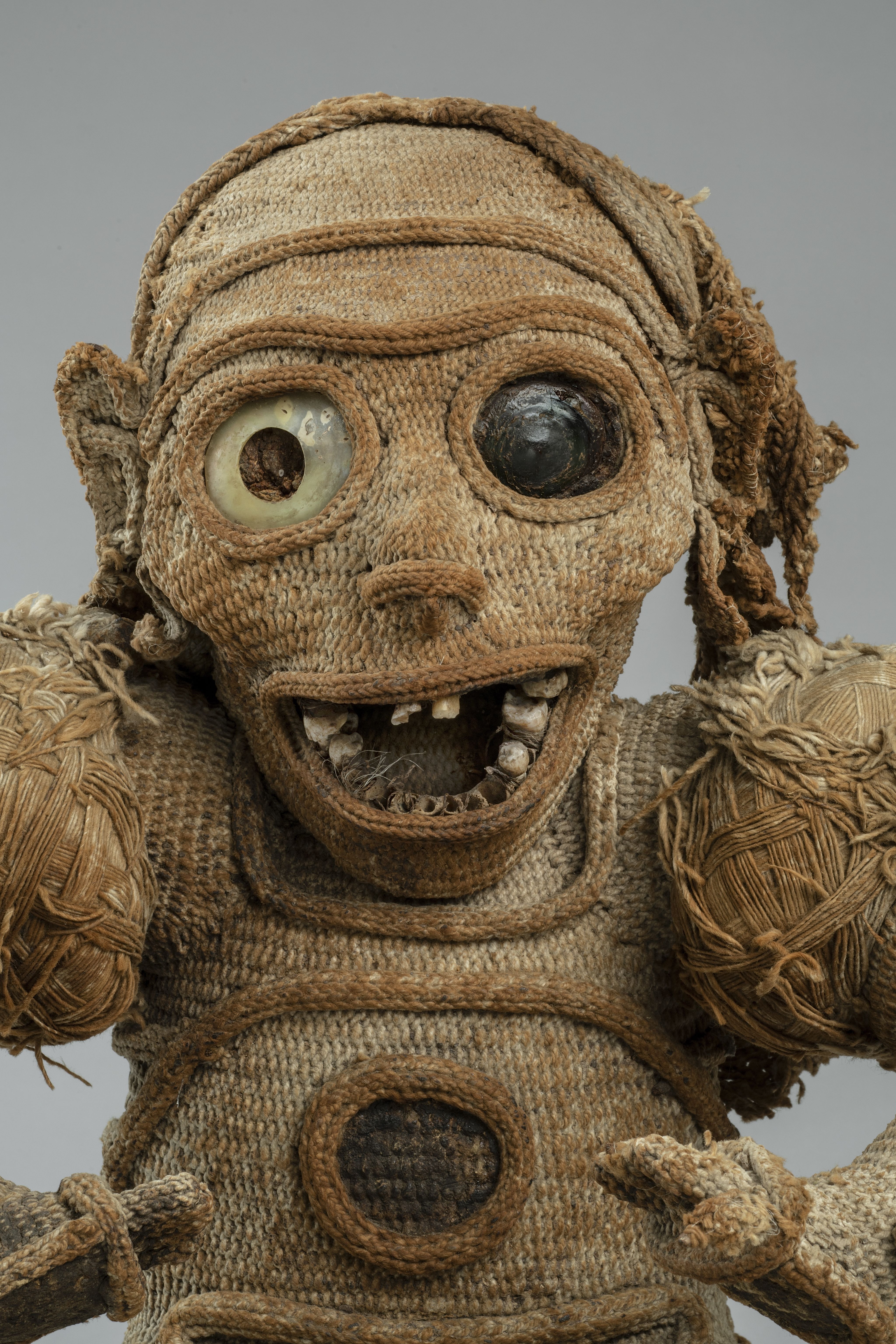
Taíno cotton cemi, 15th century. © MAET. Photo by gonellafotostudio
Taíno cotton cemi, 15th century. © MAET. Photo by gonellafotostudio

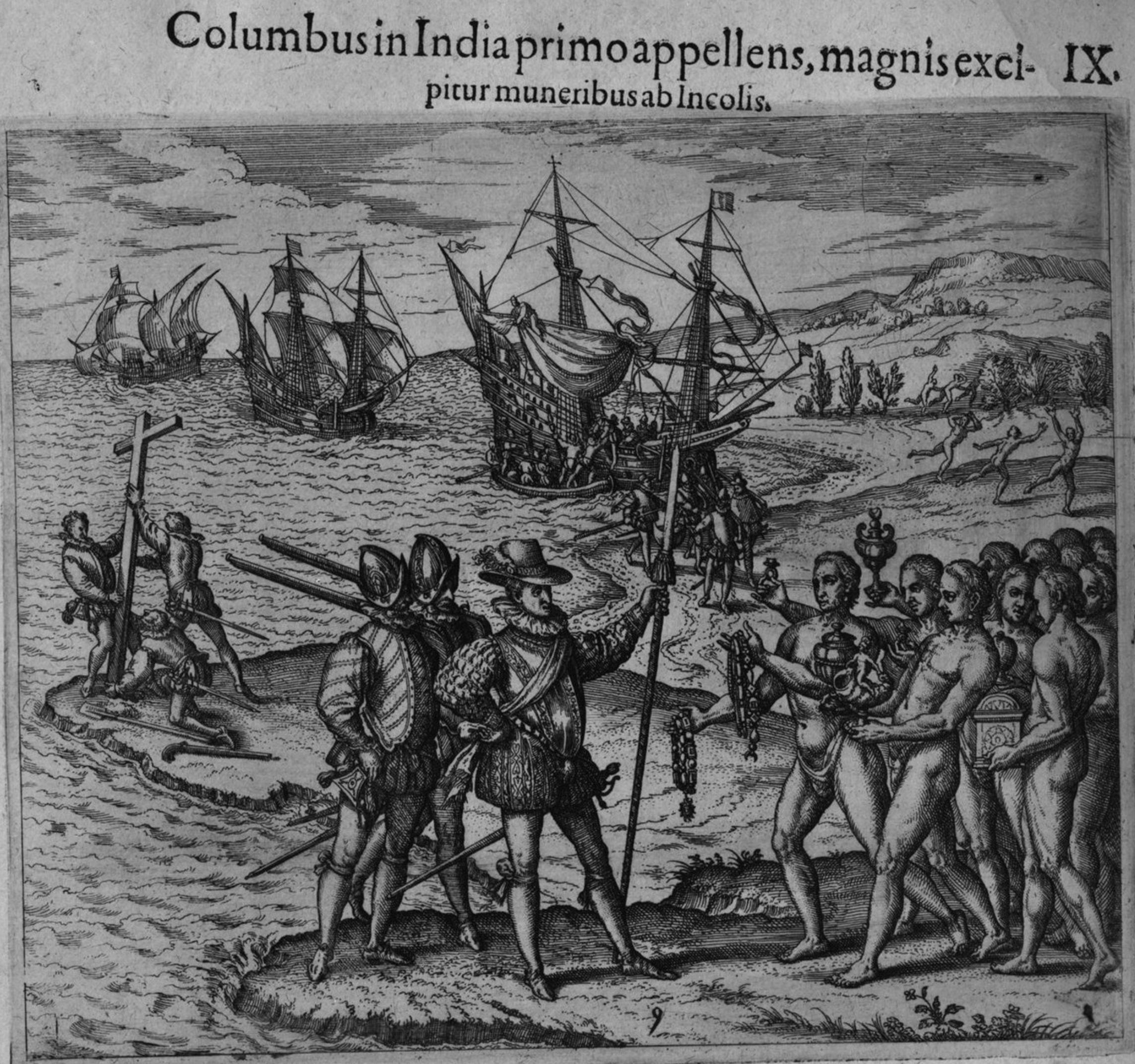
Columbus, at the first landing in India. © Théodore de Bry, India occidentalis, part IV, illustration IX. Creative commons CC-BY-NC, 4.0
Columbus, at the first landing in India. © Théodore de Bry, India occidentalis, part IV, illustration IX. Creative commons CC-BY-NC, 4.0
.02
Columbus and the Taíno
During his second voyage to the Americas in 1493, Christopher Columbus tasked Ramón Pané, a Catalan friar of the Order of Saint Jerome, with living among the Taíno on the island of Hispaniola to study and document their culture, with a particular focus on their religious beliefs and practices.
Following his extended stay, Pané wrote a chronicle in Castilian between 1496 and 1500, titled "An Account of the Antiquities of the Indians," which is now considered the first ethnographic report written in the New World.
What most interested Columbus and Pané was not so much the daily life of the Taíno people and their economic and social systems, but rather their ritual practices, religious beliefs, and mythology.
Understanding these aspects in depth would help Columbus, initially appointed "Admiral of the Ocean Sea" and governor of all the lands he discovered, as well as his successors, to better conquer and then convert the inhabitants of the discovered lands.
The main information regarding the beliefs and practices related to the cemíes comes from the work of Ramón Pané, Columbus's own accounts, and the biography written by his son Fernando.
The role and importance of the cemíes did not escape Columbus, who documented how the Taíno chiefs protected cemíes from the presence of the Spaniards.
The relationships between the Taíno caciques (chiefs) and Christopher Columbus were varied.



Other caciques, like Caonabó, firmly opposed the Spanish presence and clashed with Columbus's men.
Guarionex, another cacique, tried to mediate between the Taíno and the Spaniards but ended up rebelling against the latter's domination.
.03
The cemí from Santo Domingo to Genoa
In a manuscript preserved in the archives of the Smithsonian Institution, Rodolfo Cambiaso writes that the cotton cemí was found by a boar hunter who, mistaking it for a ghost, struck it on the head with his machete, damaging it.
In 1882 it was acquired by Admiral Cambiaso.

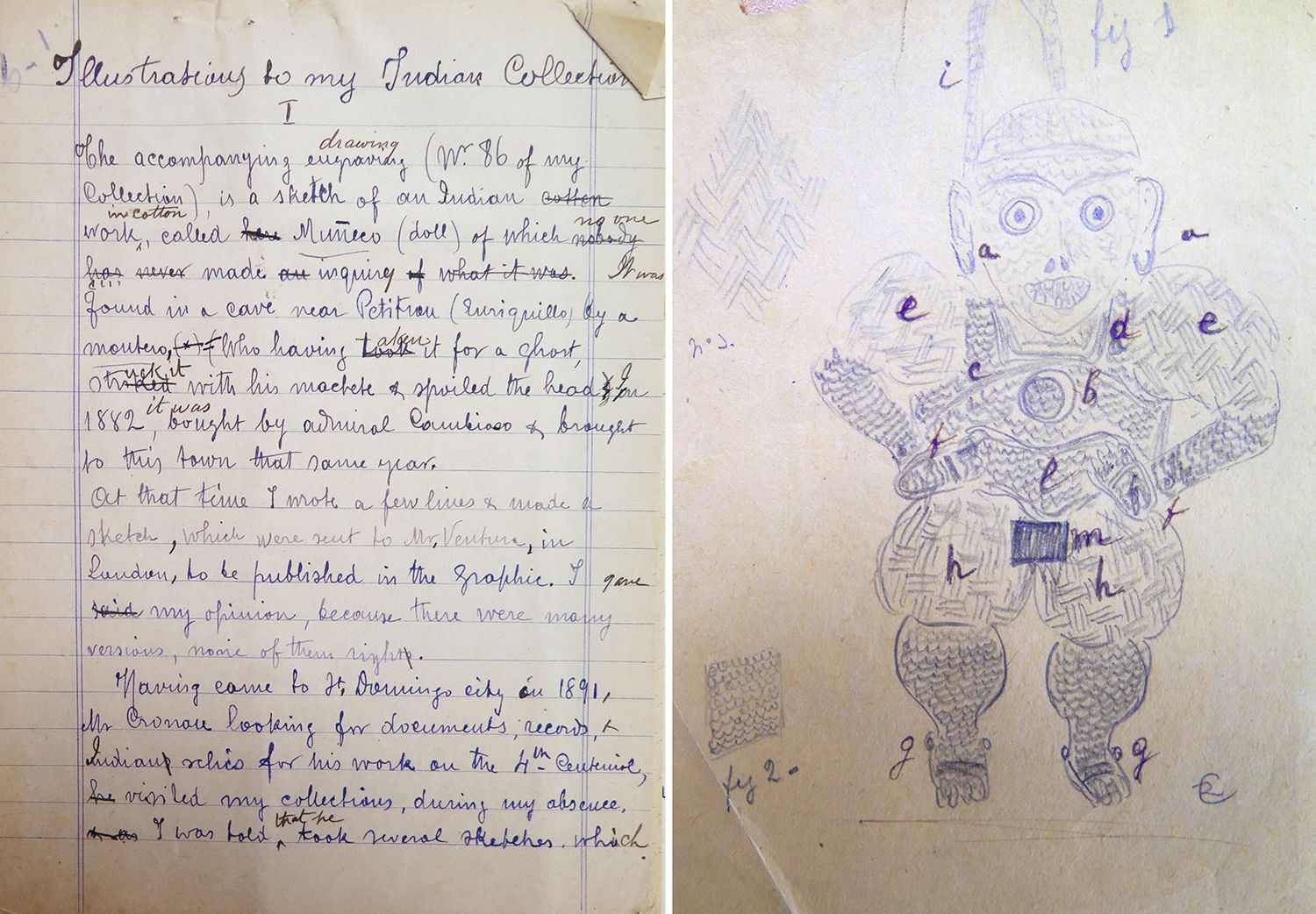
Illustrations of my Indian Collections, by Rodolfo D. Cambiaso dated 1906. Cambiaso writes that the “sketch was made hastily, but is a faithful likeness” (photo by Joanna Ostapkowicz; NAA, Smithsonian Institution, Herbert W. Krieger papers, Box 19, “Mss” folder). Latin American Antiquity 113 https://doi.org/10.1017/laq.2022.106
Illustrations of my Indian Collections, by Rodolfo D. Cambiaso dated 1906. Cambiaso writes that the “sketch was made hastily, but is a faithful likeness” (photo by Joanna Ostapkowicz; NAA, Smithsonian Institution, Herbert W. Krieger papers, Box 19, “Mss” folder). Latin American Antiquity 113 https://doi.org/10.1017/laq.2022.106

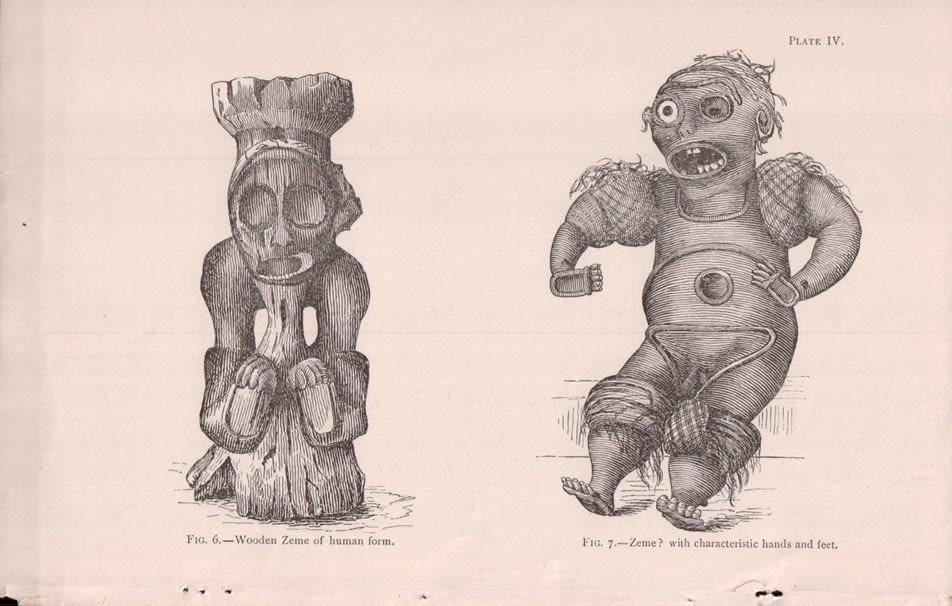
The two cemís illustrated in Fewkes, Jesse Walter. 1891. "On Zemes from Santo Domingo". American Anthropologist 4:167–176
The two cemís illustrated in Fewkes, Jesse Walter. 1891. "On Zemes from Santo Domingo". American Anthropologist 4:167–176

The two cemís illustrated in Fewkes, Jesse Walter. 1891. "On Zemes from Santo Domingo". American Anthropologist 4:167–176
The two cemís illustrated in Fewkes, Jesse Walter. 1891. "On Zemes from Santo Domingo". American Anthropologist 4:167–176

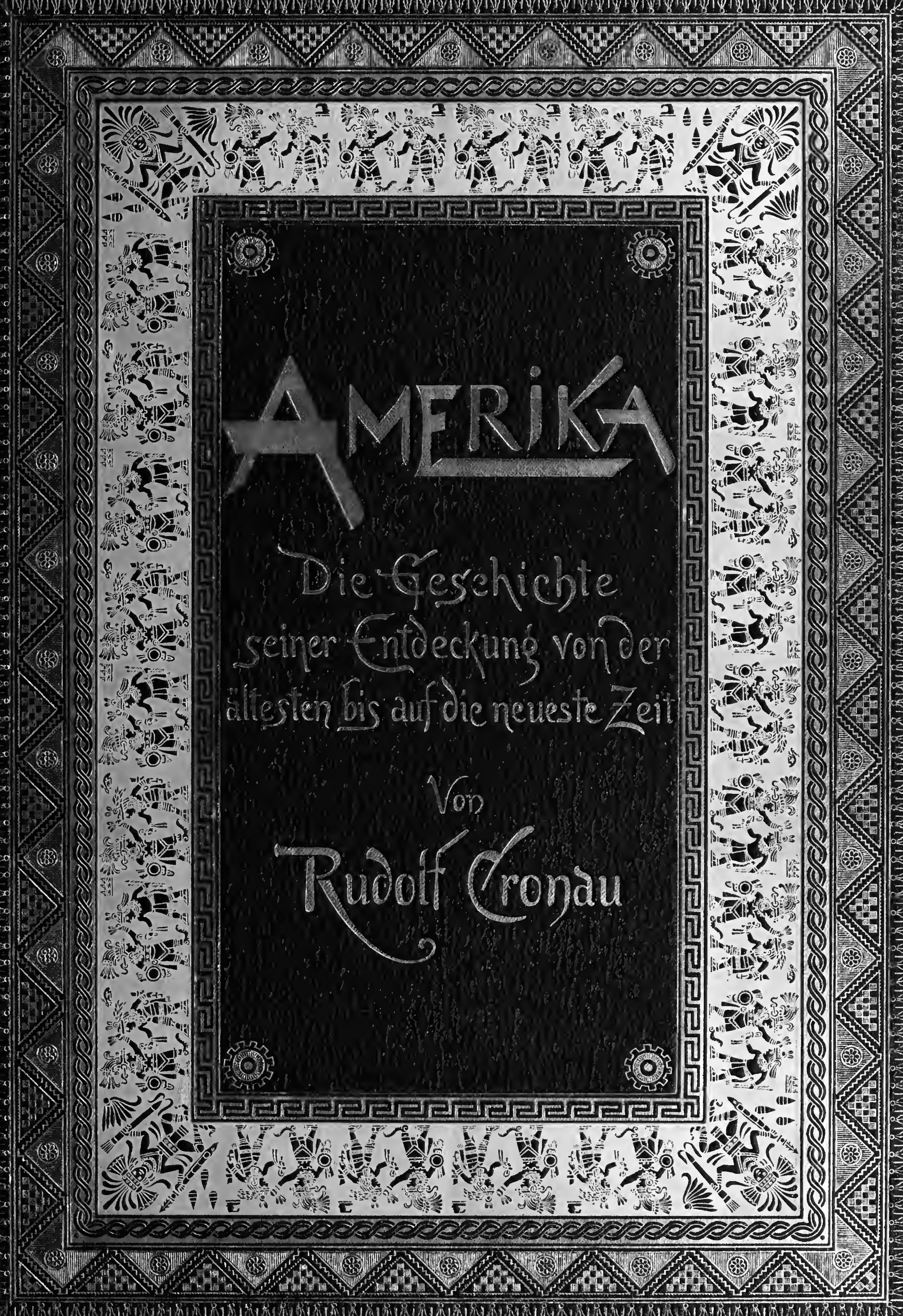
Cover of the volume “Amerika. Die Geschichte seiner Entdeckung in zwei Bänden” by Rudolf Cronau, 1892.
Cover of the volume “Amerika. Die Geschichte seiner Entdeckung in zwei Bänden” by Rudolf Cronau, 1892.

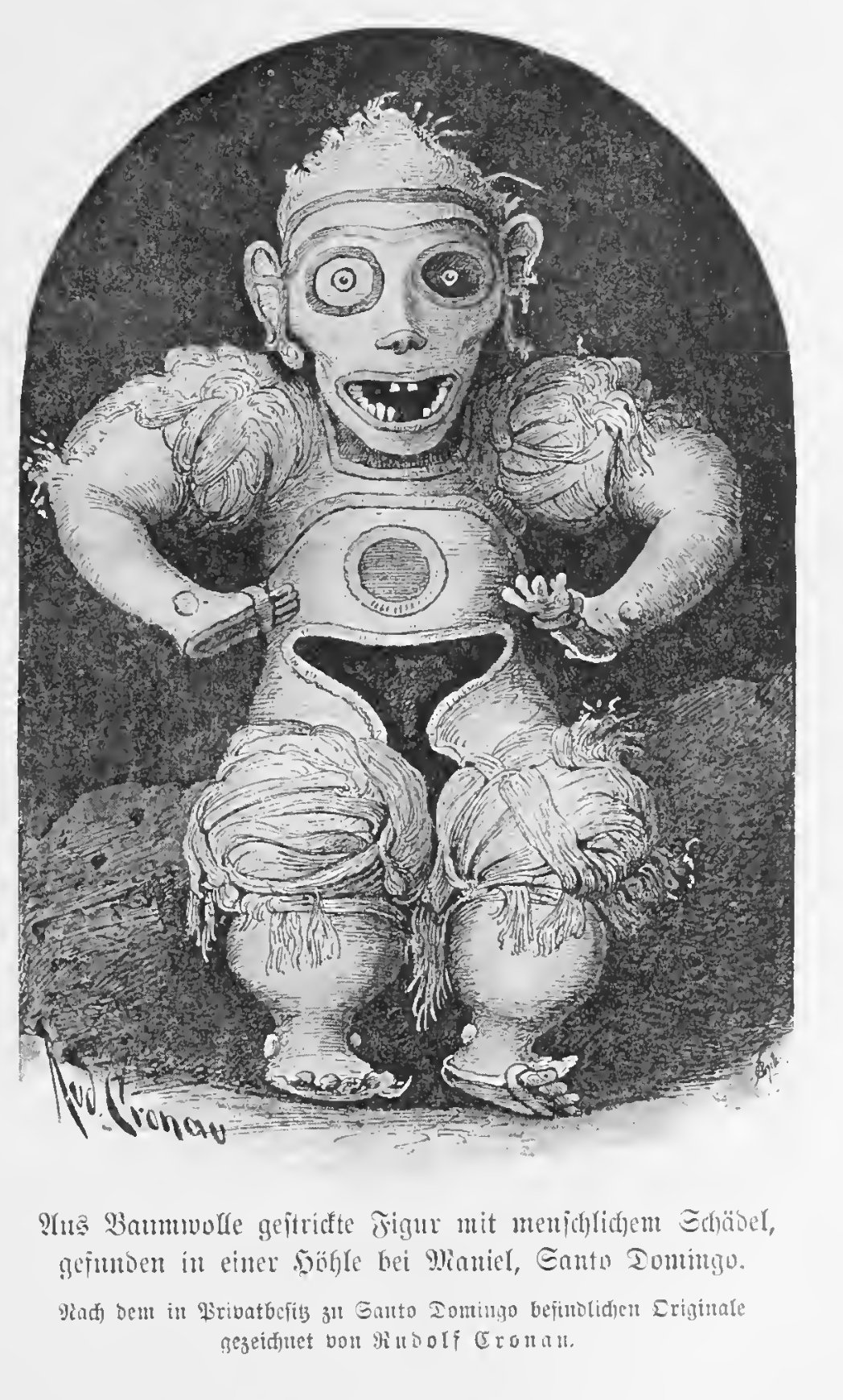
Drawing of the Taíno cotton cemí published in the volume Amerika. Die Geschichte seiner Entdeckung in zwei Bänden” by Rudolf Cronau, 1892.
Drawing of the Taíno cotton cemí published in the volume Amerika. Die Geschichte seiner Entdeckung in zwei Bänden” by Rudolf Cronau, 1892.
The first international researcher to see the cemí was the painter and journalist Rudolf Cronau, who spent time in Santo Domingo between 1890 and 1891 gathering information on Columbus and his discoveries.
He had the opportunity to visit the Cambiaso family collection and produced a realistic drawing of the cemí, which featured in his publication Amerika (1892).
Also in 1891, a Bostonian ship captain, Nathan Appleton, handed over a sketch of the cemí - drawn by the artist Abelardo Rodríguez Urdaneta - to the American zoologist and anthropologist Jesse Walter Fewkes.
Fewkes included an illustration inspired by that sketch, along with a brief discussion, in his 1891 article "On Zemes from Santo Domingo."
In 1902, Fewkes recounted visiting the Cambiaso collection in Santo Domingo with the intent of documenting the cotton cemí, but learned that it had been sent to Italy by its owner.
The increasing interest in Taíno culture, and the cemí, coincided with the build up to the quadricentennial of Columbus' first voyage to the Americas.
Preparations in Genoa included several exhibitions of Indigenous American artifacts.
The cemí might have been sent to Italy for that occasion, although this remains only a hypothesis.
.04
The cemí from Genoa to MAET
In December 1927, archaeologist Ernesto Schiapparelli, director of the Royal Museum of Antiquities in Turin, announced to the Italian Minister of Public Education that two ancient objects representing "idols of the Indian populations of the island of Santo Domingo" had been donated by Cesare Buscaglia, a Genoese lawyer.
These were the cotton cemí and wooden cemí; the two appear to have a long association, first documented in an article of 1891 (of the American zoologist and anthropologist Fewkes).
In 1936, the two cemís were exhibited for the first time in Turin at Palazzo Carignano as part of the collections of the Museum of Anthropology and Ethnology, where they remain to this day.

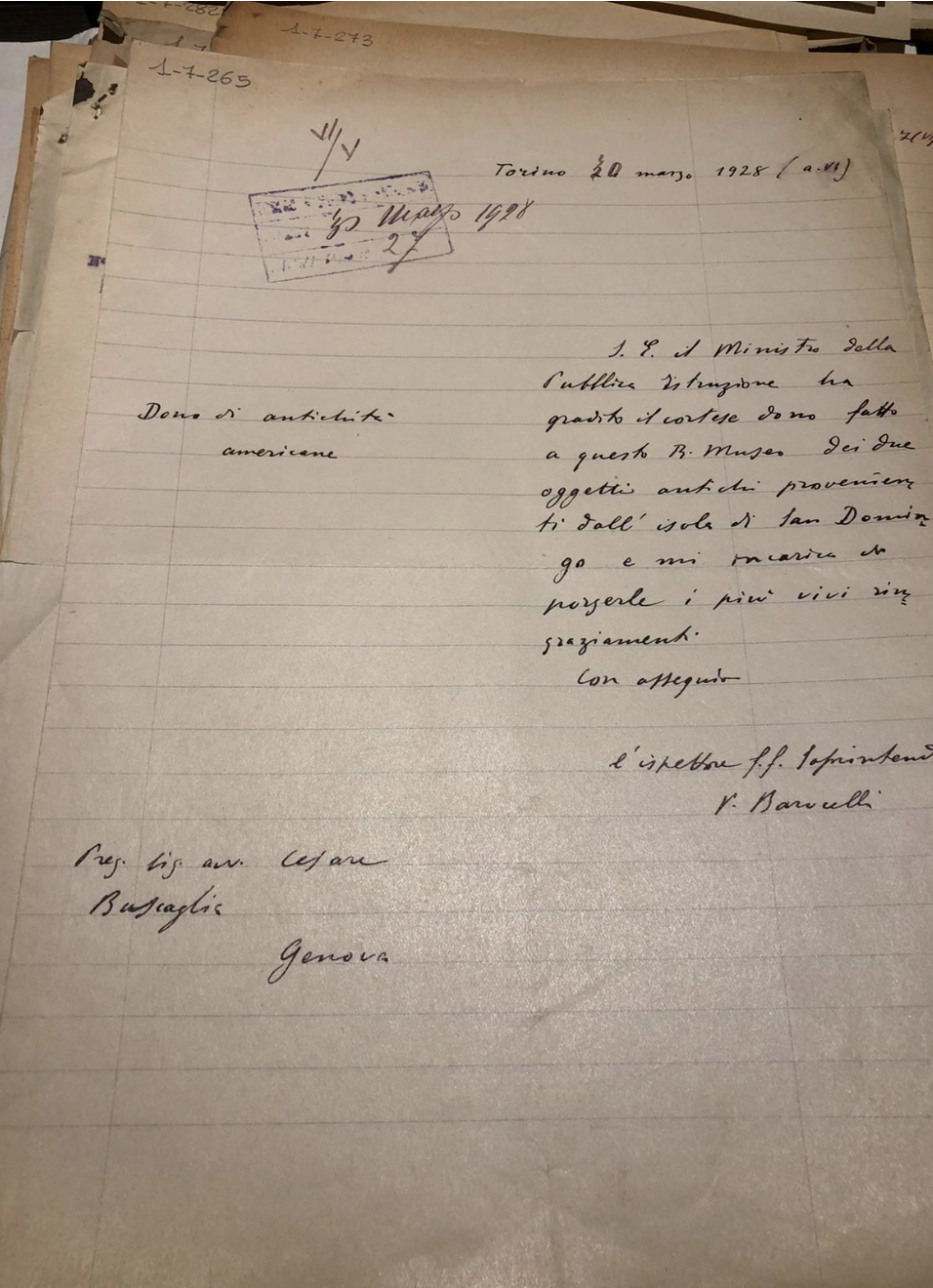
Comunication of the donation of the two Taíno cemís to the Royal Museum of Antiquities of Turin by Lawyer Cesare Buscaglia, 1928. © Historical Archive SABAP – Turin.
Comunication of the donation of the two Taíno cemís to the Royal Museum of Antiquities of Turin by Lawyer Cesare Buscaglia, 1928. © Historical Archive SABAP – Turin.
The donation of the cemís to the Royal Museum of Turin came from a lawyer in Genoa, the city where the cemis had first arrived from Santo Domingo.
Both cemís then became part of the collections of the Museum of Anthropology and Ethnography of the University.

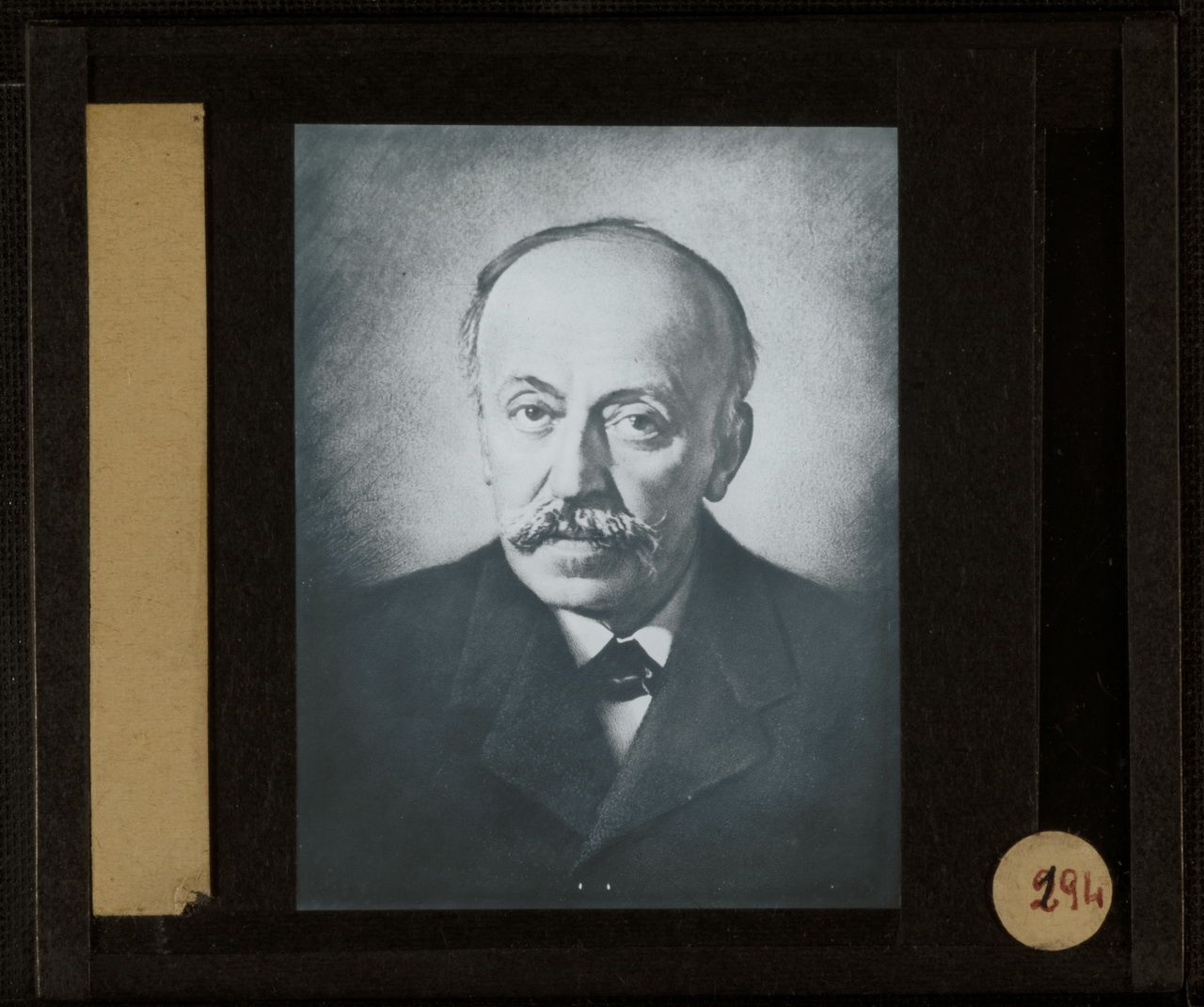
In 1970, Dominican historian Bernardo Vega traced the cemíes via various archival and diplomatic routes, eventually finding it in Turin. Since then, the cotton cemí has been the subject of numerous studies and analyses, culminating in recent research conducted using state-of-the-art technologies, which also enabled this digital reproduction, and spurred new interdisciplinary and collaborative perspectives between Italy and the Dominican Republic.
.05
The digital twin of cemí
Today, an interactive totem hosts a high-definition virtual replica of the cotton cemí, including both its external and internal components.
The model integrates data acquired during two separate investigation campaigns conducted at different times.
In 2022, an E-RIHS MOLAB project was launched by a team from the University of Turin affiliated with MAET - Museum of Anthropology and Ethnography, in collaboration with three departments of the Italian National Research Council (CNR).
The team produced a photogrammetric model of the exterior and conducted internal investigations using various non-invasive techniques to generate accurate 3D models faithful to the original in both form and visual quality.

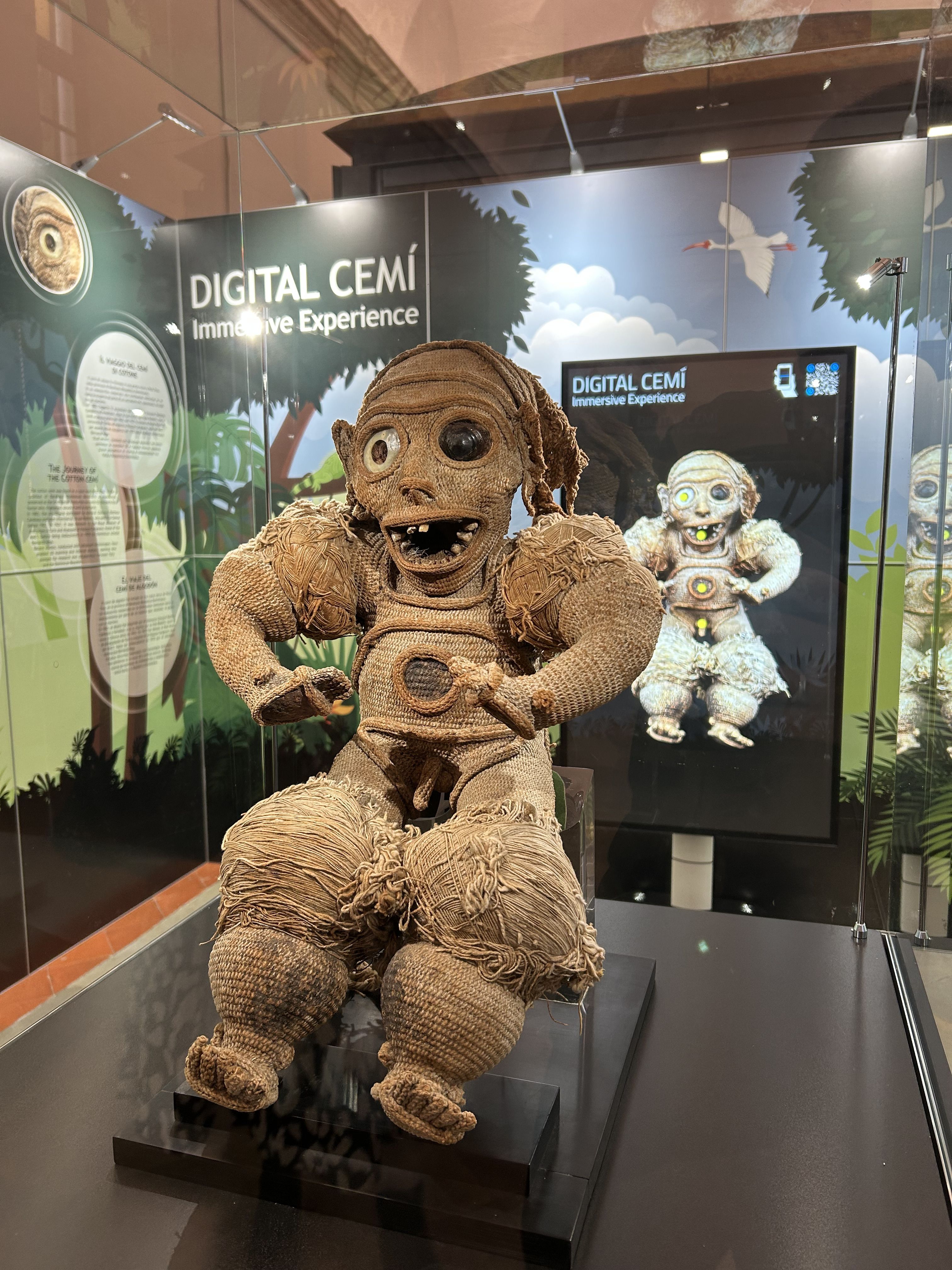
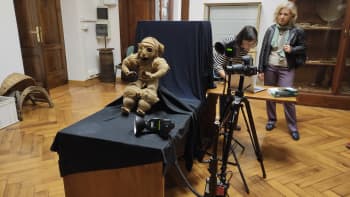
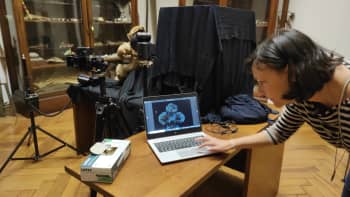

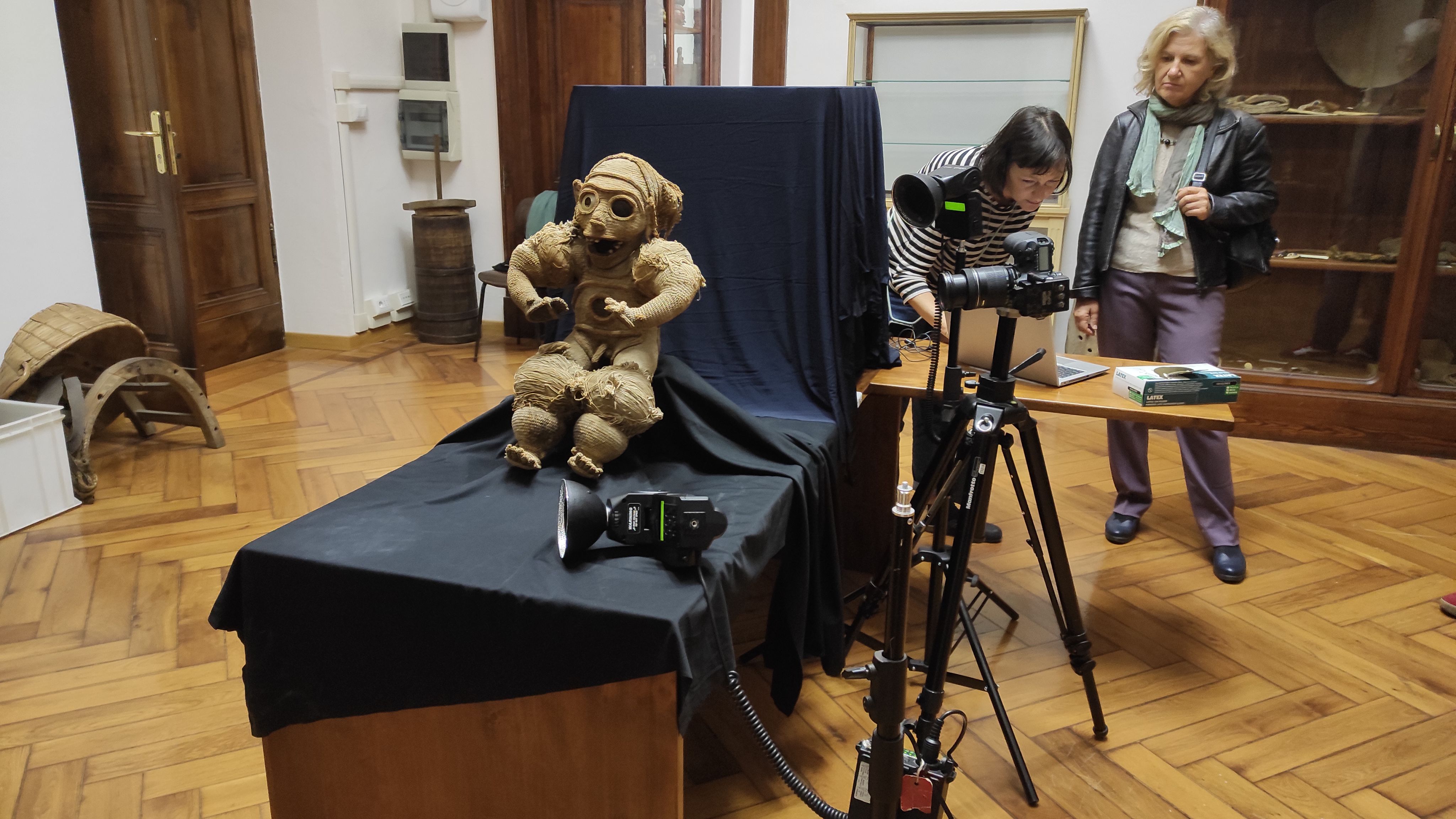
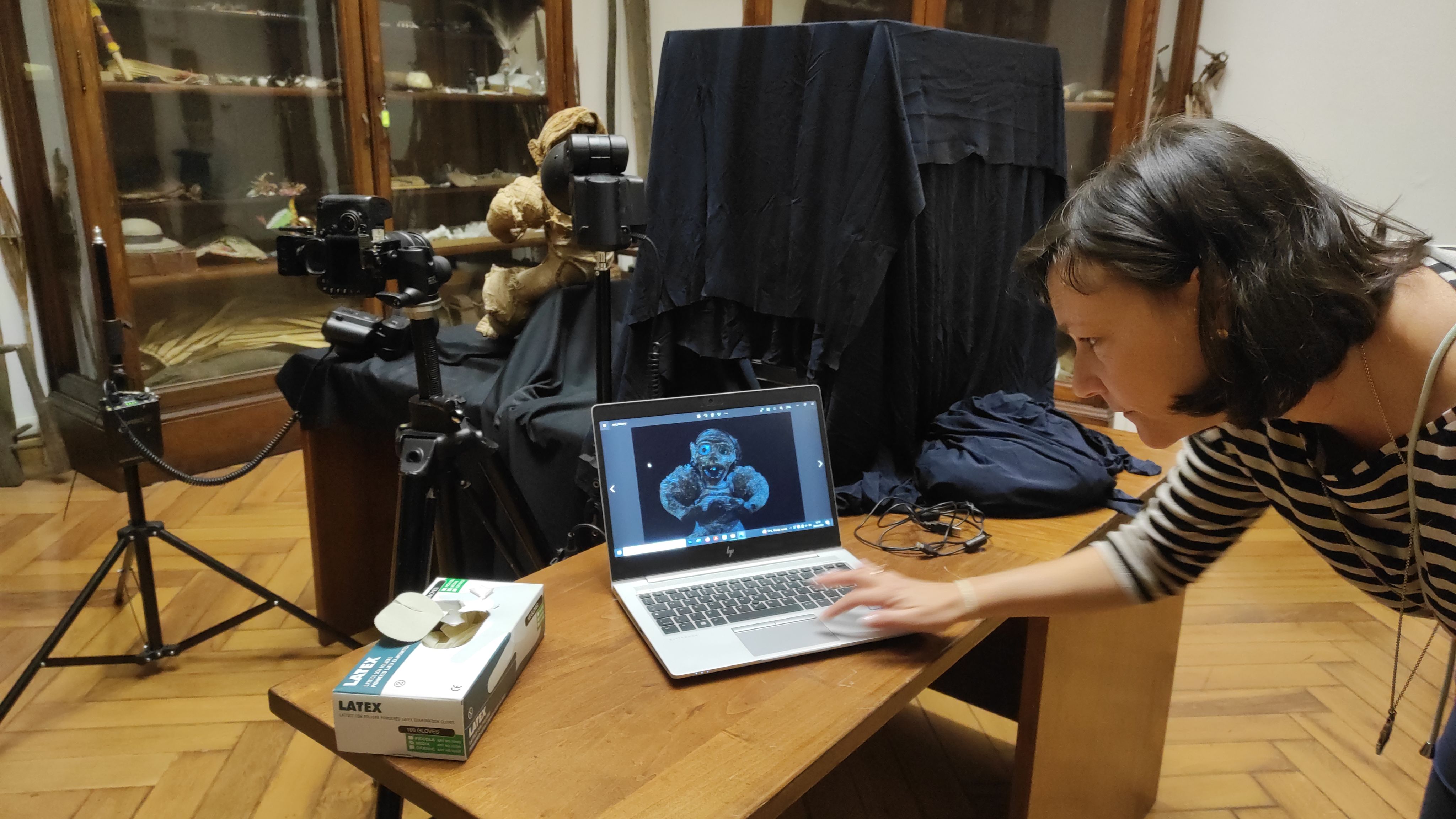
In 2024, the TAZEBAO project began, carried out by the University of Turin in collaboration with No Real Interactive srl in the framework of the NRRP Project CHANGES – Spoke 4 “Virtual Technologies for Museums and Art collection (funded by European Union– NextGenerationEU).
The goal was to create a "digital twin" of the cotton cemí, accessible to the public via kiosk stations, PCs, tablets, smartphones (via web browser), and VR headsets.
The resulting digital twin provides the public with an informative, immersive, and engaging phygital experience to explore the story and structure of the cotton cemí.

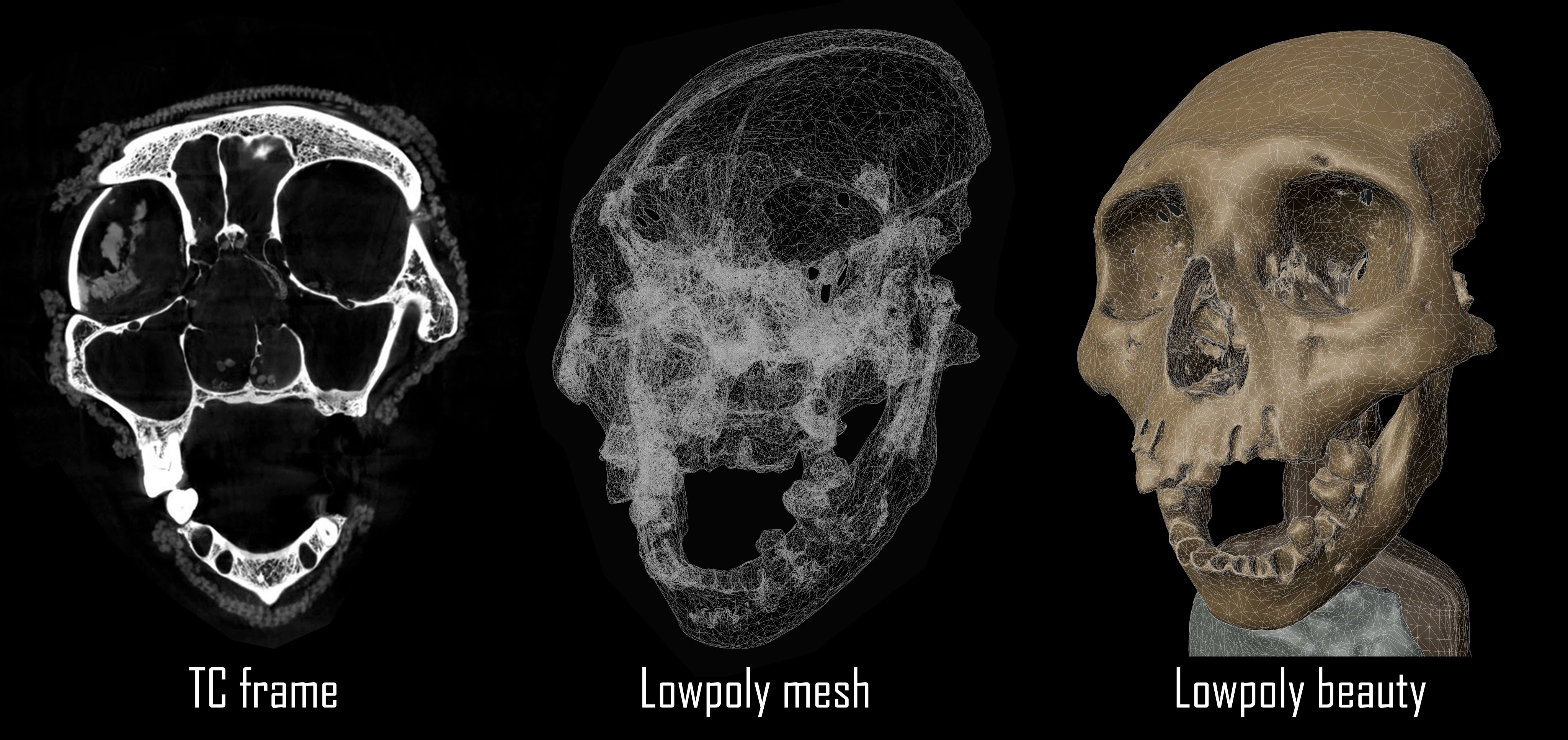

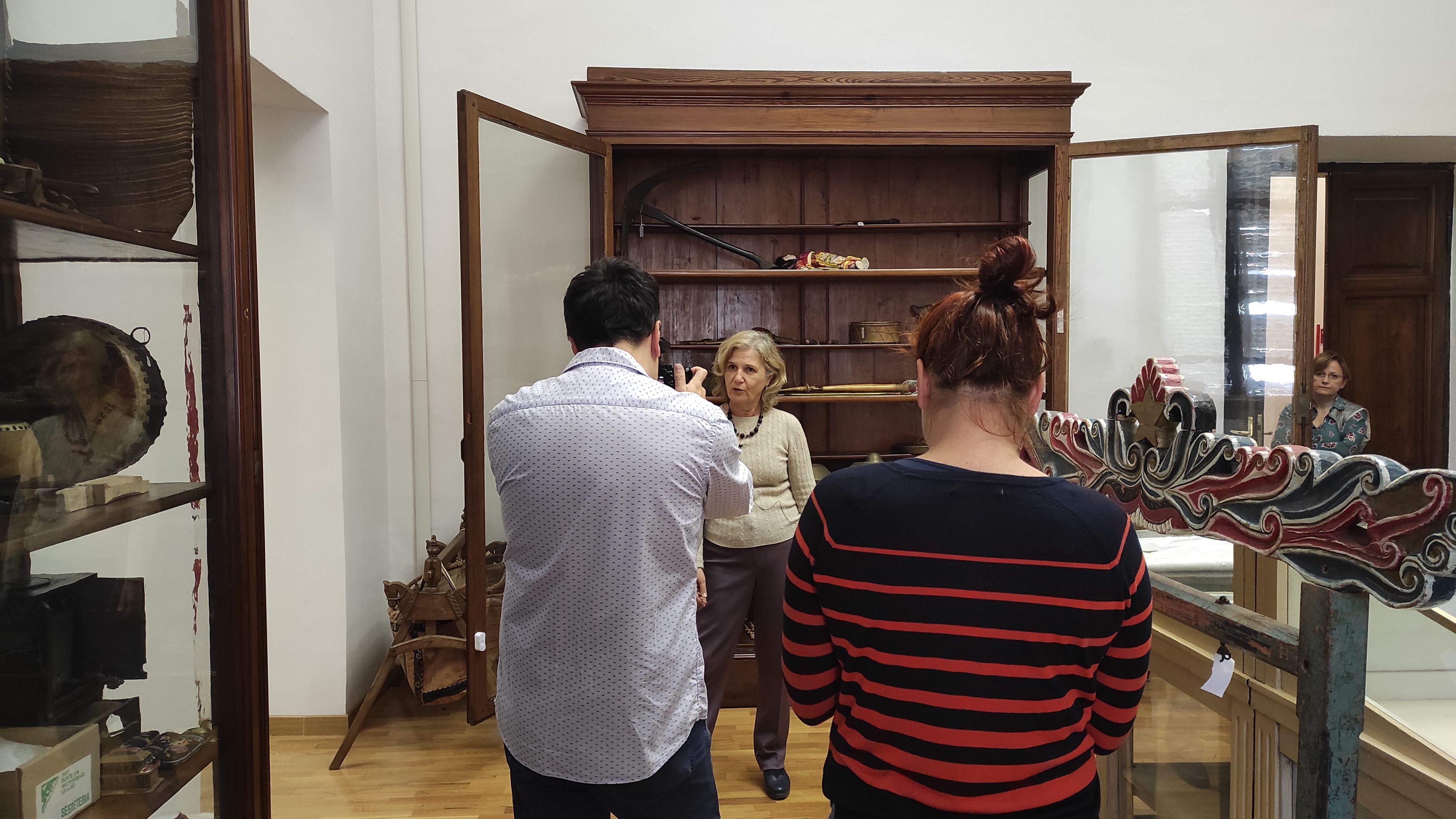



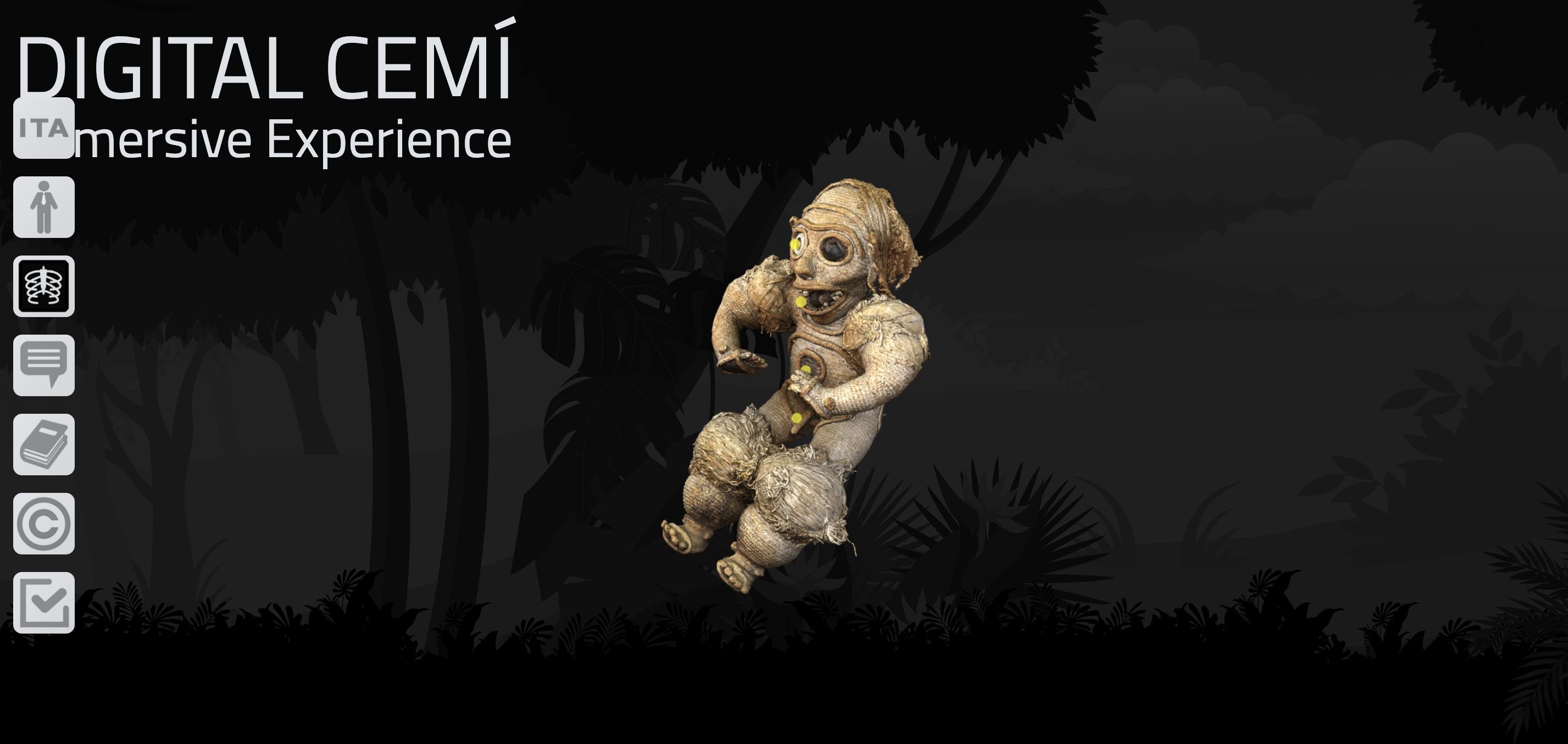

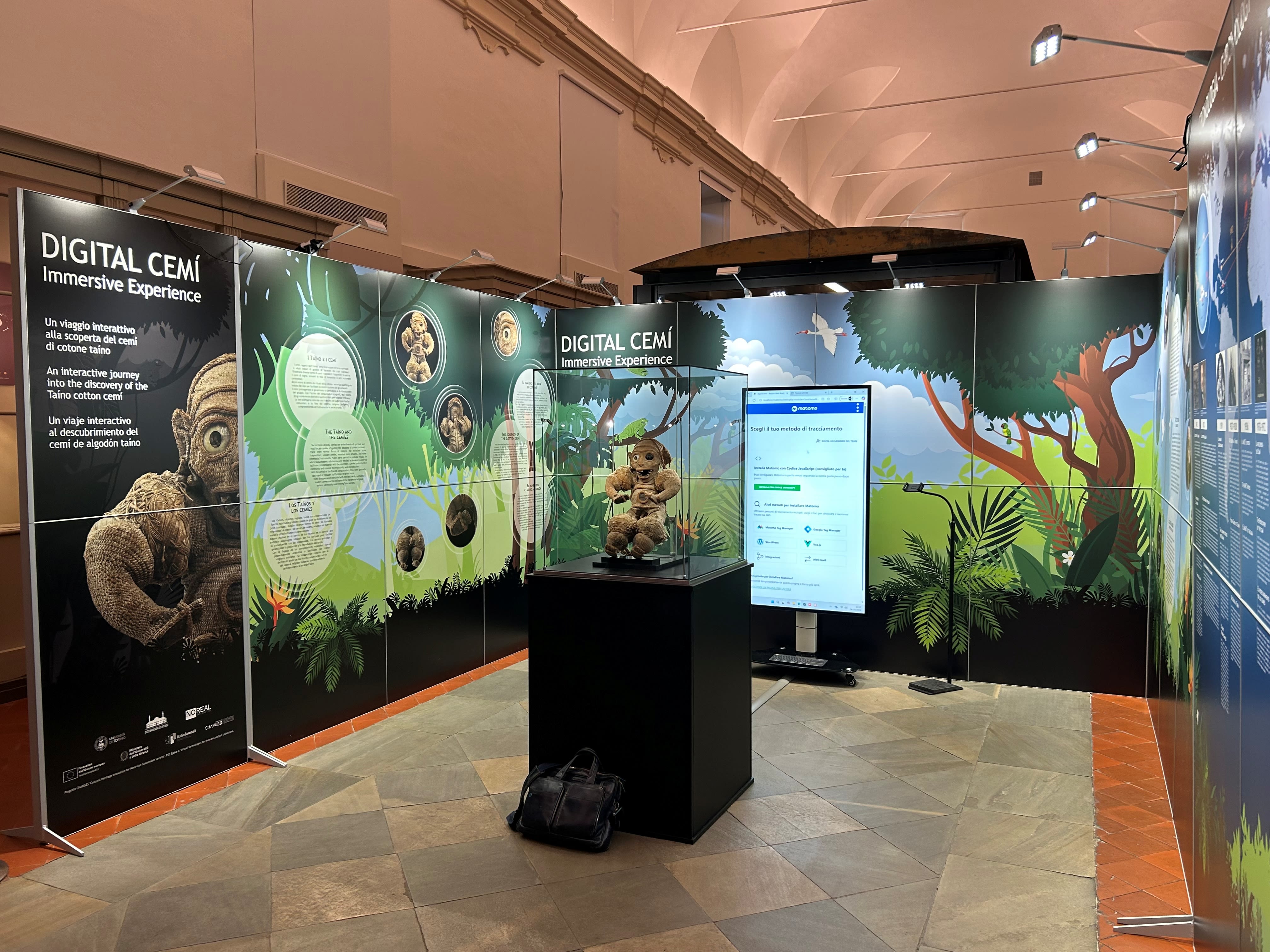
The project included several workstreams:
3D Modelling & Rendering: development of a real-time, web-based 3D model of the exterior, including polygon optimization, retopology, and re-meshing; texture work (multi-LOD atlas with generative AI upscaling); and implementation of web-based shaders (using ATON / three.js)
Scientific and Narrative Content: creation of scientific texts, narratives, images, and video materials
Immersive VR Experience: design and implementation of an immersive virtual reality experience narrating the discovery of the cotton cemí, its journey to Europe, and subsequent exhibitions and scientific investigations
Inclusive user experience: design and development of an inclusive interface and interaction modes to ensure ease of access for both general and specialized audiences
Phygital Exhibit Design: development of a portable and easily reconfigurable phygital scenography to accompany the physical display of the cotton cemí

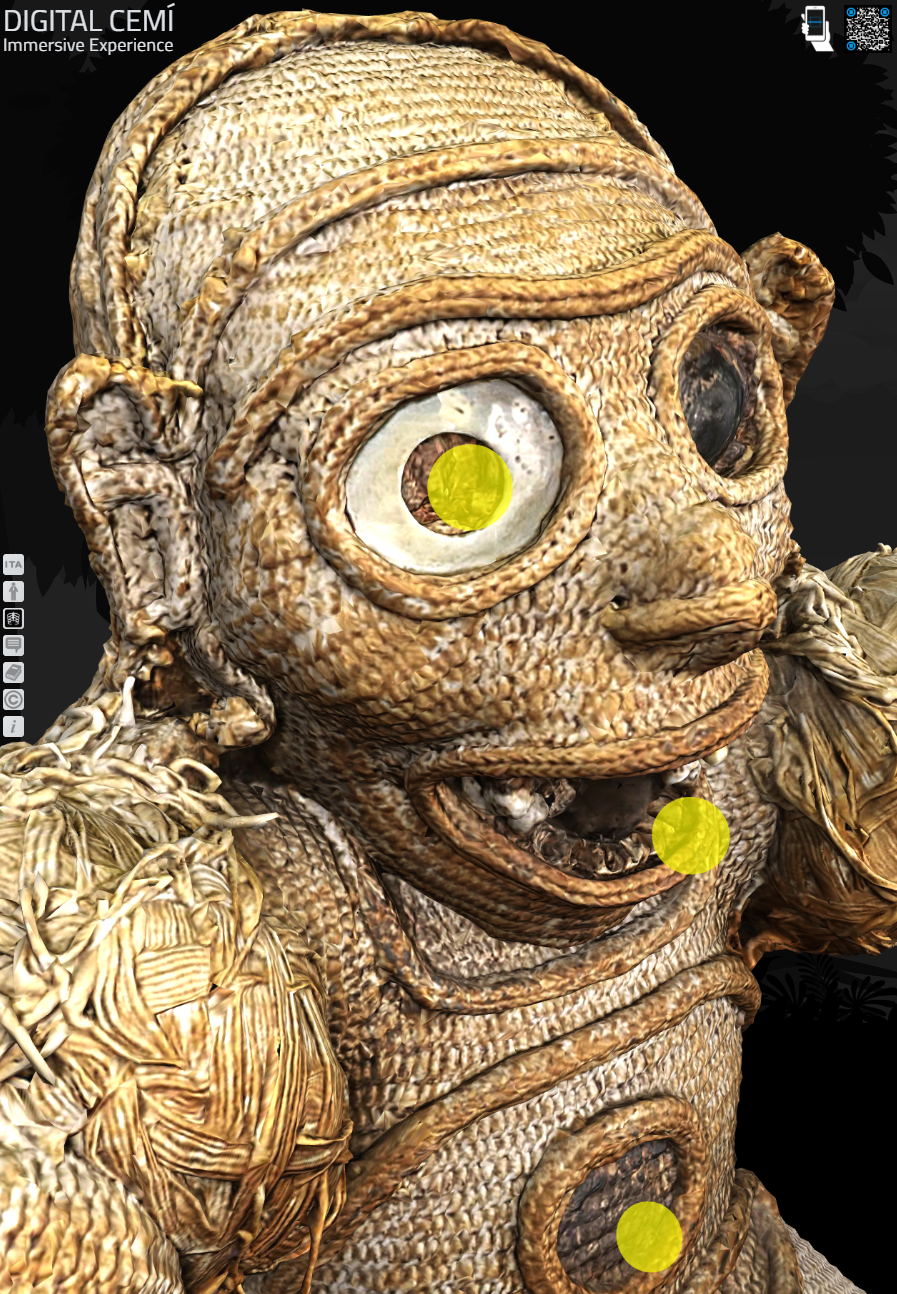
Cotton cemí digital twin: main interface with a zoom on the external layer. https://digitalcemi.unito.it/
Cotton cemí digital twin: main interface with a zoom on the external layer. https://digitalcemi.unito.it/

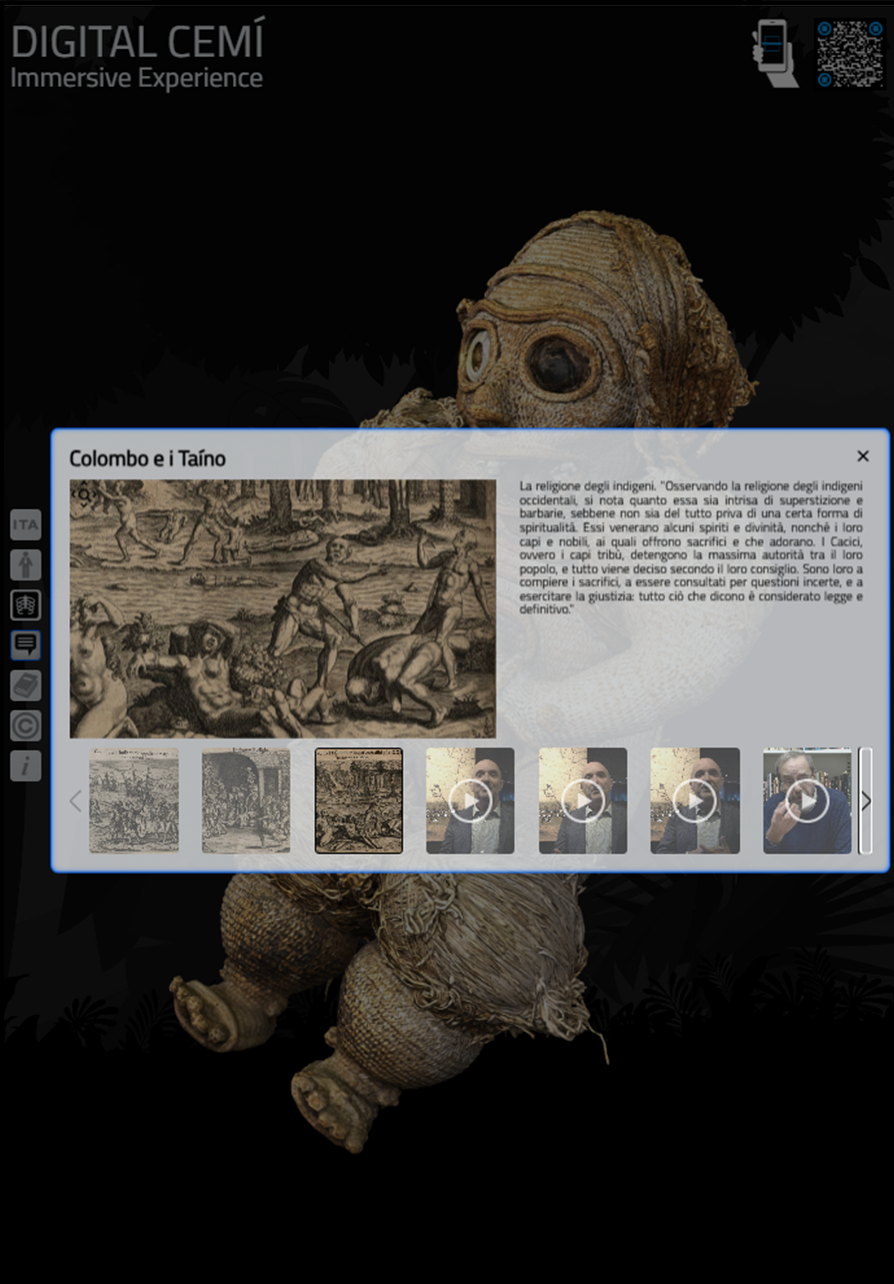
Cotton cemí digital twin: an example of information window with multimedia contents. https://digitalcemi.unito.it/
Cotton cemí digital twin: an example of information window with multimedia contents. https://digitalcemi.unito.it/

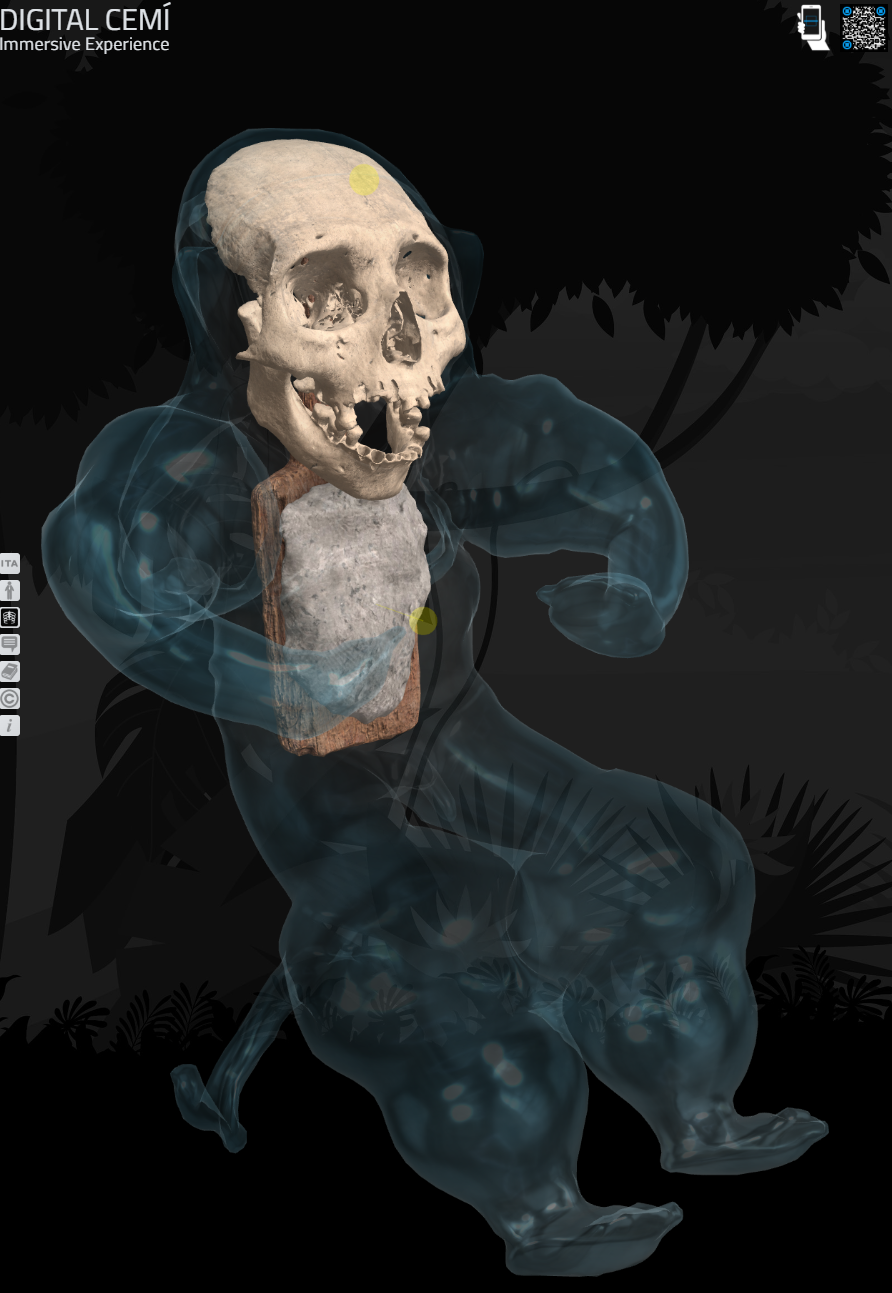
Cotton cemí digital twin: main interface with a general view of the internal layer. https://digitalcemi.unito.it/
Cotton cemí digital twin: main interface with a general view of the internal layer. https://digitalcemi.unito.it/
 Built with Shorthand