
From pre-Hispanic Mesoamerica to Renaissance Italy
The Italian Social Life of Mesoamerican Things
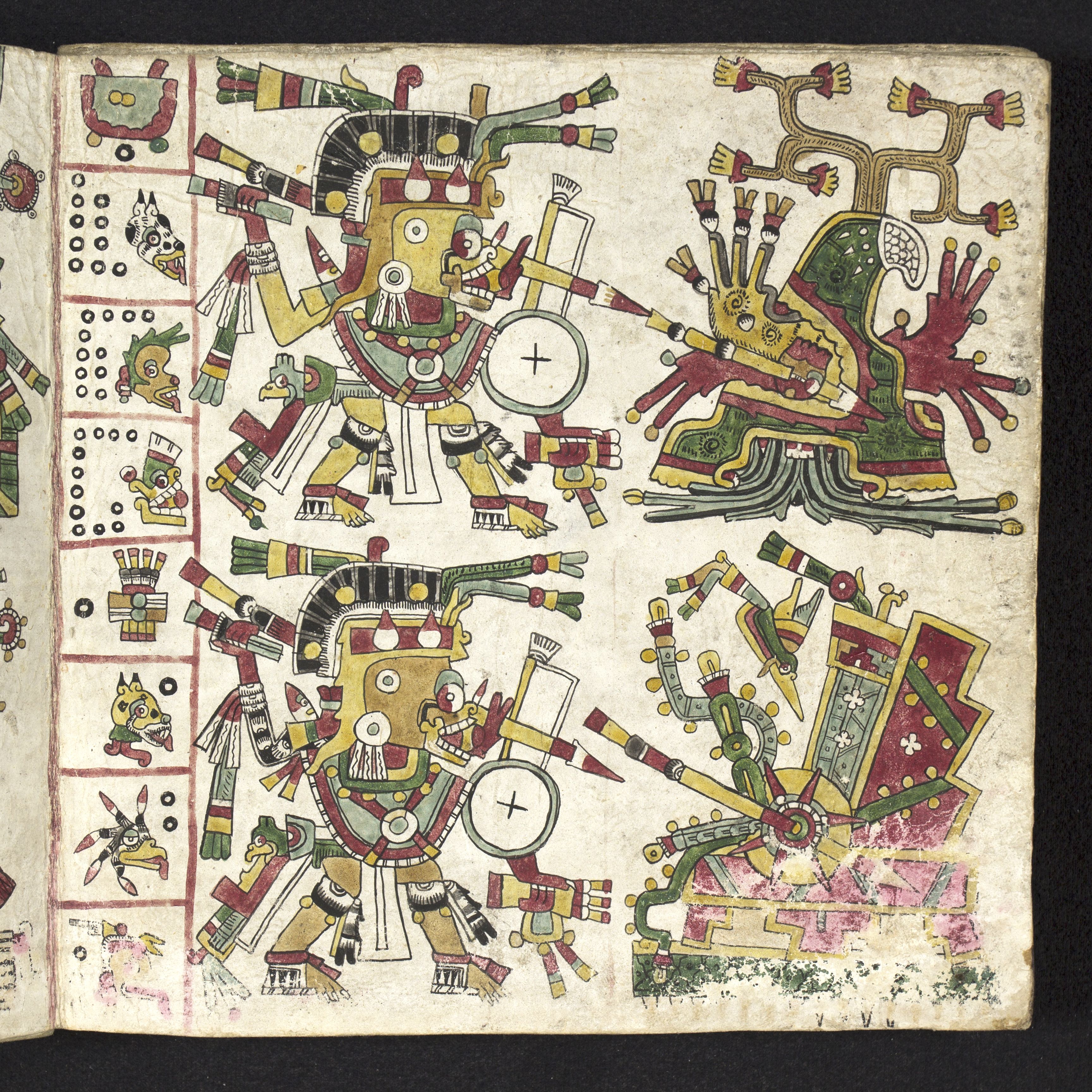

A group of remarkable Mesoamerican artworks — including mosaics, pictorial manuscripts, gilded spear throwers, and stone figurines — is preserved in Italy, housed across several institutions: the Museo delle Civiltà (Rome), the Biblioteca Universitaria di Bologna and the Museo Civico Medievale (Bologna), the Museo di Antropologia di Firenze (Florence), and the Biblioteca Apostolica Vaticana (Vatican City).
These pieces are the remnants of a larger collection brought to the Italian peninsula in the 16th century.
While many pieces were lost or sold abroad over time, the group examined here has remained preserved within Italian institutions.
All these objects were traditionally believed to derive from the shipments that Hernán Cortés sent to Spain in the aftermath of the Conquest of Mexico. However, recent research has shown that they were instead brought to Italy by Dominican missionaries, who presented them to the Pope and other prominent figures in support of their evangelizing efforts.
The reconstruction of their collection history not only sheds light on the Italian reception of Mesoamerican artifacts but also allows to attribute them to the Nahua and Mixtec cultures — resolving a long-standing mystery in Mesoamerican studies.

Through detailed iconographic analysis and the application of cutting-edge, non-invasive scientific methods, this research reveals the complex layers of meaning embodied in these extraordinary objects.
While originally created for ritual use, they also display aesthetic characteristics that enrich our understanding of Mesoamerican artistic traditions.
Today, annotated 3D models offer unprecedented access, allowing scholars and the public alike to explore these masterpieces in exceptional detail.

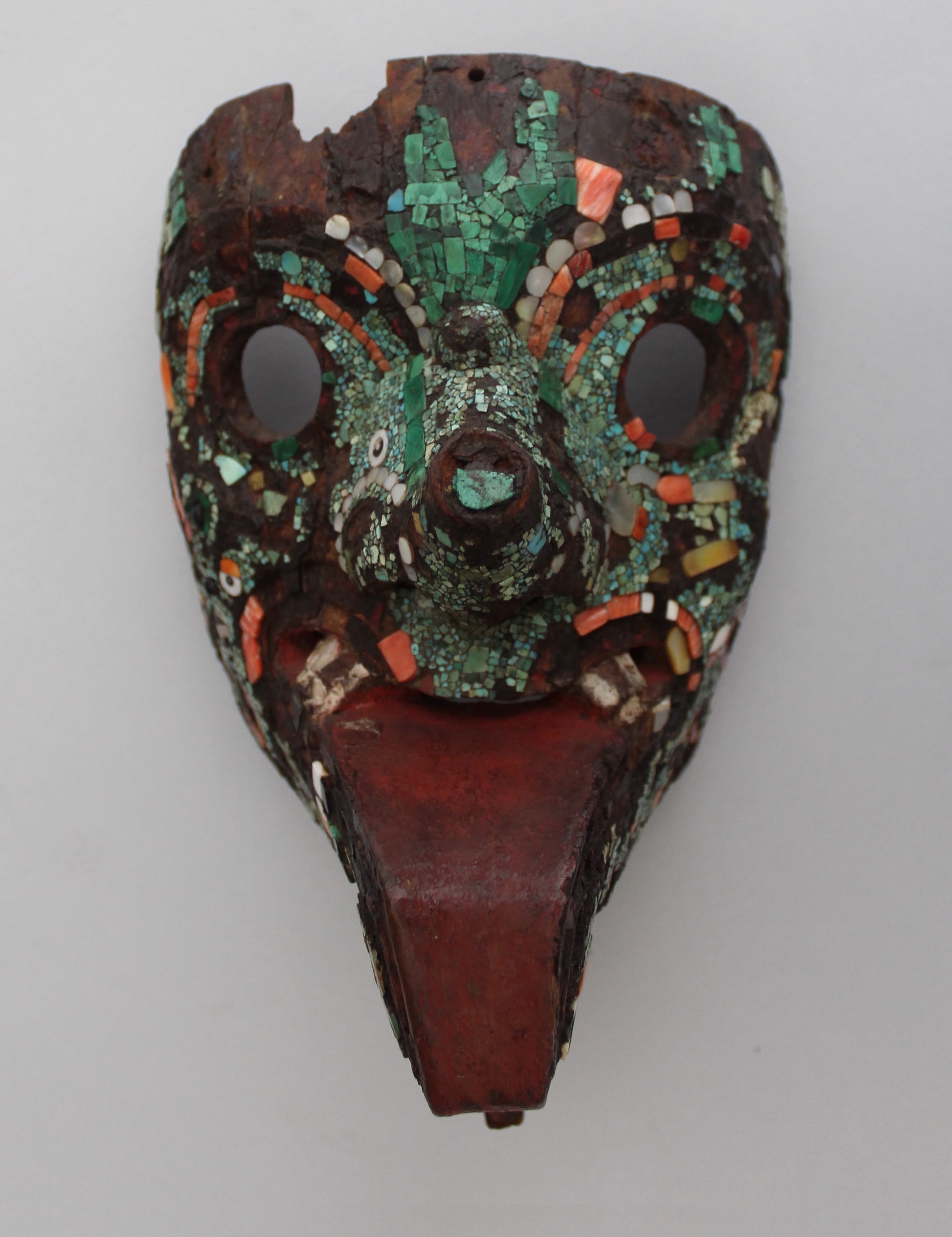


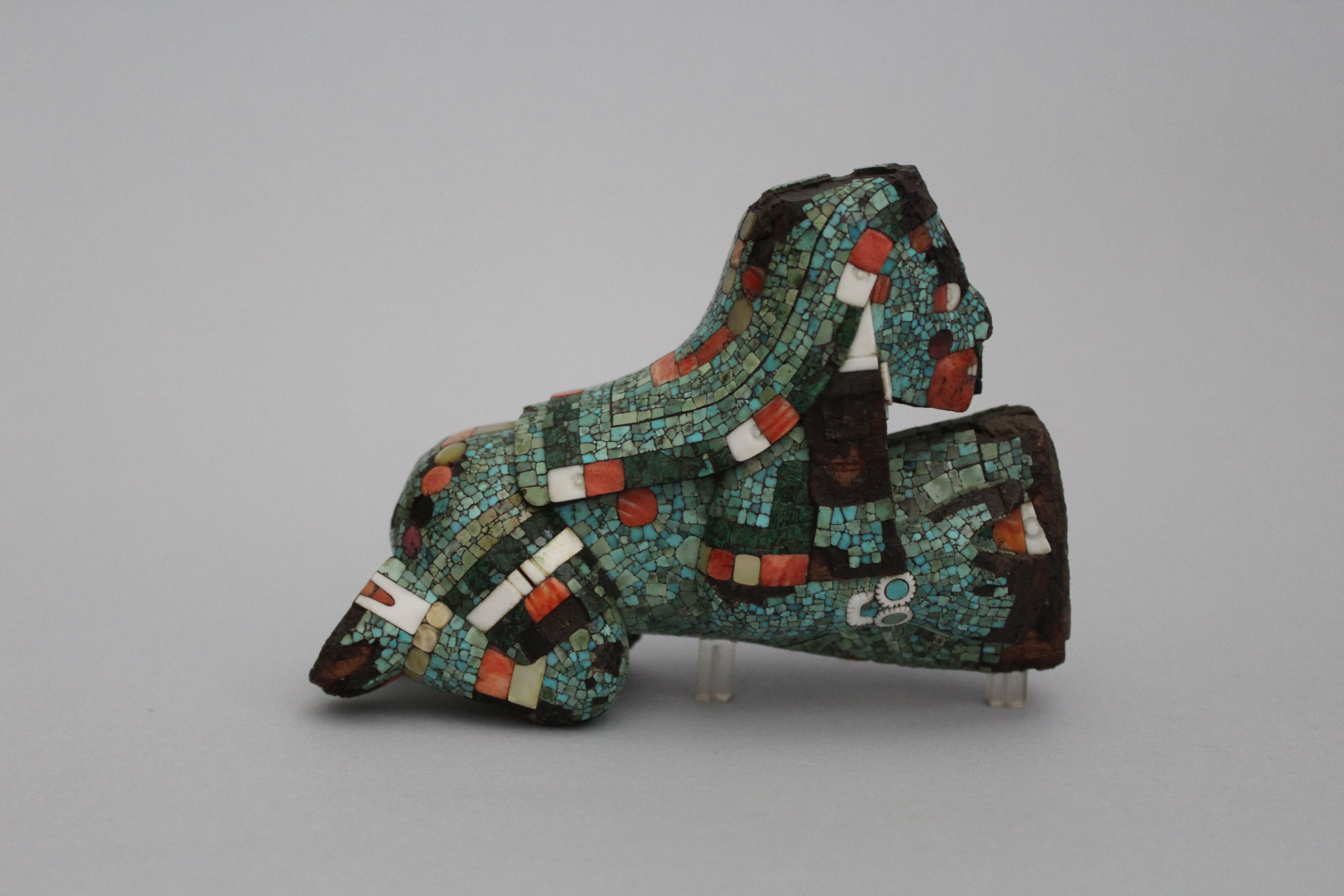

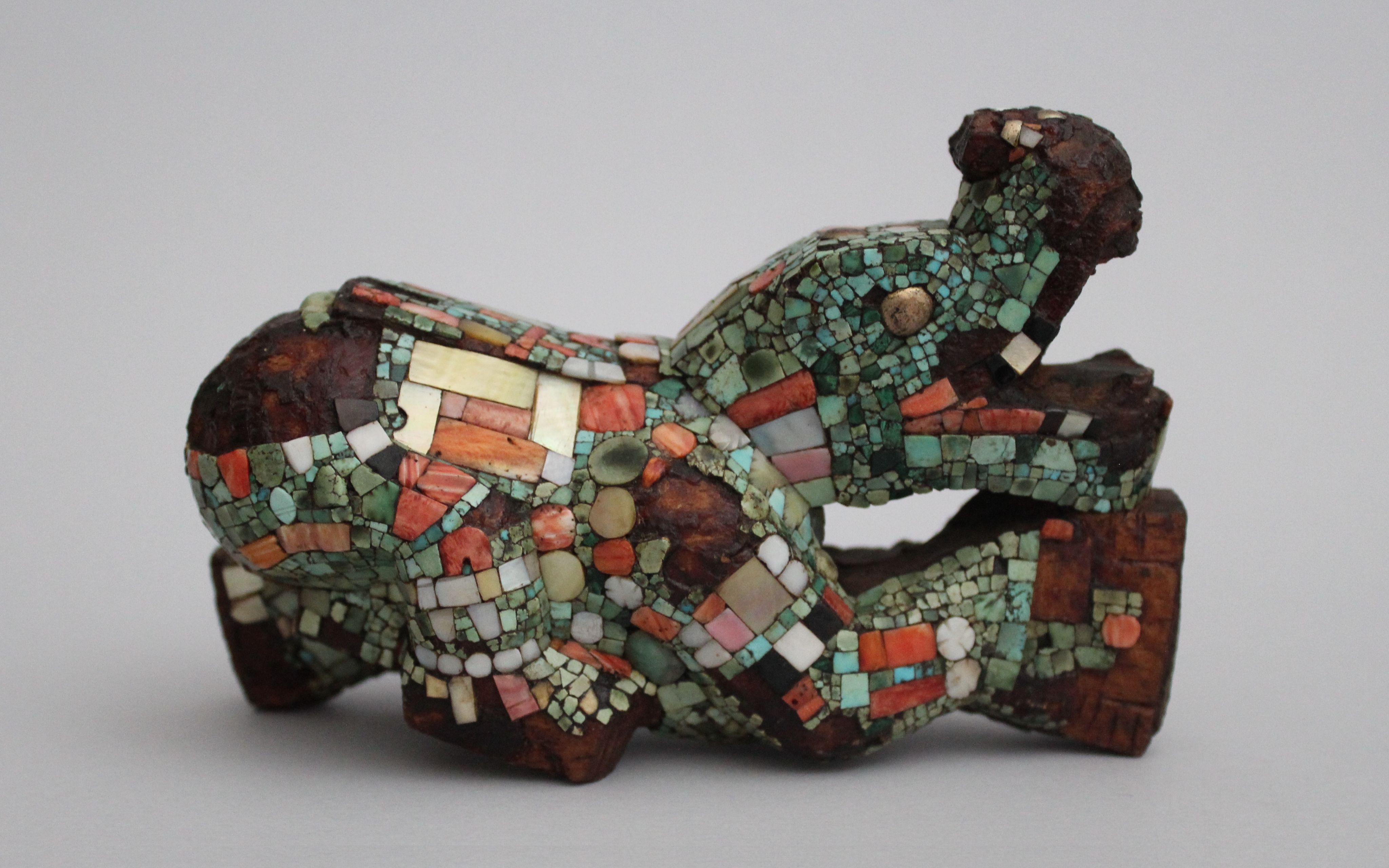




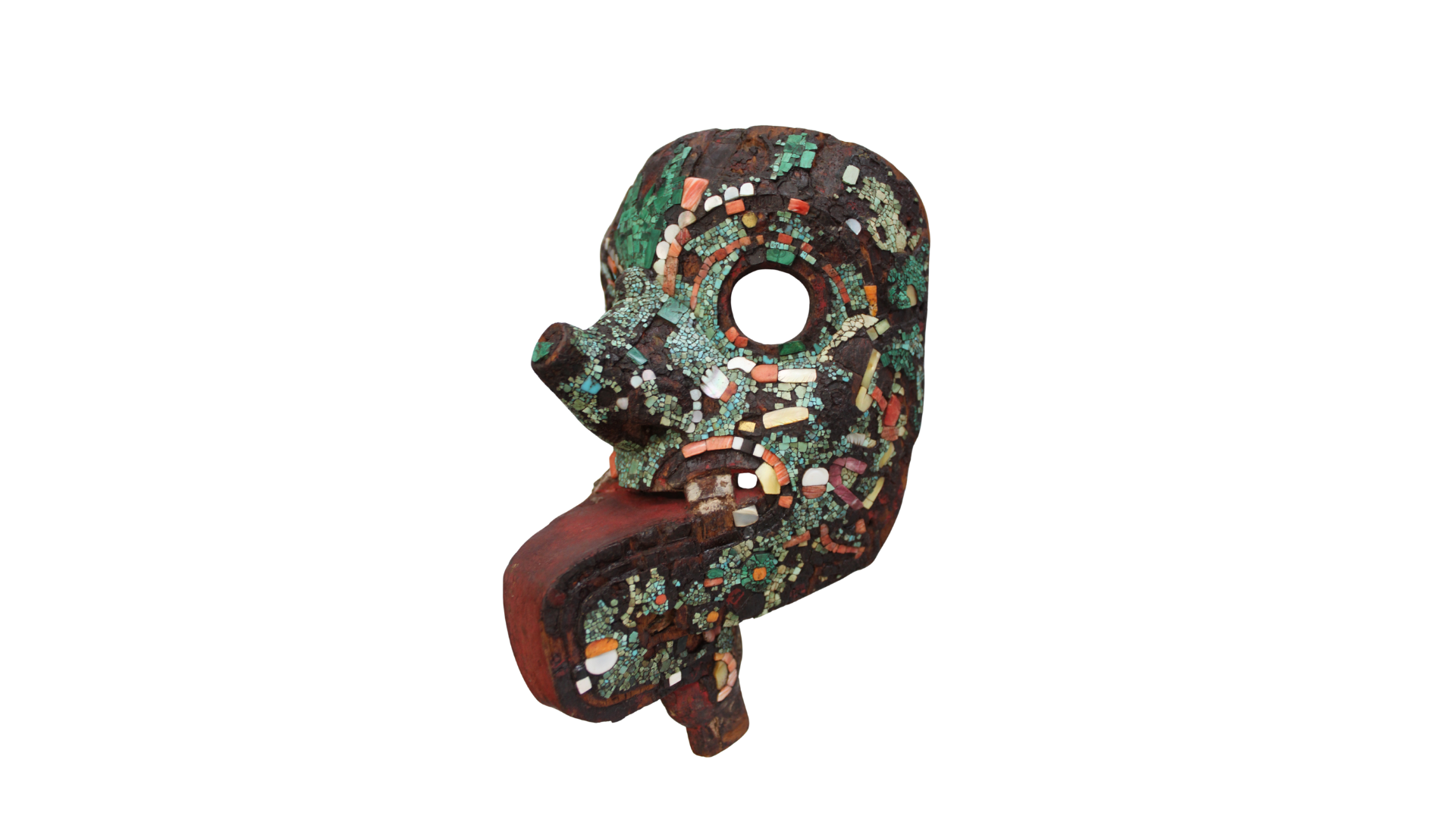
Mosaic mask of the god Yacatecuhtli, patron of the merchants, unknown Nahua artists, early 16th century (MUCIV – Museo delle Civiltà – Rome).
Mosaic mask of the god Yacatecuhtli, patron of the merchants, unknown Nahua artists, early 16th century (MUCIV – Museo delle Civiltà – Rome).

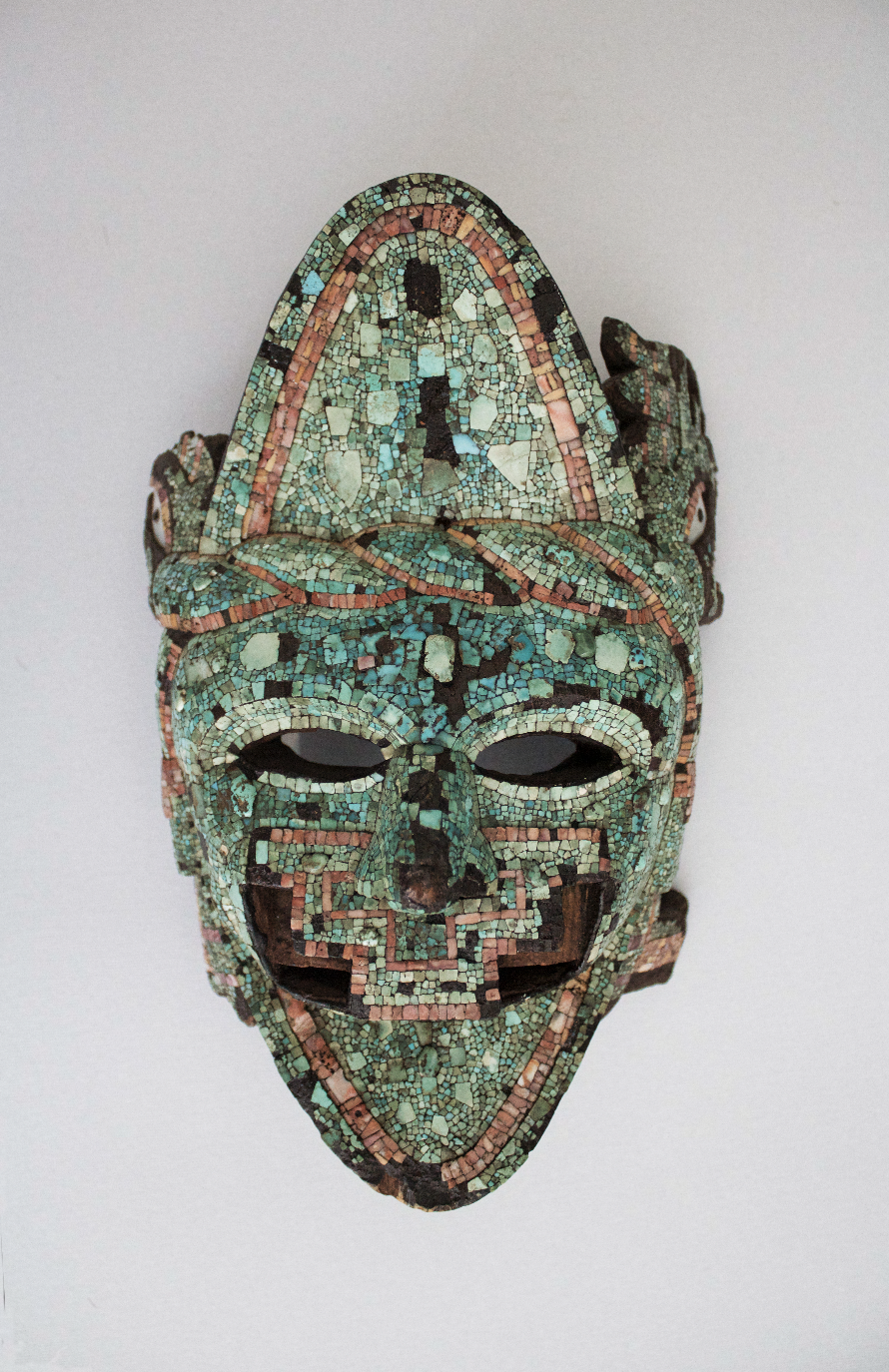
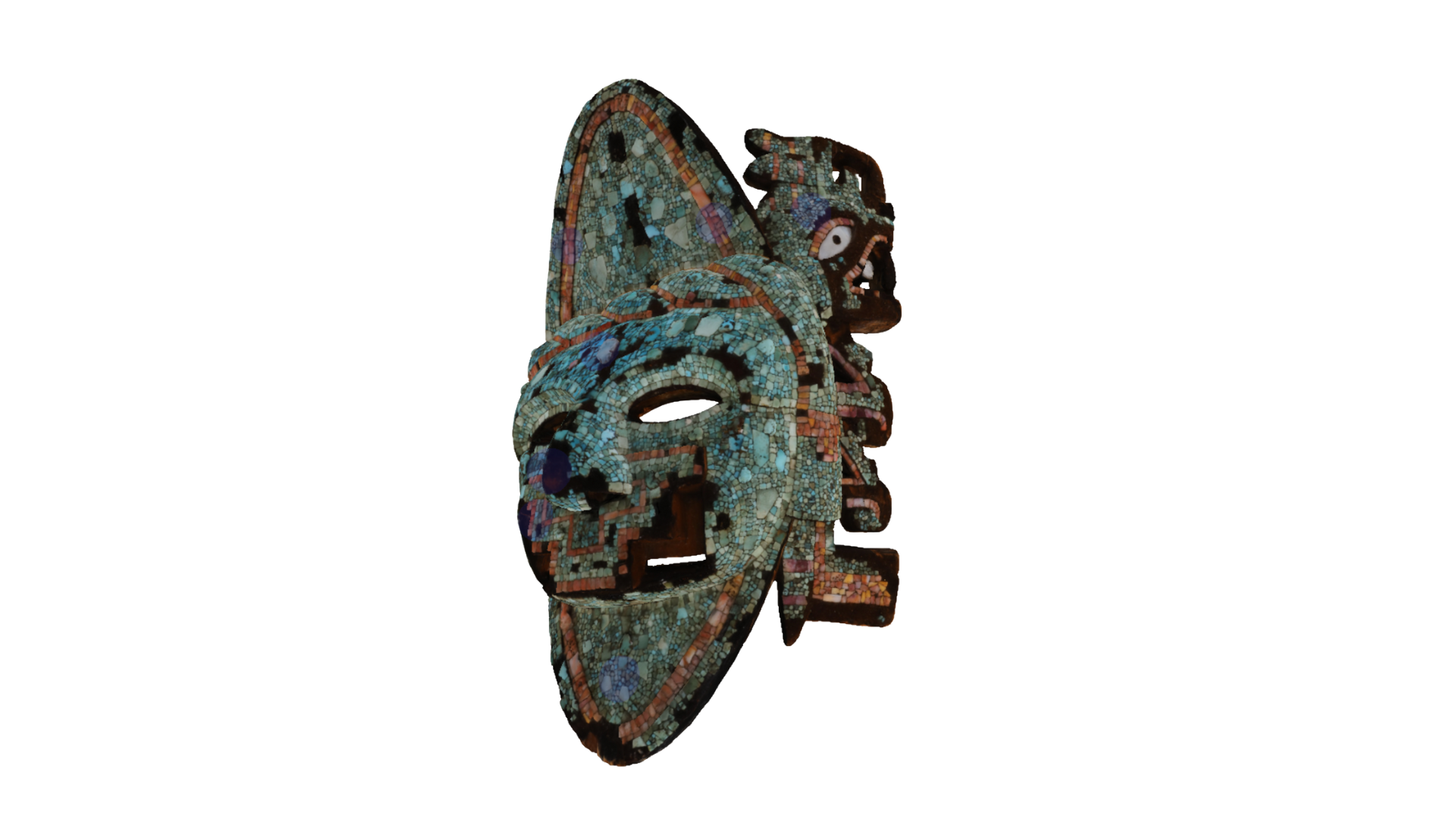
Mosaic mask of the goddess 9 Reed, unknown Mixtec artists, early 16th century (MUCIV – Museo delle Civiltà – Rome).
Mosaic mask of the goddess 9 Reed, unknown Mixtec artists, early 16th century (MUCIV – Museo delle Civiltà – Rome).

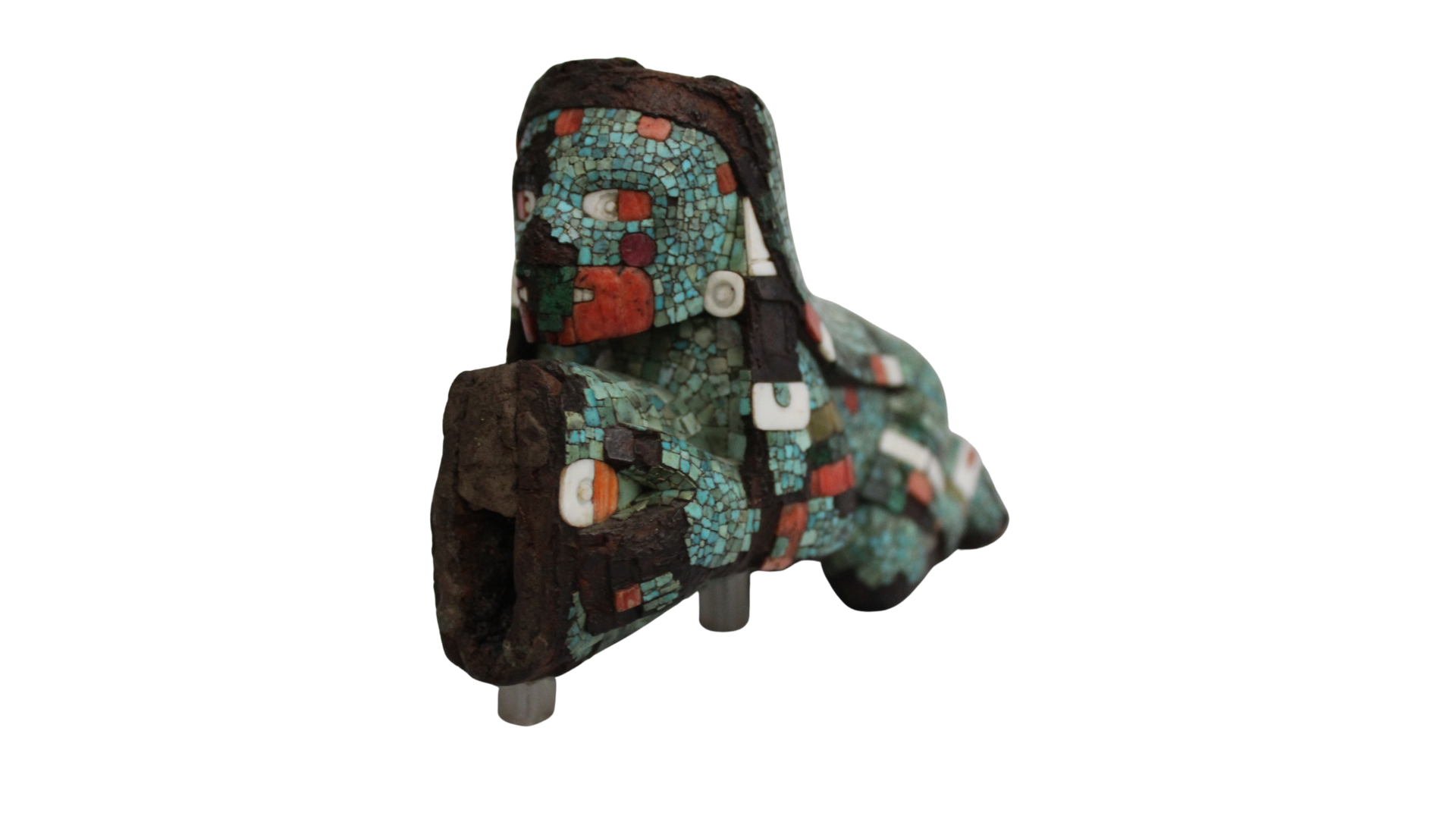
Anthropomorphic handle of a sacrificial knife, unknown Nahua artists, early 16th century (MUCIV – Museo delle Civiltà – Rome).
Anthropomorphic handle of a sacrificial knife, unknown Nahua artists, early 16th century (MUCIV – Museo delle Civiltà – Rome).

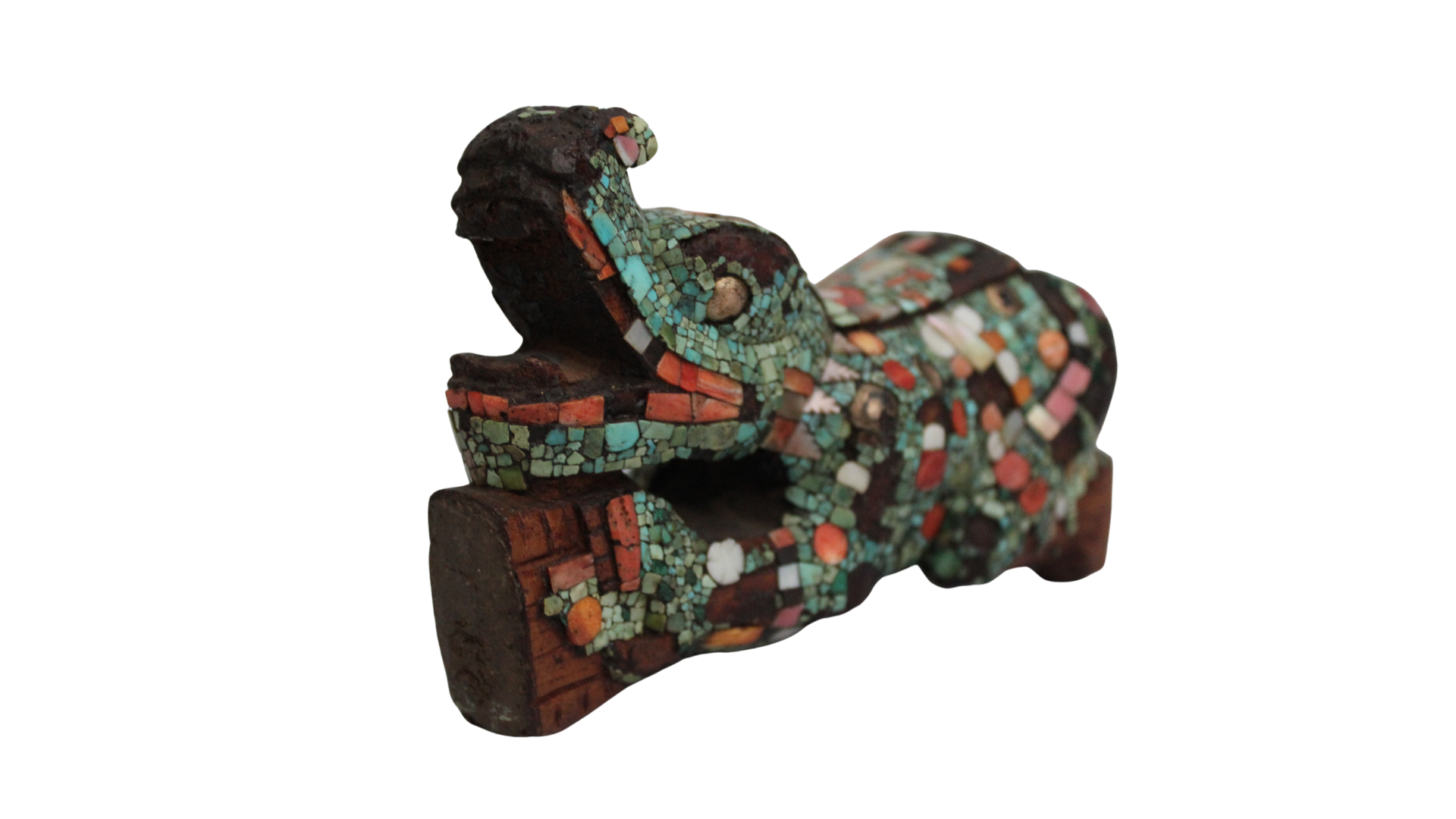
Zoomorphic handle of a sacrificial knife, unknown Nahua artists, early 16th century (MUCIV – Museo delle Civiltà – Rome).
Zoomorphic handle of a sacrificial knife, unknown Nahua artists, early 16th century (MUCIV – Museo delle Civiltà – Rome).

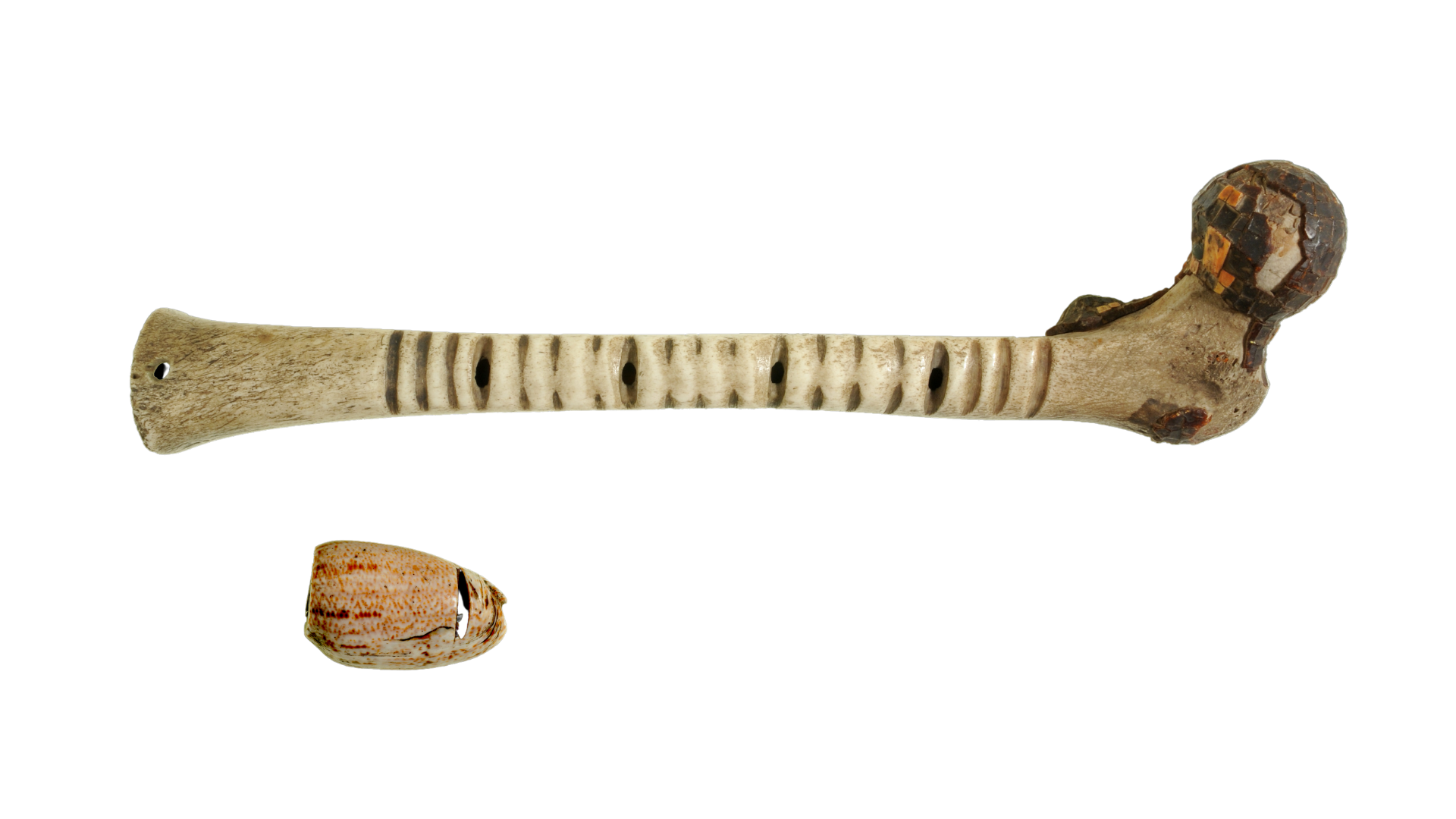
Mixtec rasp made from a human femur, to be played by scraping the notches with a shell (MUCIV – Museo delle Civiltà – Rome).
Mixtec rasp made from a human femur, to be played by scraping the notches with a shell (MUCIV – Museo delle Civiltà – Rome).
Mixtec rasp made from a human femur, to be played by scraping the notches with a shell (MUCIV – Museo delle Civiltà – Rome).
Mixtec rasp made from a human femur, to be played by scraping the notches with a shell (MUCIV – Museo delle Civiltà – Rome).
"Some images of God & the Apostles were also brought, made of very fine feathers, of different kinds of birds, marvelously & delicately worked by the same Indians, by means of which we can recognize their very lively & subtle ingenuity in the arts, & human crafts"
.01
Tangible Proofs of Idolatry, Ingenuity, and Humanity
The Paradoxes of Christian Colonial Discourse
In the 16th century, Dominican missionaries brought Mesoamerican objects to Italy on at least two or three occasions. Between 1531 and 1533, Domingo de Betanzos traveled to Italy to ask for the independence of the Dominican province of Mexico. He met Pope Clement VII (Giulio de’ Medici) twice, first in Rome in 1532, and then in Bologna on March 3, 1533. According to Dominican chroniclers Leandro Alberti and Agustín Dávila Padilla, on both occasions he presented lavish gifts of Indigenous artifacts, likely confiscated from the Eastern Nahua (Aztec) communities of the Puebla Valley. These included feathered and bejeweled priestly garments, mosaic-encrusted masks, painted manuscripts, stone “idols,” obsidian blades, and sacrificial knives with mosaic handles.
A second arrival likely occurred around 1553, when Mixtec feathered garments and mosaic masks began to appear in the Medici family inventories in Florence. On this occasion, another Mixtec pictorial manuscript — the Codex Tonindeye/Nuttall (from the Dominican convent of San Marco in Florence, now in the British Museum) — was probably also brought to Italy, as well as four carved and gilded spearthrowers today at the Museo di Antropologia di Firenze and the Museo delle Civiltà (Rome).
A third transfer took place around 1564, when a priest — maybe the Dominican Juan de Córdova — brought to Rome objects from the coastal Mixtec kingdom of Yucu Dzaa/Tututepec. Among them was a musical instrument made from the mosaic-encrusted skull and femur of the Mixtec king of Tlaxiaco. The same priest may also have brought the colonial-era Codex Vaticanus A.
Dominican sources describing these gifts emphasize that they were presented both as evidence of Indigenous idolatry and as demonstrations of Native ingenuity (ingenium). As Bartolomé de Las Casas explained, ingenuity was proof of rationality, humanity and convertibility.

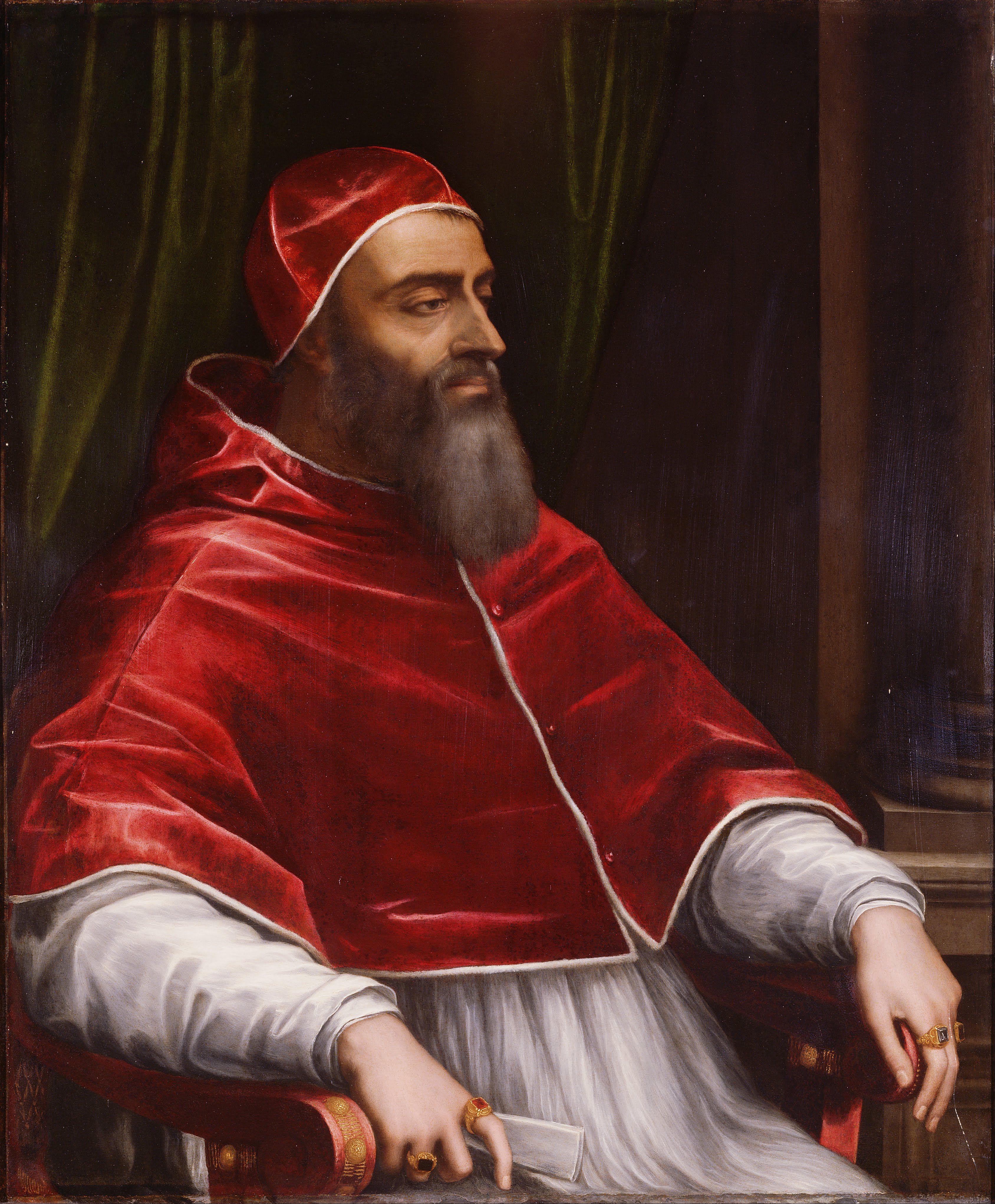
Pope Clement VII (Giulio de’ Medici) portrayed by Sebastiano del Piombo, c. 1531.
Pope Clement VII (Giulio de’ Medici) portrayed by Sebastiano del Piombo, c. 1531.

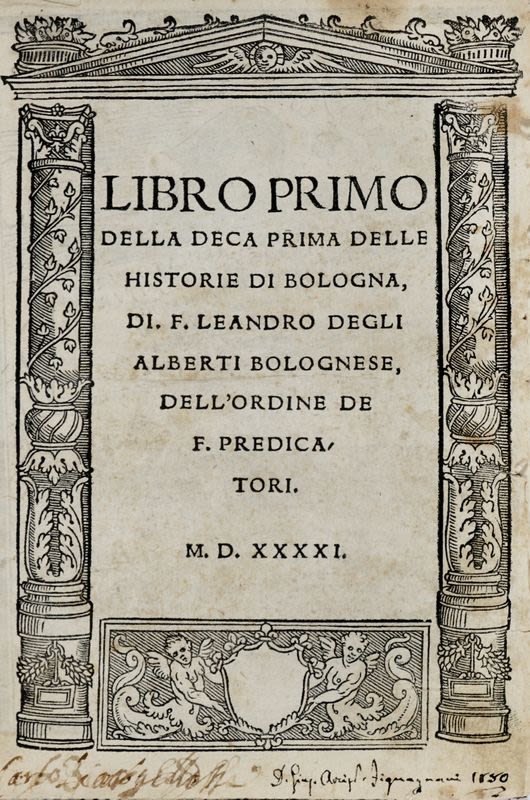
Frontispiece of the Historie di Bologna, by the Dominican historian Leandro Alberti, 1541.
Frontispiece of the Historie di Bologna, by the Dominican historian Leandro Alberti, 1541.

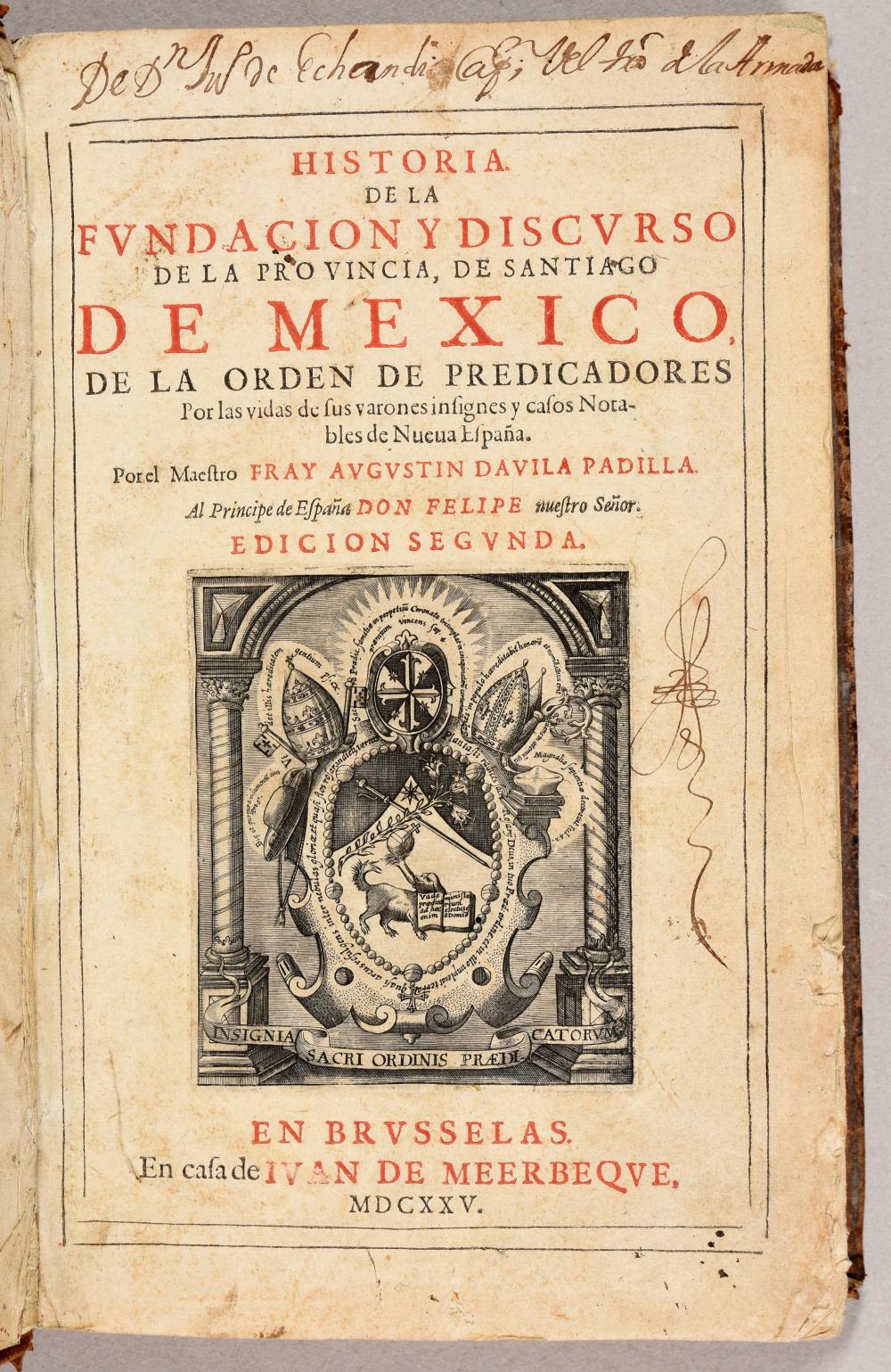
Frontispiece of the Historia de la Fundación de la Provincia de Santiago de México, by Agustín Dávila Padilla, original edition Madrid 1596.
Frontispiece of the Historia de la Fundación de la Provincia de Santiago de México, by Agustín Dávila Padilla, original edition Madrid 1596.

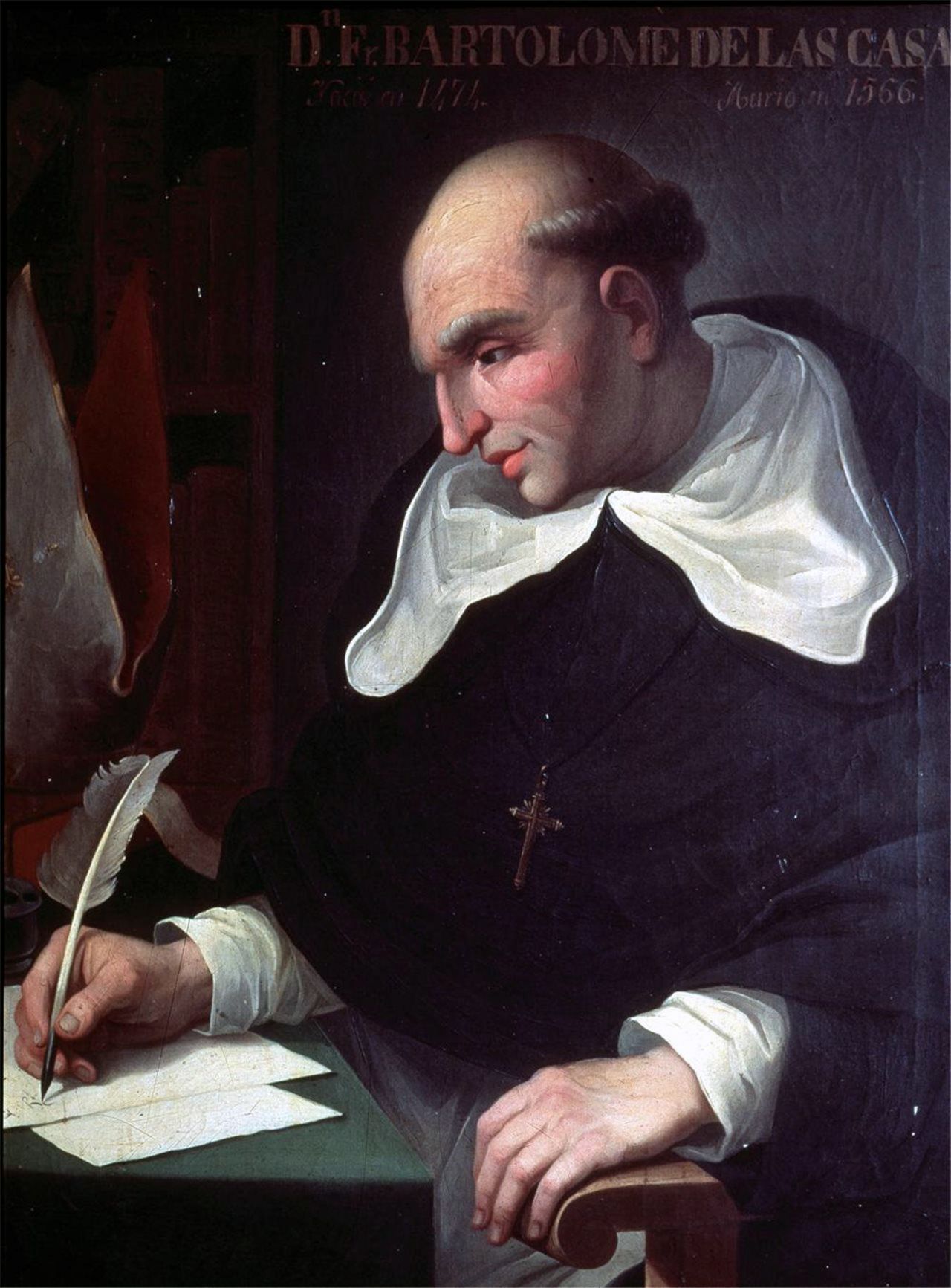
The Dominican friar Bartolomé de Las Casas, unknown artist, ca. 1550.
The Dominican friar Bartolomé de Las Casas, unknown artist, ca. 1550.
Thus, the Dominican gifts reveal the paradoxes of Christian colonial discourse, which defended the humanity of the Indigenous people while seeking to convert them through the eradication of their religious practices and the appropriation of their sacred objects.

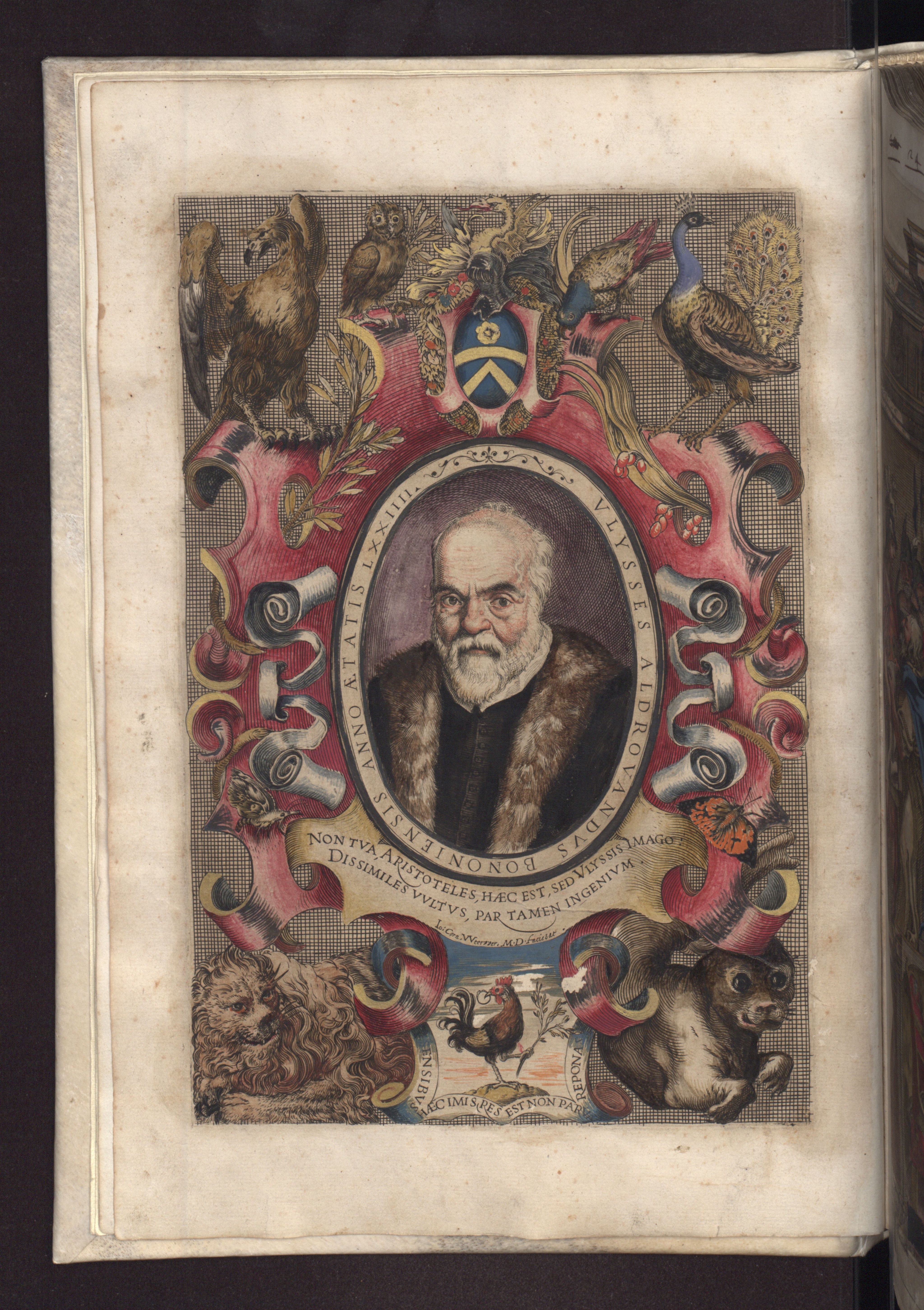
The Bolognese polymath Ulisse Aldrovandi (1522-1605), author’s portrait on the frontispiece of the Ornithologia (1599). © Alma Mater Studiorum Università di Bologna – Biblioteca Universitaria di Bologna
The Bolognese polymath Ulisse Aldrovandi (1522-1605), author’s portrait on the frontispiece of the Ornithologia (1599). © Alma Mater Studiorum Università di Bologna – Biblioteca Universitaria di Bologna

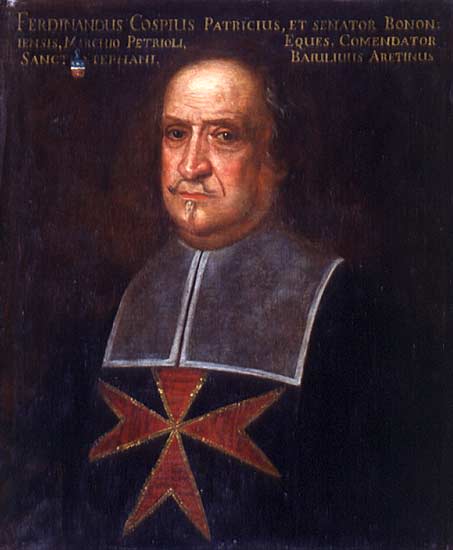
Marquis Ferdinando Cospi (1606-1686), Bolognese collector, unknown artist.
Marquis Ferdinando Cospi (1606-1686), Bolognese collector, unknown artist.

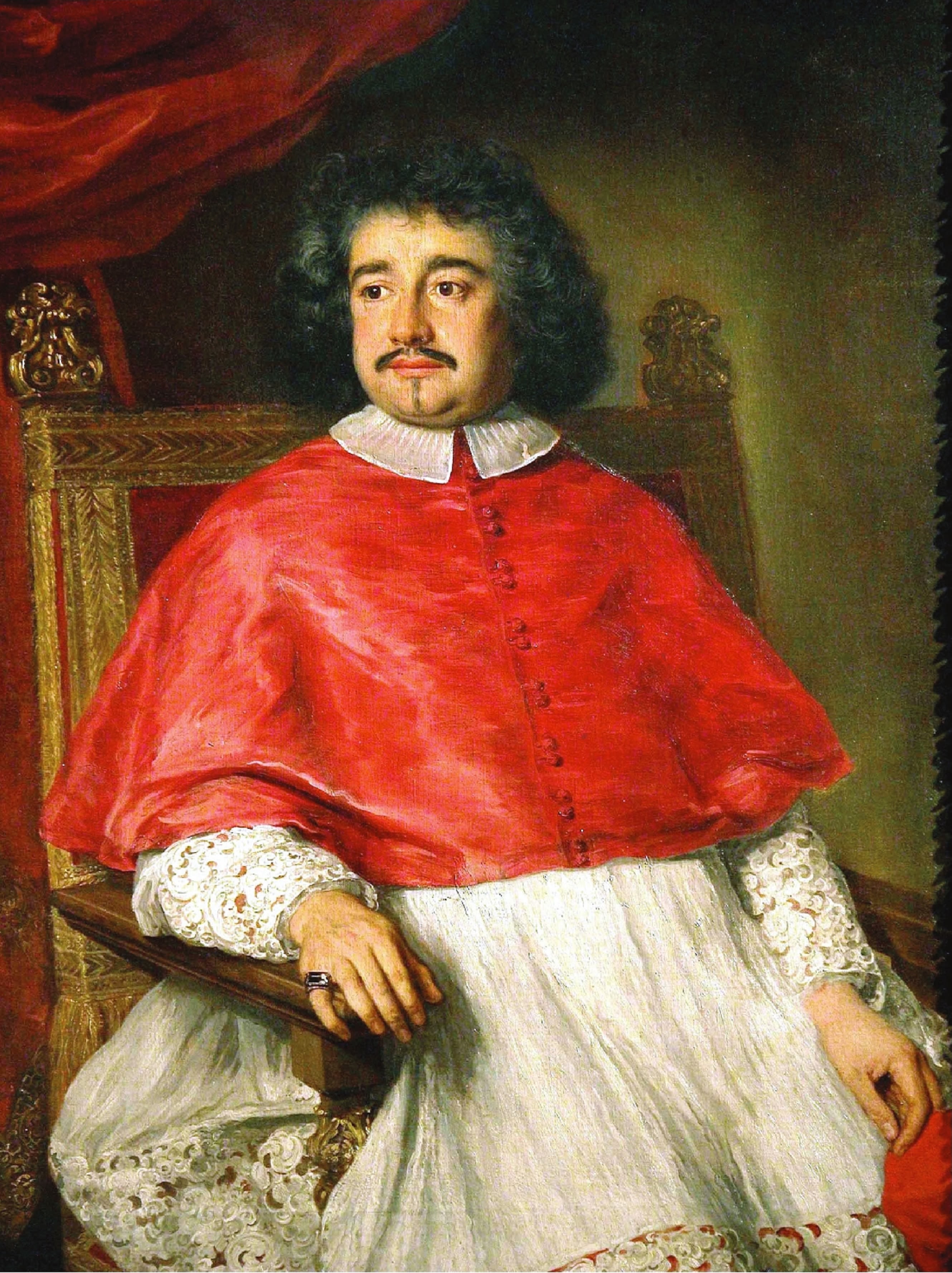
Flavio Chigi (1631-1693), cardinal nepote and collector, by Jacob Ferdinand Voet.
Flavio Chigi (1631-1693), cardinal nepote and collector, by Jacob Ferdinand Voet.

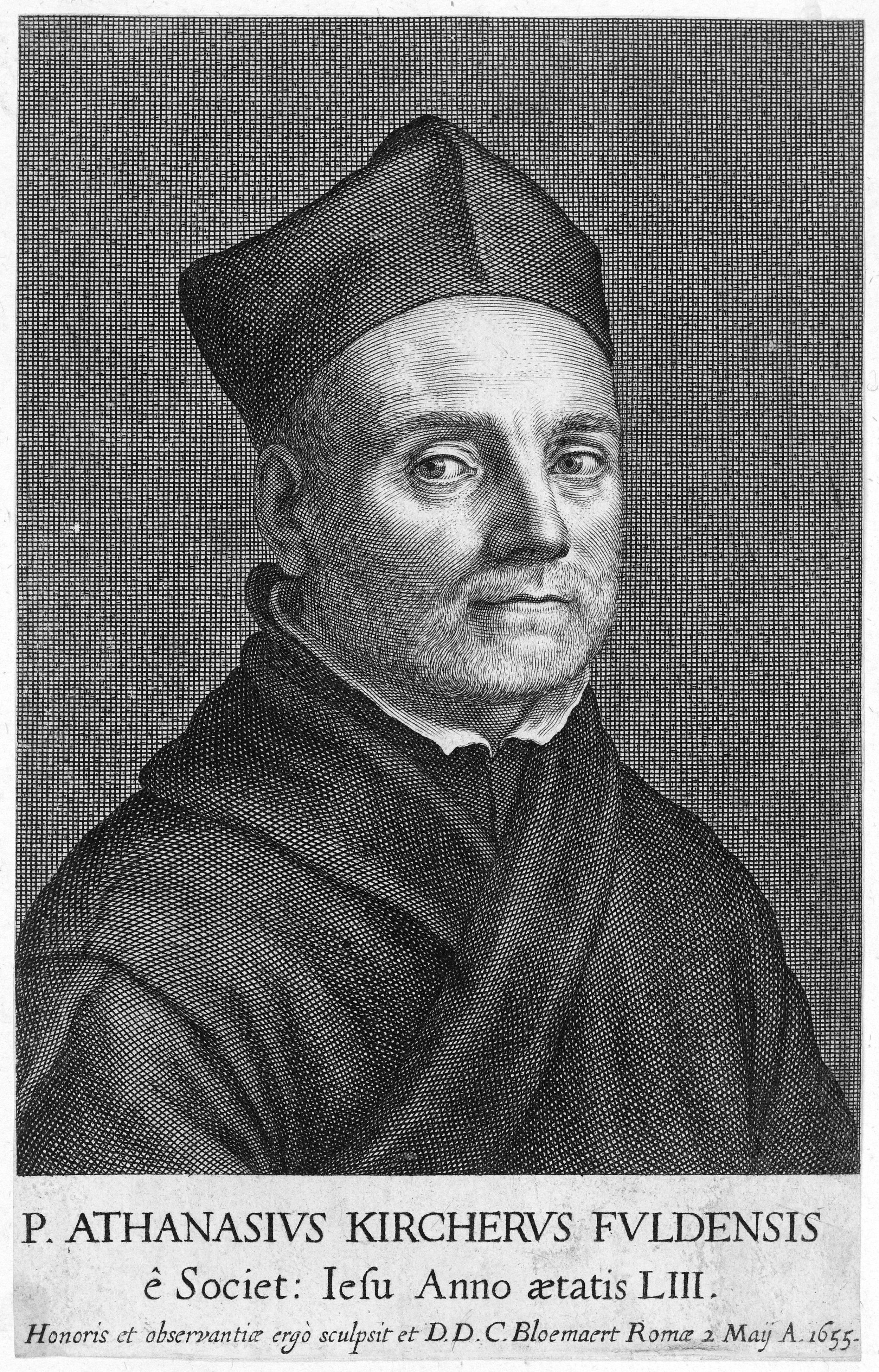
The Jesuit Athanasius Kircher (1602-1680), scholar and collector, by Cornelis Bloemaert.
The Jesuit Athanasius Kircher (1602-1680), scholar and collector, by Cornelis Bloemaert.


Cardinal Stefano Borgia (1731-1804), secretary of Propaganda Fide and collector, unknown artist.
Cardinal Stefano Borgia (1731-1804), secretary of Propaganda Fide and collector, unknown artist.

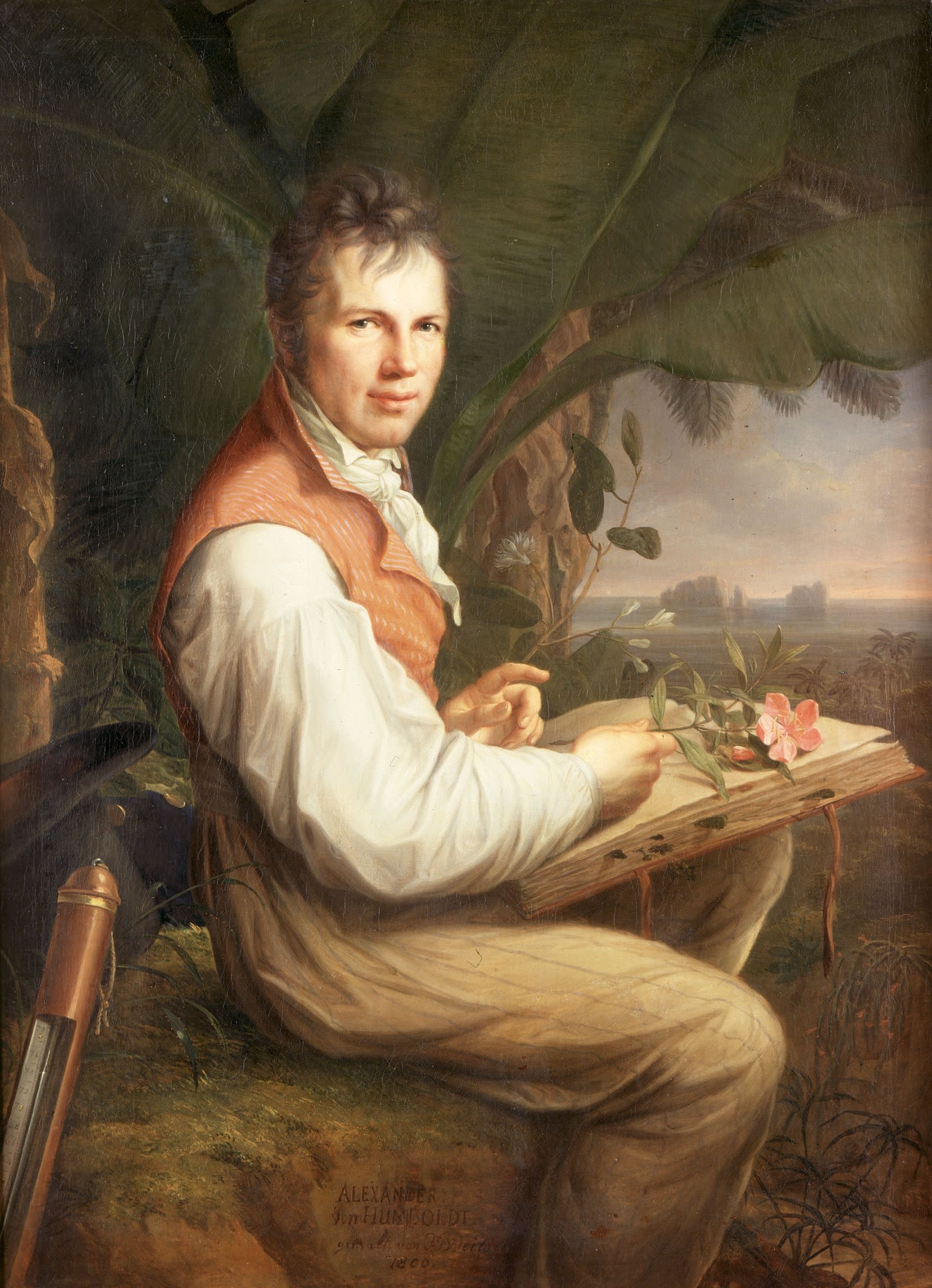
The Prussian geographer Alexander von Humboldt (1796-1859), by Friedrich Georg Weitsch.
The Prussian geographer Alexander von Humboldt (1796-1859), by Friedrich Georg Weitsch.

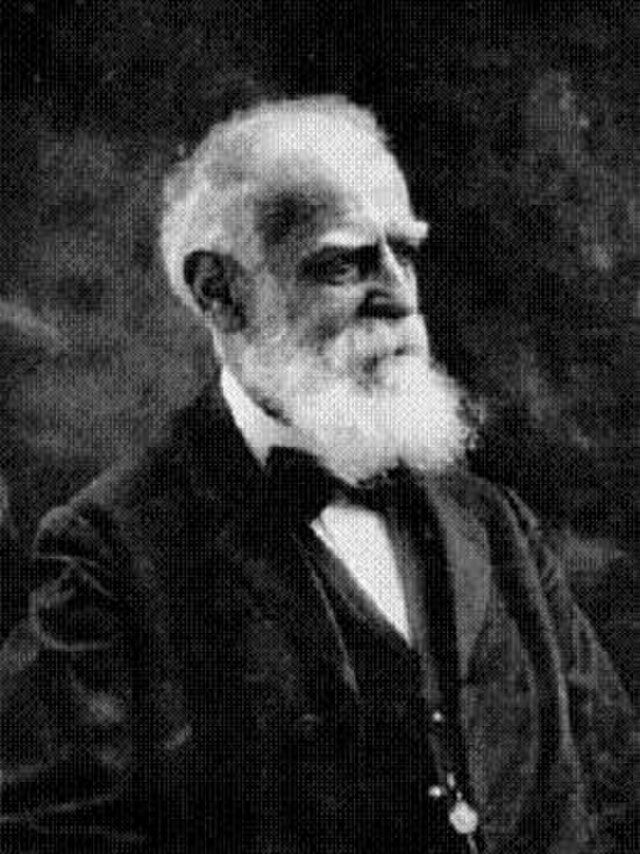
The palethnologist Luigi Pigorini (1842-1925), founder of the Regio Museo Preistorico Etnografico di Roma.
The palethnologist Luigi Pigorini (1842-1925), founder of the Regio Museo Preistorico Etnografico di Roma.
.02
From Hand to Hand
Five Centuries of Collection History
The Indigenous artifacts brought by the Dominicans soon entered local gift-giving circuits, being incorporated into the many museums and collections that dotted Late Renaissance Italy. Treasured, studied, and visually reproduced, they began their long Italian social life that, in many cases, ensured their preservation up to nowadays. Betanzos’ gifts entered Bolognese collections such as those of Giovanni Achillini, Galeazzo Paleotti, Antonio Giganti, Ulisse Aldrovandi, and by the 17th century, Ferdinando Cospi.
Scholars like Aldrovandi studied the Mesoamerican objects as scientific specimens and had them reproduced in detailed woodcuts. In Rome, some manuscripts were housed in the Vatican Library. When included in elite collections like the Medici’s, the artifacts enhanced the prestige of their owners.
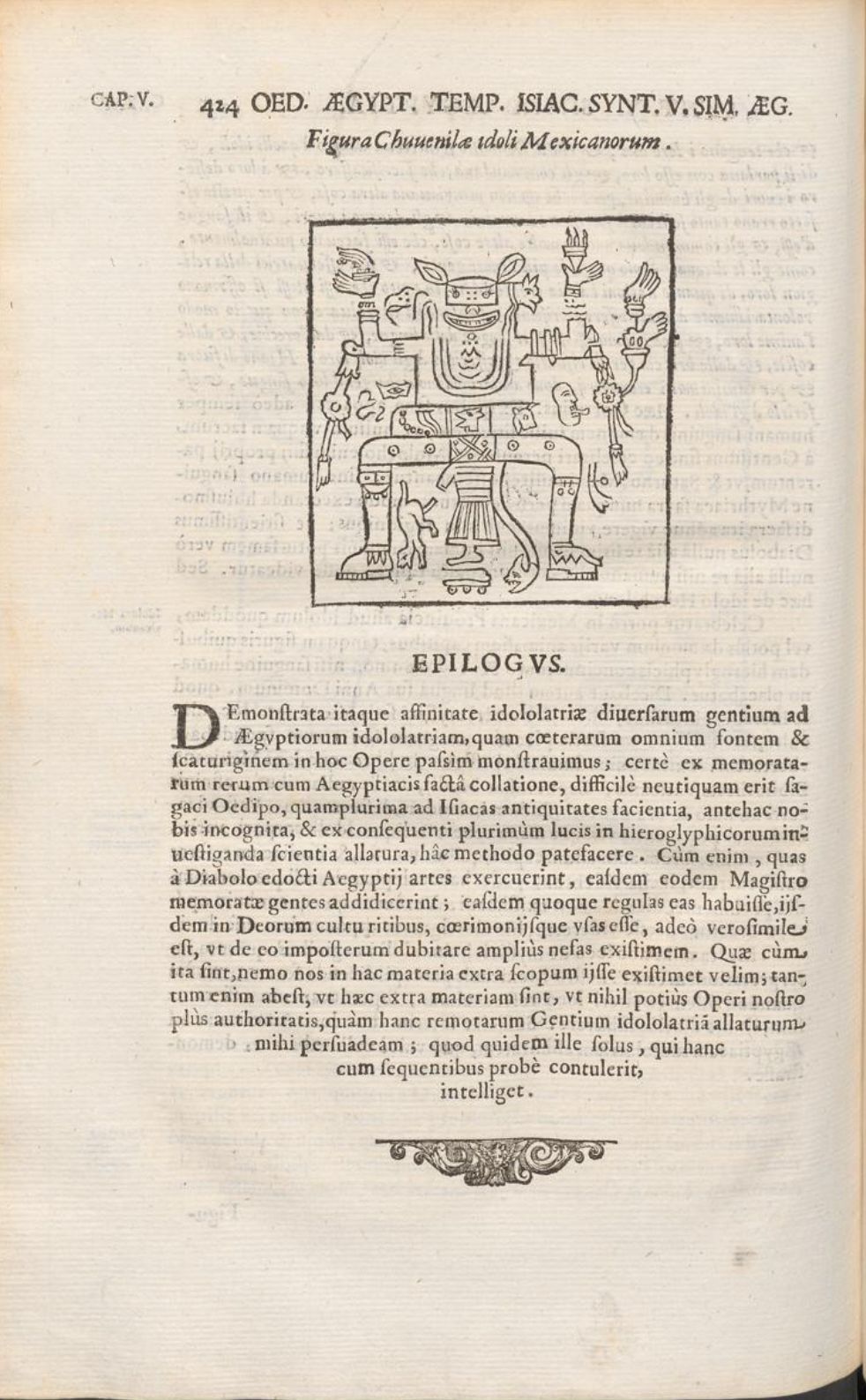
Several objects brought by Juan de Córdova, including the skull of the king of Tlaxiaco, were collected by Tommaso de’ Cavalieri and displayed in his Roman home, together with Michelangelo’s drawings. The king’s femur, on the other hand, was later exhibited in Cardinal Flavio Chigi’s 17th-century “Museum of natural, strange, and ancient curiosities”. Around the same time, Jesuit scholar Athanasius Kircher studied the manuscripts at the Vatican Library, comparing Mexican and Egyptian hieroglyphs.
In the 18th century, some objects were transferred to academic institutions like the Istituto delle Scienze di Bologna or acquired by scholars such as Cardinal Stefano Borgia.
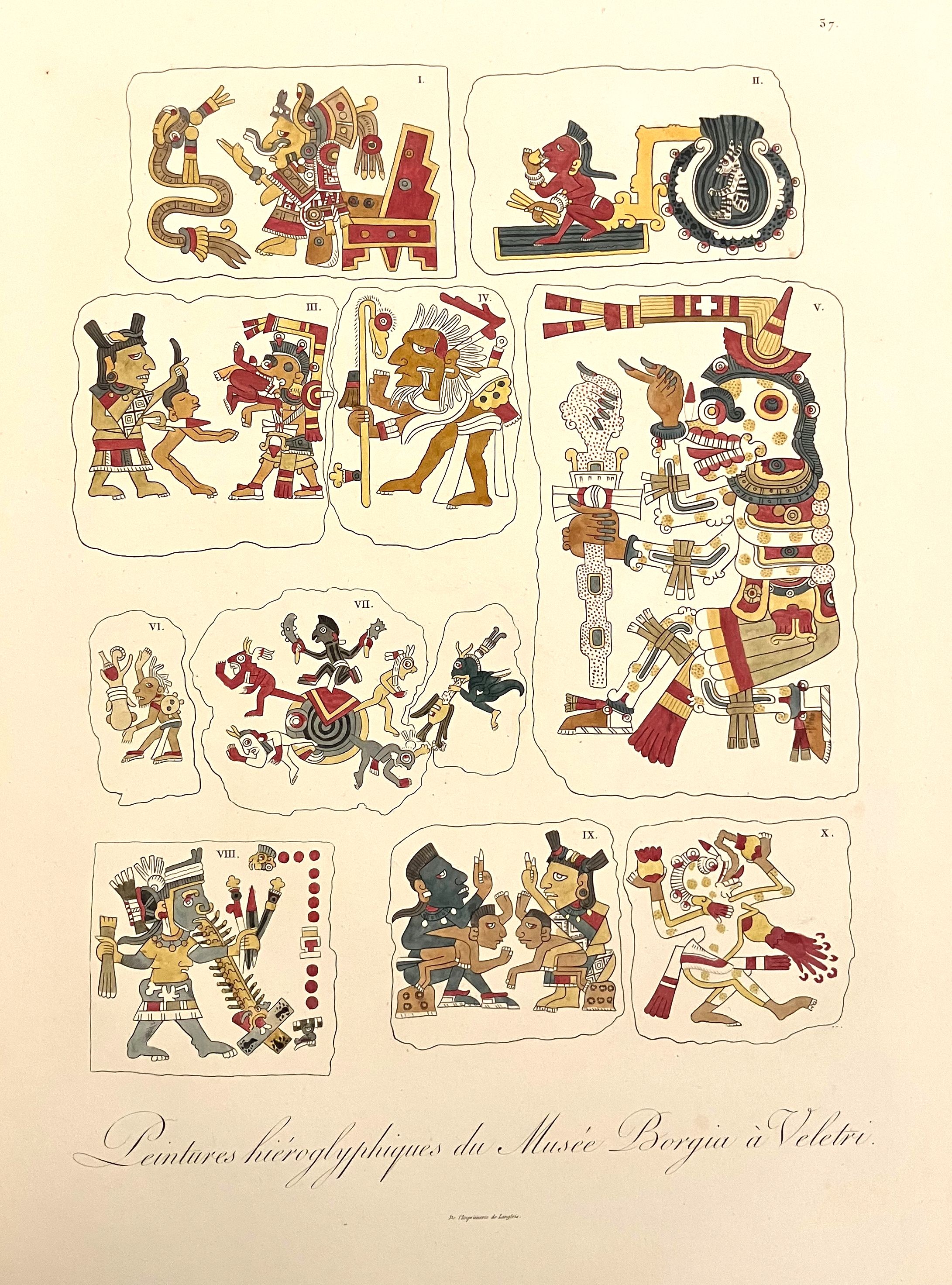
Works by Jesuits like Francisco Javier Clavijero and José Lino Fábrega, alongside scholars like Alexander von Humboldt, who at times worked on copies of the original manuscripts (like Borg. Mess. 2, a copy of Codex Cospi) marked the beginning of modern academic studies of Mesoamerican things. Facing the crisis induced by the Napoleonic campaigns, many noble Italian families sold artifacts abroad, and these pieces are now housed in the British Museum (London), the National Museum of Denmark (Copenhagen), the Schloss Friedenstein (Gotha), and the Austrian National Library (Vienna).
Both in Italy and internationally, during the 19th and 20th centuries, the artifacts brought to Italy by Dominican missionaries became central to the development of Mesoamerican studies. The research presented herein is the latest step in this long intellectual genealogy.

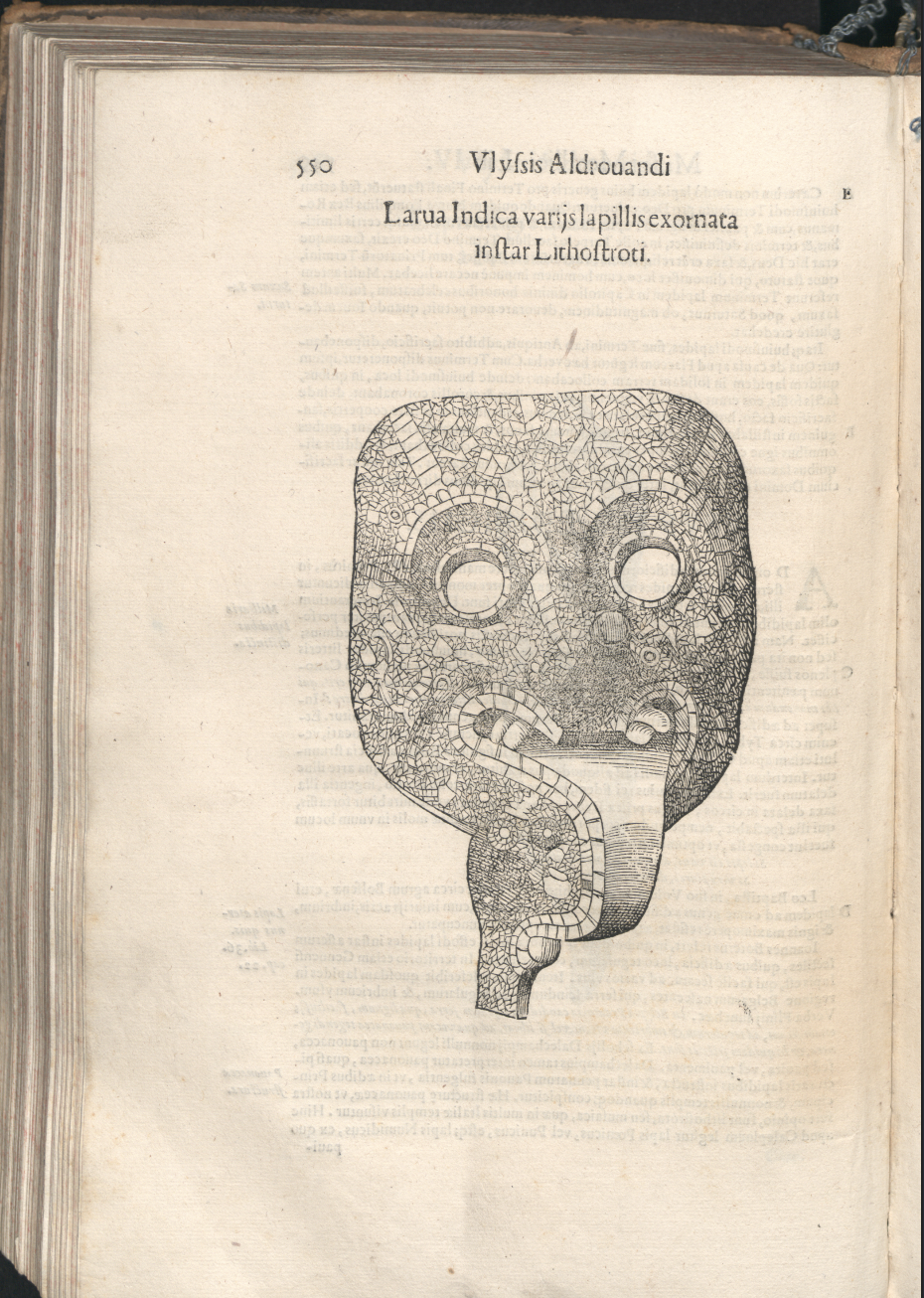

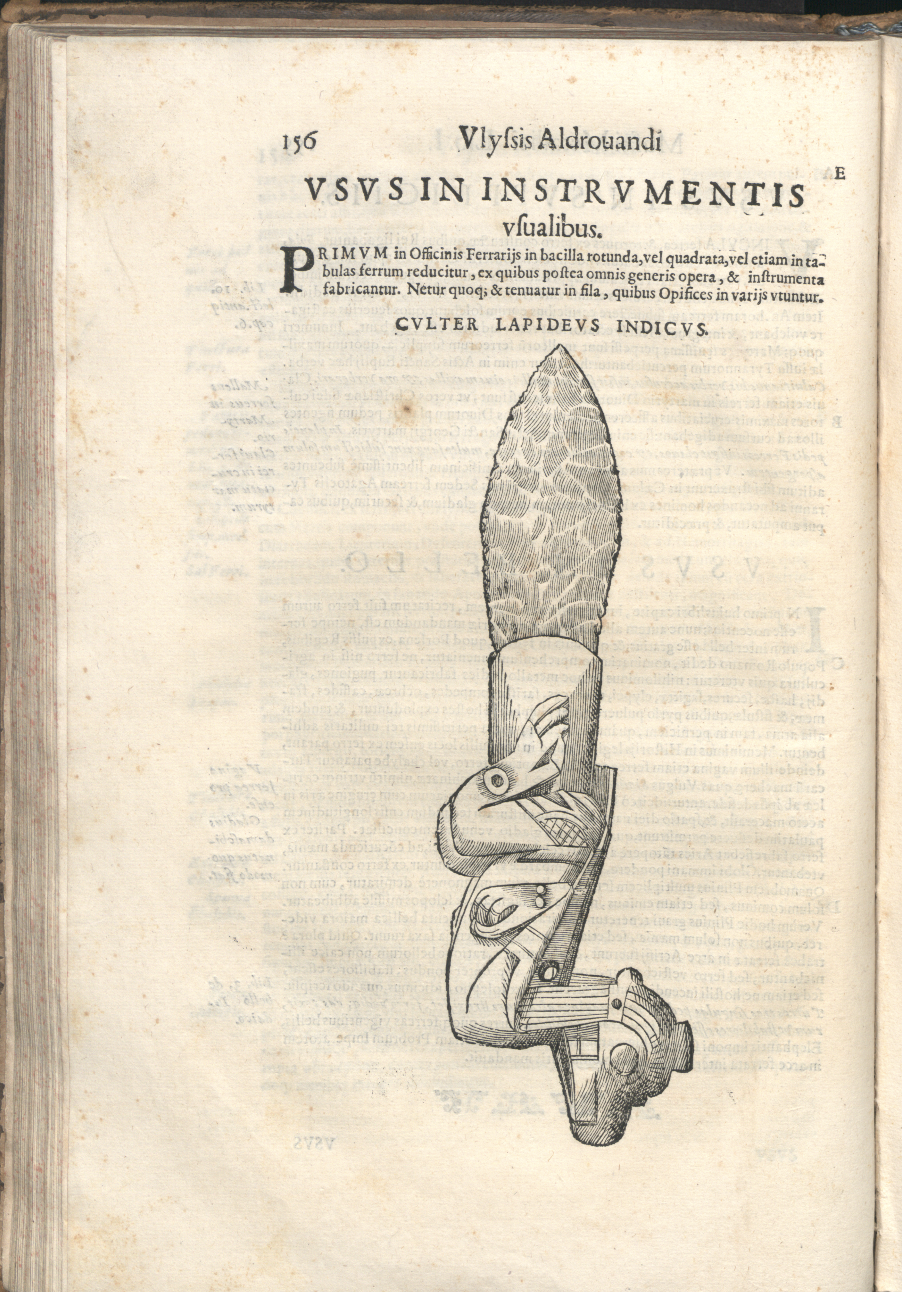

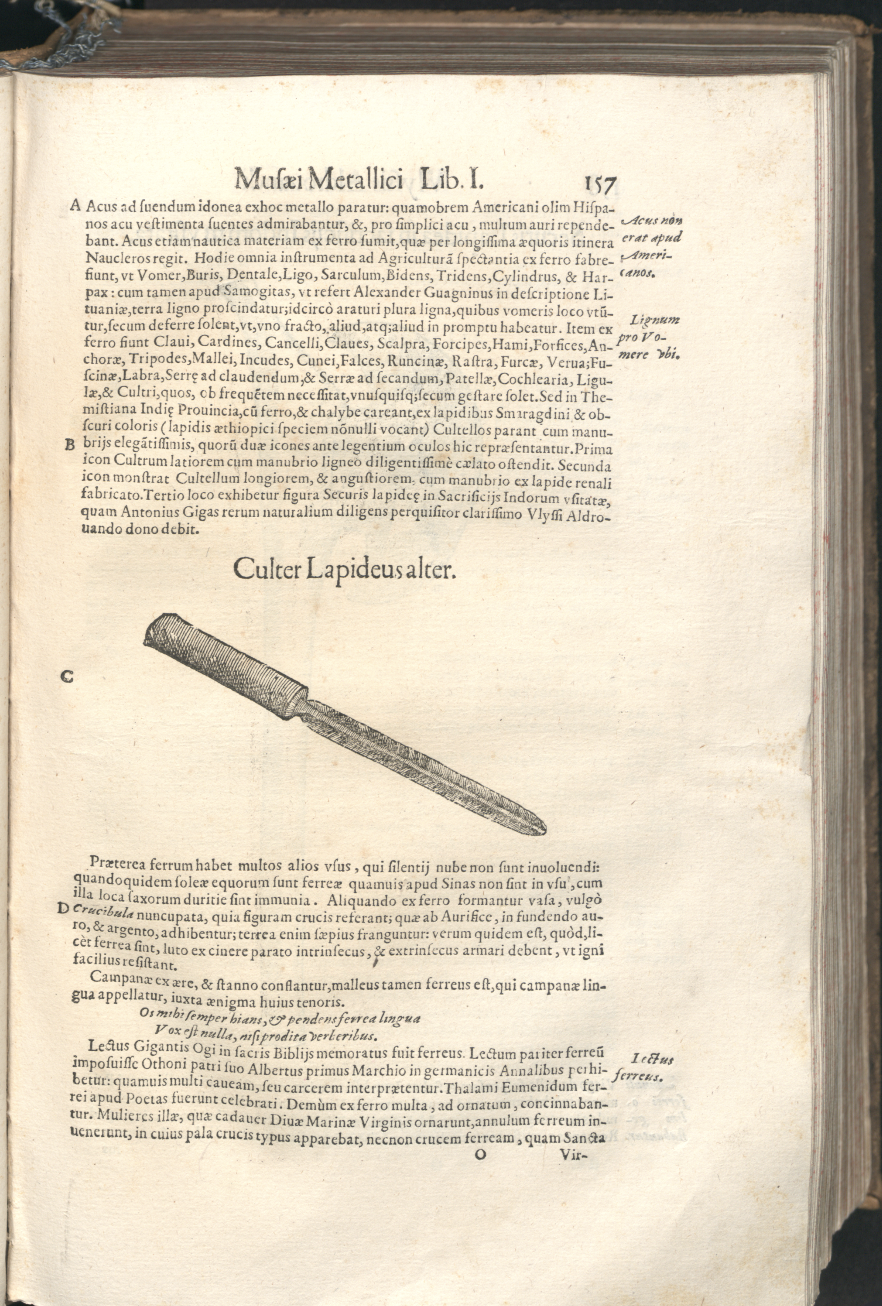

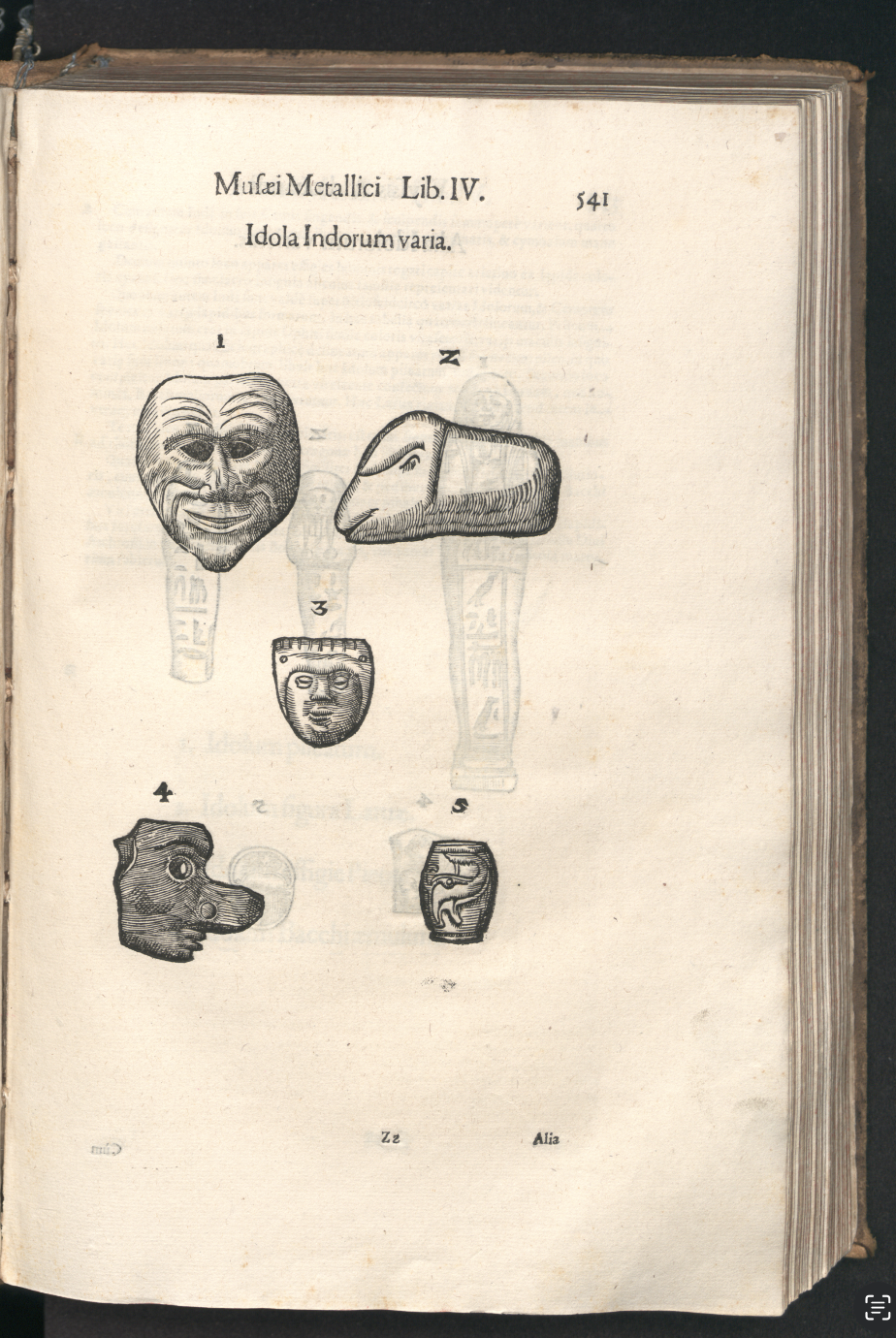

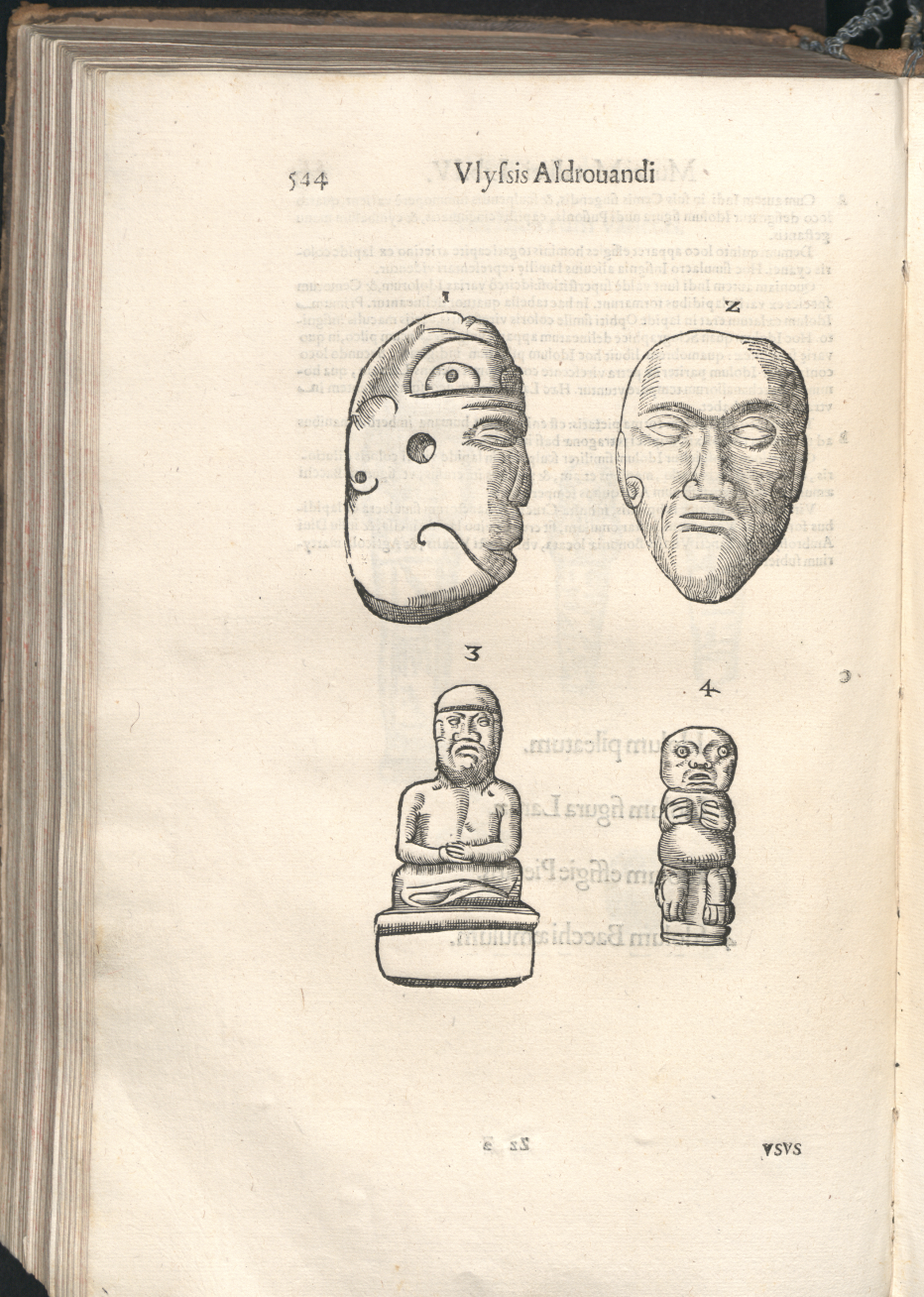






Nahua mask of Yacatecuhtli, woodcut published in Ulisse Aldrovandi, Musaeum metallicum, Bologna 1648. © Alma Mater Studiorum Università di Bologna – Biblioteca Universitaria di Bologna
Nahua mask of Yacatecuhtli, woodcut published in Ulisse Aldrovandi, Musaeum metallicum, Bologna 1648. © Alma Mater Studiorum Università di Bologna – Biblioteca Universitaria di Bologna

Nahua sacrificial knife, woodcut published in Ulisse Aldrovandi, Musaeum metallicum, Bologna 1648. © Alma Mater Studiorum Università di Bologna – Biblioteca Universitaria di Bologna
Nahua sacrificial knife, woodcut published in Ulisse Aldrovandi, Musaeum metallicum, Bologna 1648. © Alma Mater Studiorum Università di Bologna – Biblioteca Universitaria di Bologna

Nahua obsidian knife, woodcut published in Ulisse Aldrovandi, Musaeum metallicum, Bologna 1648. © Alma Mater Studiorum Università di Bologna – Biblioteca Universitaria di Bologna
Nahua obsidian knife, woodcut published in Ulisse Aldrovandi, Musaeum metallicum, Bologna 1648. © Alma Mater Studiorum Università di Bologna – Biblioteca Universitaria di Bologna

Mesoamerican “idols”, woodcut published in Ulisse Aldrovandi, Musaeum metallicum, Bologna 1648. © Alma Mater Studiorum Università di Bologna – Biblioteca Universitaria di Bologna
Mesoamerican “idols”, woodcut published in Ulisse Aldrovandi, Musaeum metallicum, Bologna 1648. © Alma Mater Studiorum Università di Bologna – Biblioteca Universitaria di Bologna

Mesoamerican “idols”, woodcut published in Ulisse Aldrovandi, Musaeum metallicum, Bologna 1648. © Alma Mater Studiorum Università di Bologna – Biblioteca Universitaria di Bologna
Mesoamerican “idols”, woodcut published in Ulisse Aldrovandi, Musaeum metallicum, Bologna 1648. © Alma Mater Studiorum Università di Bologna – Biblioteca Universitaria di Bologna

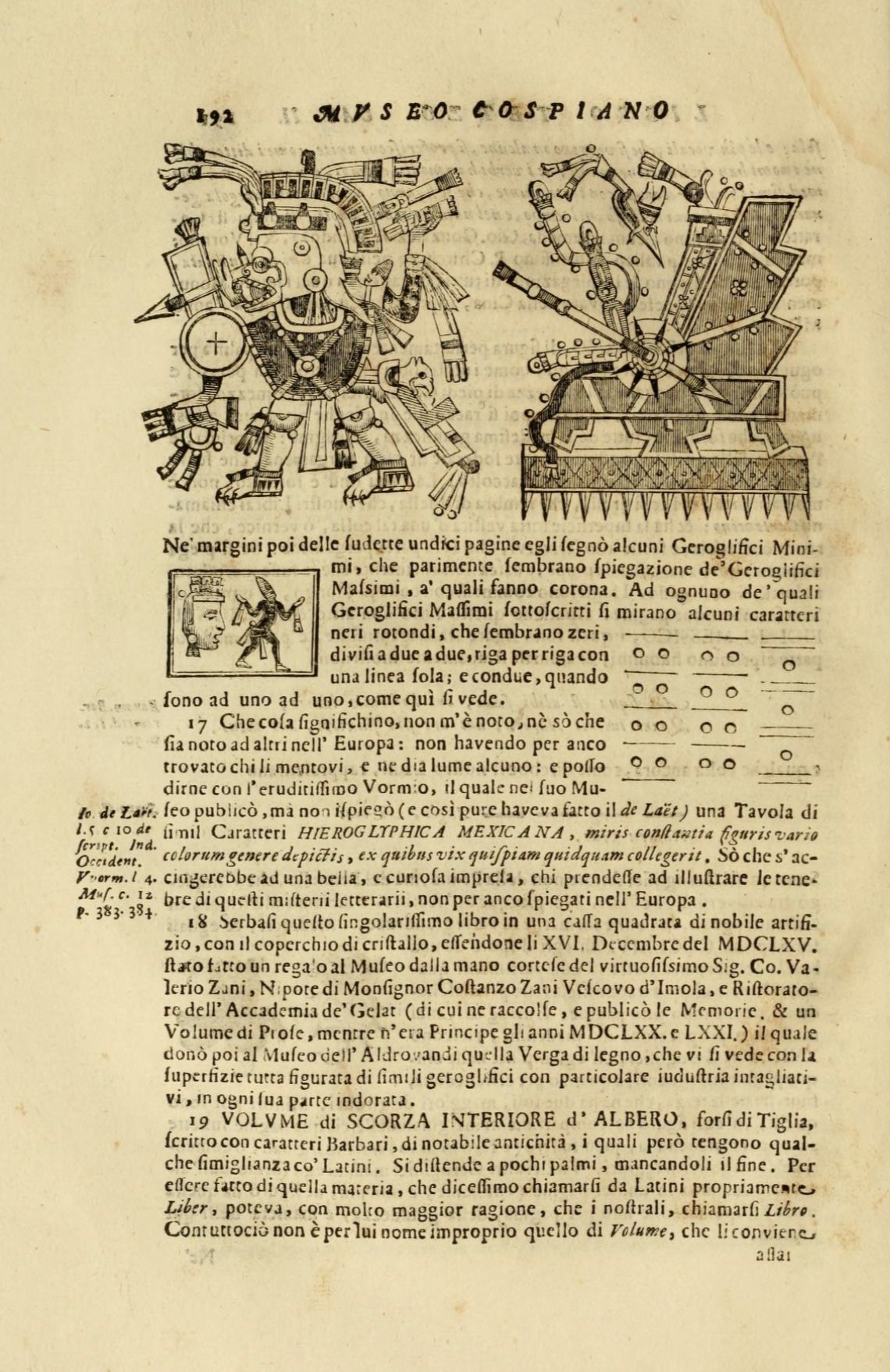
Detail of Codex Cospi, published in Lorenzo Legati, Museo Cospiano, Bologna Bologna 1677.
Detail of Codex Cospi, published in Lorenzo Legati, Museo Cospiano, Bologna Bologna 1677.

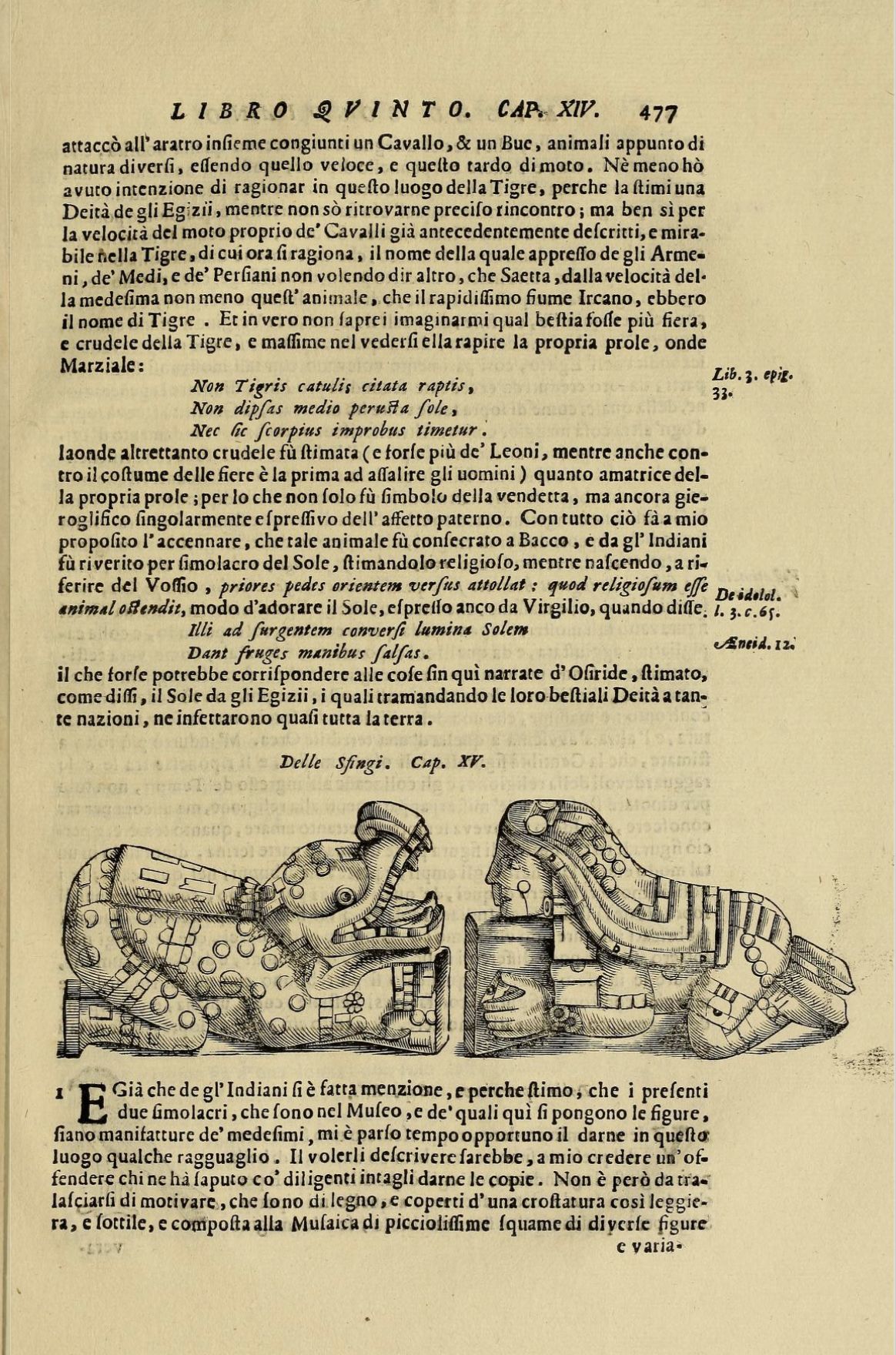
Knife handles, published as “sphinxes in Lorenzo Legati, Museo Cospiano, Bologna Bologna 1677.
Knife handles, published as “sphinxes in Lorenzo Legati, Museo Cospiano, Bologna Bologna 1677.

Copy of a page of the Nahua Codex Vaticanus B published in Athanasius Kircher, Oedipus aegyptiacus, Rome 1652-1654.
Copy of a page of the Nahua Codex Vaticanus B published in Athanasius Kircher, Oedipus aegyptiacus, Rome 1652-1654.

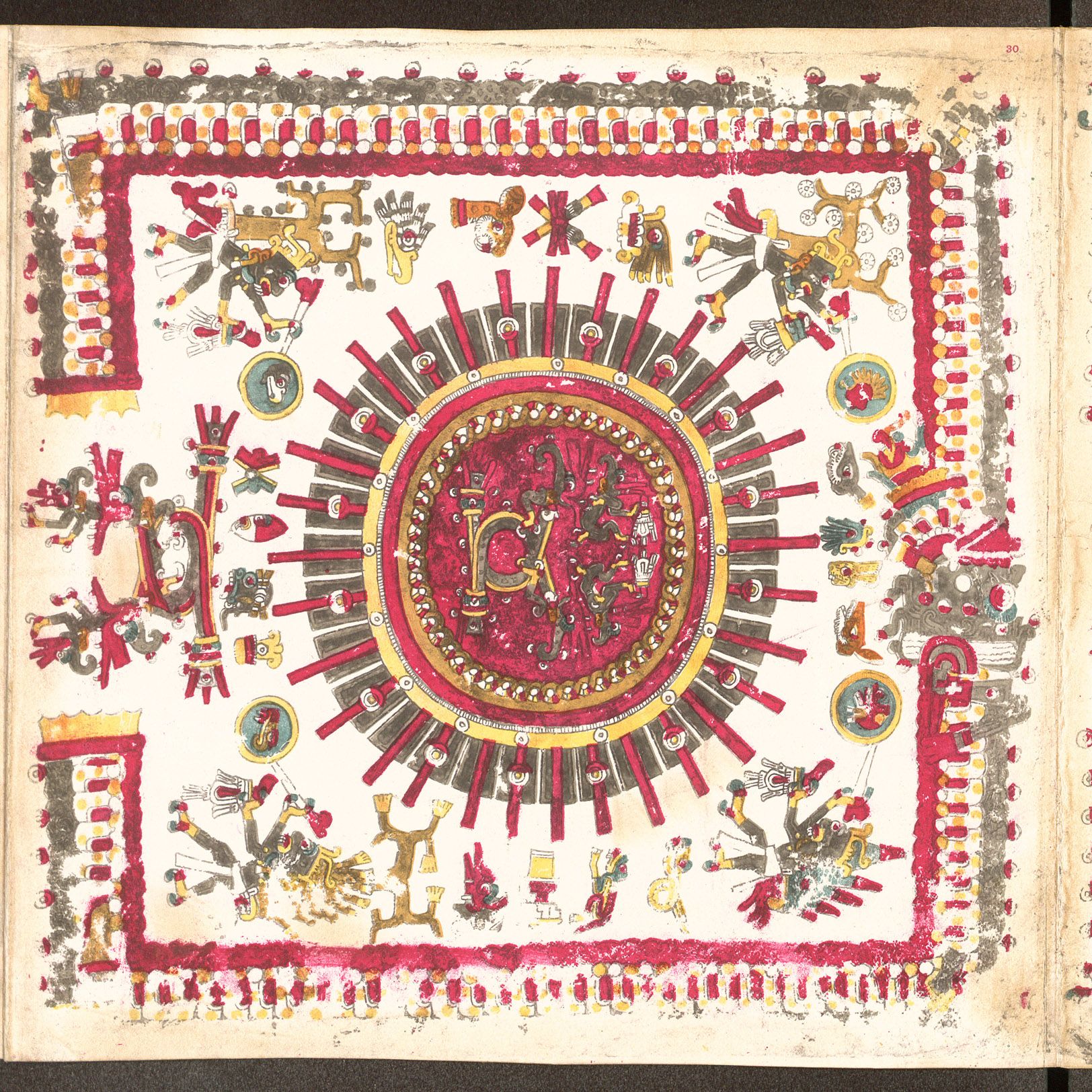
Copies of details of the Nahua Codex Borgia, published in Alexander von Humboldt, Vues des Cordillères, et monumens des peuples indigènes de l'Amérique, Paris 1810.
Copies of details of the Nahua Codex Borgia, published in Alexander von Humboldt, Vues des Cordillères, et monumens des peuples indigènes de l'Amérique, Paris 1810.

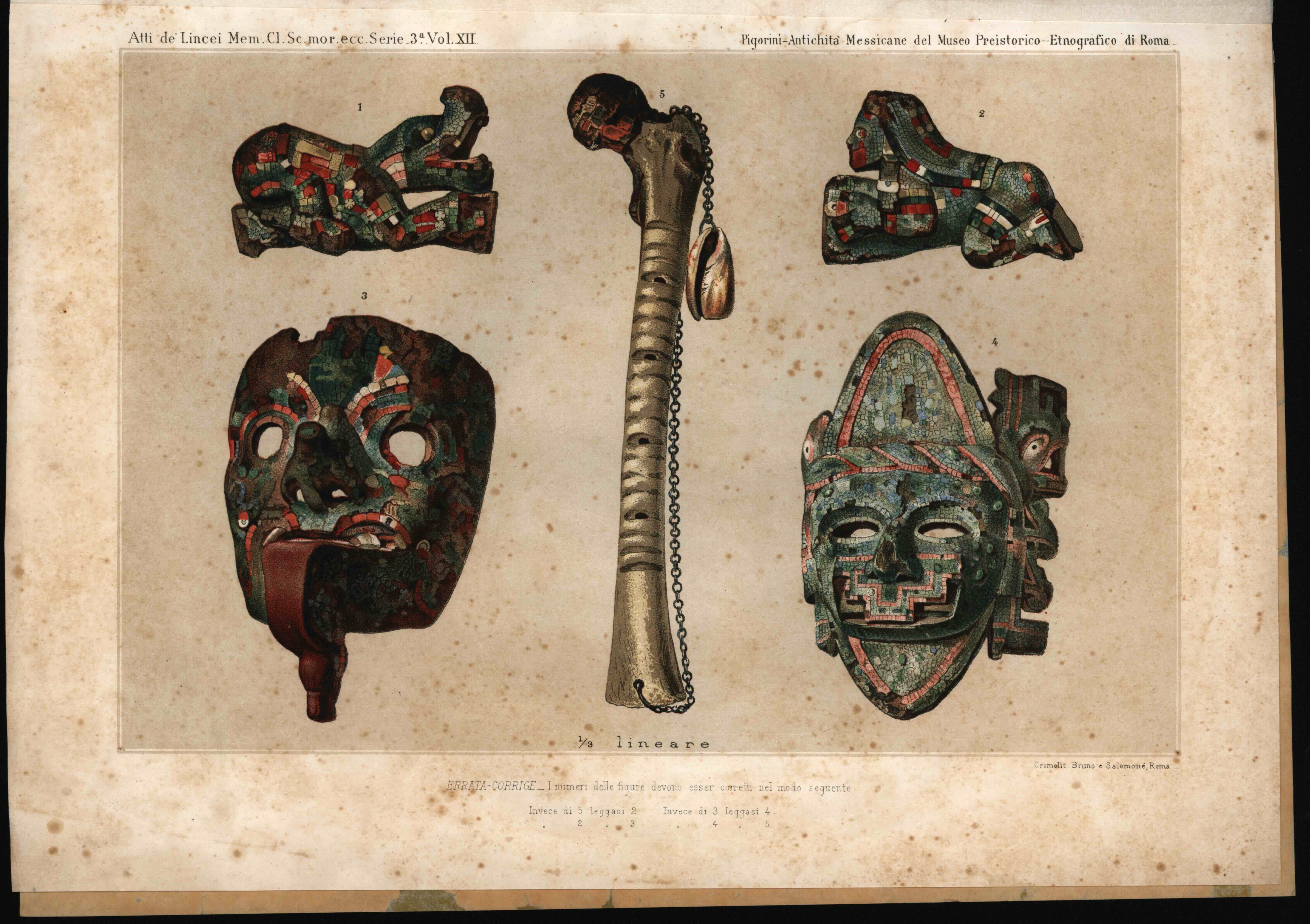
Lithography of the mosaic-encrusted artifacts brought to Rome in 1878, published in Luigi Pigorini, Gli antichi oggetti messicani incrostati di mosaico esistenti nel Museo Preistorico Etnografico di Roma, 1885.
Lithography of the mosaic-encrusted artifacts brought to Rome in 1878, published in Luigi Pigorini, Gli antichi oggetti messicani incrostati di mosaico esistenti nel Museo Preistorico Etnografico di Roma, 1885.
"[…] teteo (gods) and their teixiptlahuan (localized embodiments) took many forms in Aztec religion, including effigies made of natural materials […]"
.03
Sacred Matter
Mosaics as Materialized Gods
Throughout their long Italian social life, as they moved through different cultural contexts and regimes of value, mosaics and sculptures were variously interpreted as “pagan idols,” “sphinxes,” exotic mineral specimens, evidence of Indigenous inferiority along the path of progress and evolution, examples of “primitive” art, or anthropological documents.
But what were they in the eyes of their Indigenous creators? What roles did they serve in 15th–early 16th century Mesoamerica?
The short answer is that they were images or insignias of gods. Yet to fully understand their meaning and function, we must explore the complex Mesoamerican conceptions of “god” and “image.” These ideas, in turn, are best illuminated through the careful material study of the objects themselves, creating a virtuous circle of interpretation.
At first glance, Mesoamerican religion appears to feature an almost limitless pantheon of deities, each with multiple names and forms. However, Mesoamerican religion is better understood as a dynamic system in which sacred beings are fluid manifestations of natural phenomena, subject to ongoing processes of fusion and fission. Through this constant shapeshifting, divine beings could assume tangible, material forms, which were also necessary for being perceived and venerated by humans.
In the Nahuatl language spoken by the Nahua (or “Aztecs”), such a tangible form or “localized embodiment” — whether a costumed person or an artwork — was called teixiptla.
Literally meaning “someone’s surface-flayed thing,” teixiptla is a key concept in an Indigenous theory of sacred imagery.
A statue or a mosaic-encrusted wooden sculpture is the ixiptla of a god: not a mere representation of a deity residing elsewhere, but an actual materialization of the god itself, imbued with sacred power and agency.
Specific features of the teixiptla — such as jewels, facial painting, weapons, or garments — functioned like adjectival elements, helping observers recognize which specific divine aspect was being embodied. Mosaic masks, sacrificial knives, pectorals, and other godly ixiptlahuan could be worn by human impersonators, affixed to statues, or tied to sacred bundles containing divine relics.
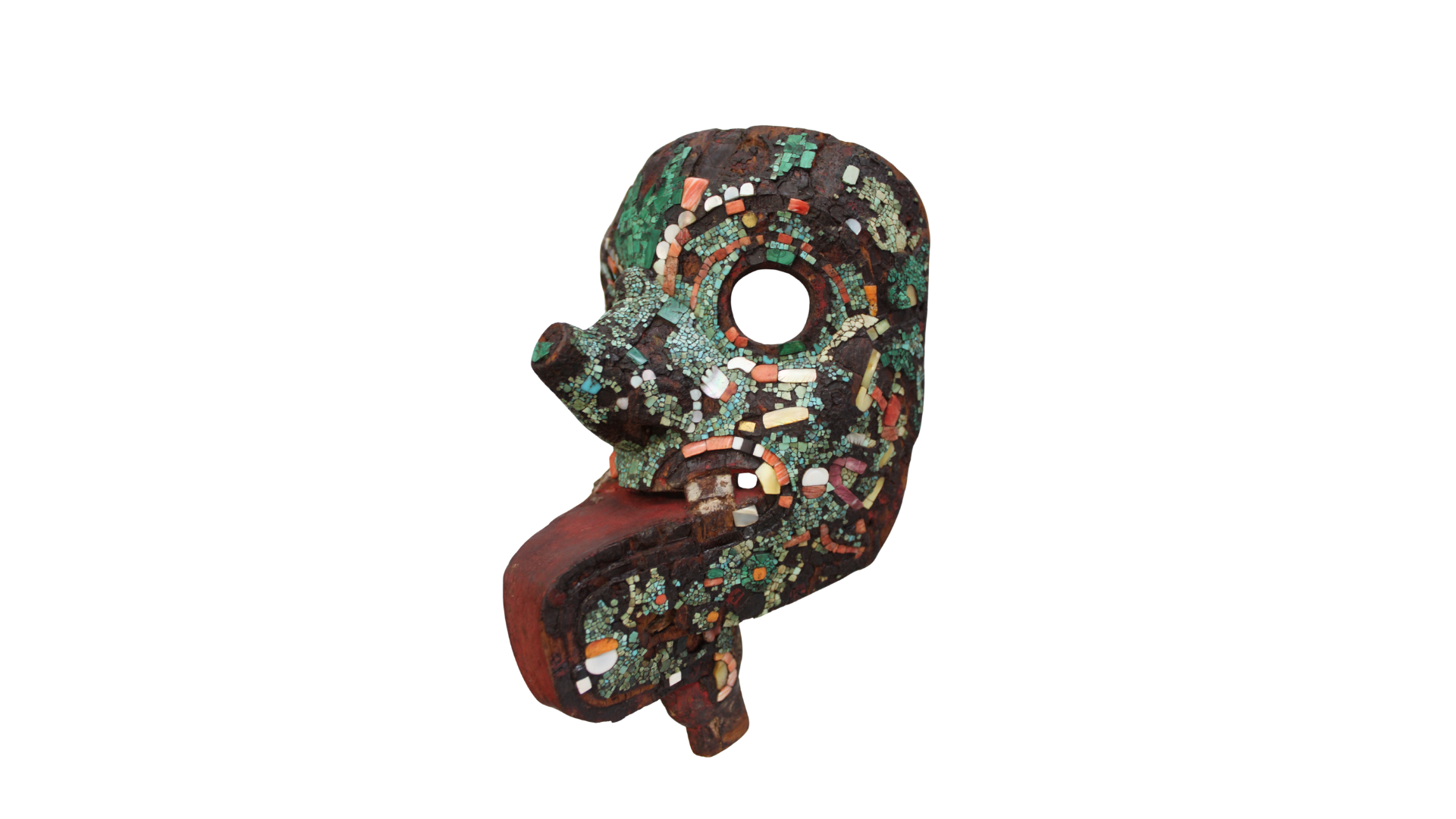
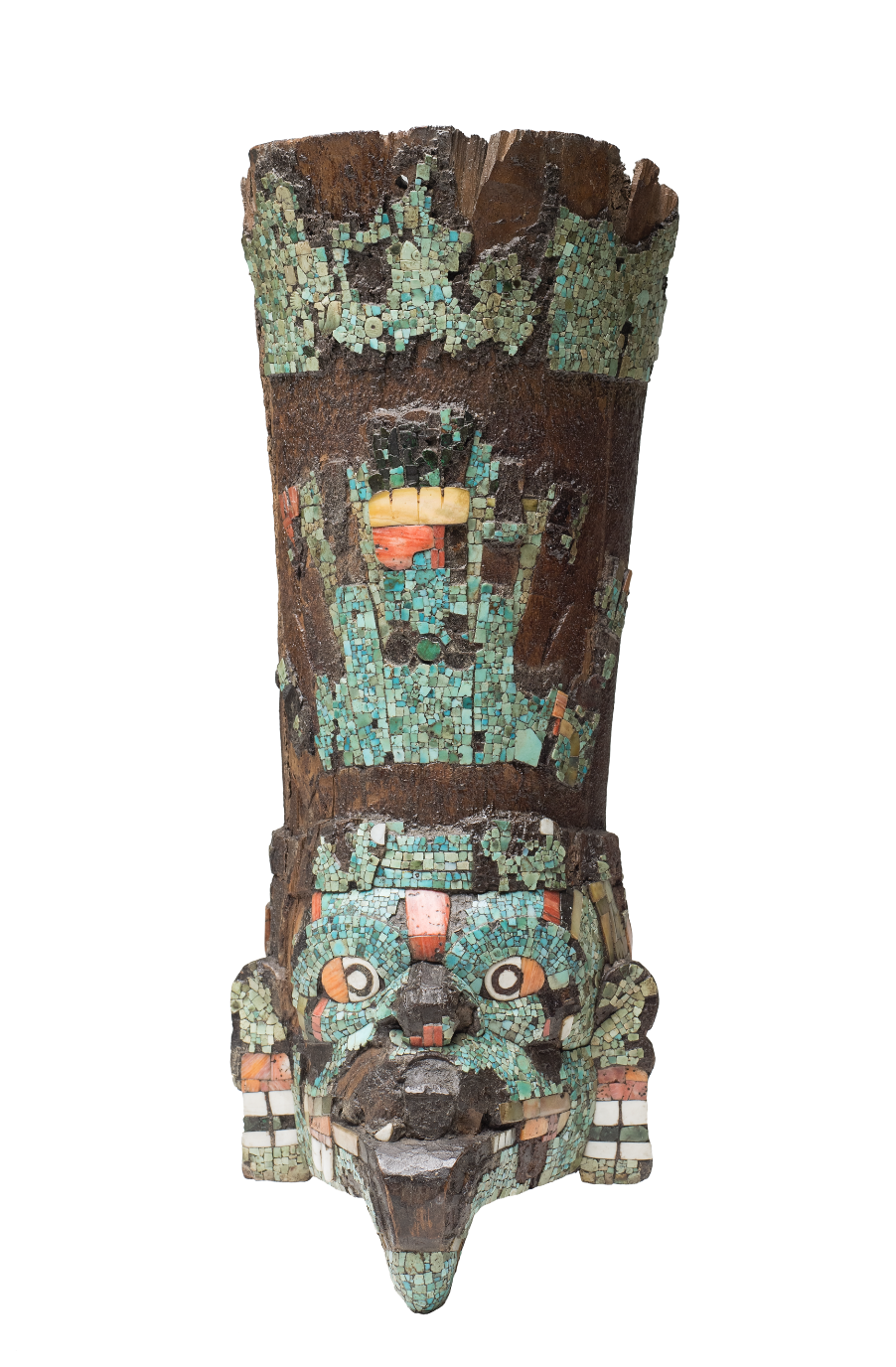
Mosaic mask of the god Yacatecuhtli, patron of the merchants, unknown Nahua artists, early 16th century (MUCIV – Museo delle Civiltà – Rome).
Mosaic mask of the god Yacatecuhtli, patron of the merchants, unknown Nahua artists, early 16th century (MUCIV – Museo delle Civiltà – Rome).
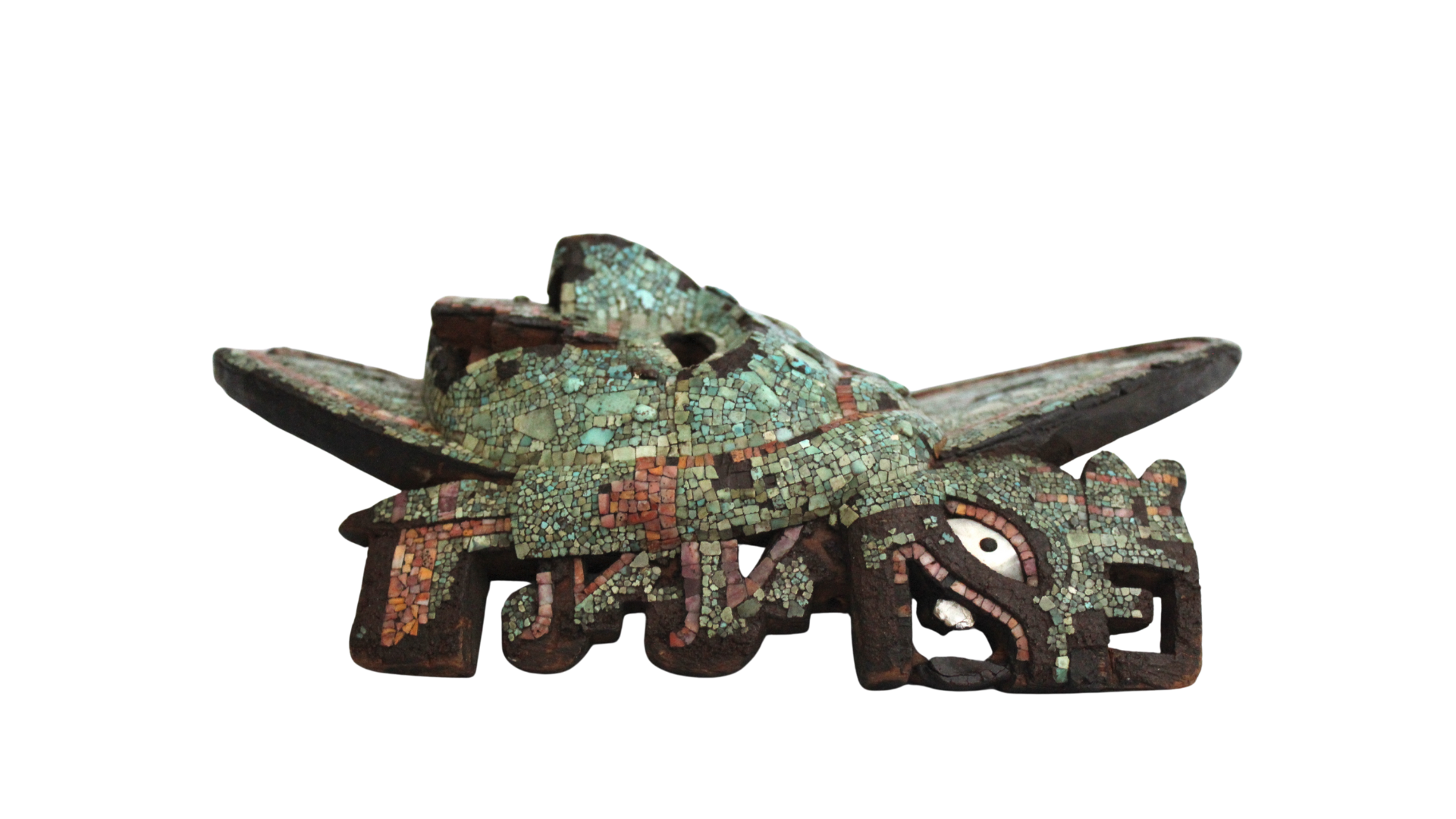
Mosaic mask of the goddess 9 Reed, unknown Mixtec artists, early 16th century (MUCIV – Museo delle Civiltà – Rome).
Mosaic mask of the goddess 9 Reed, unknown Mixtec artists, early 16th century (MUCIV – Museo delle Civiltà – Rome).
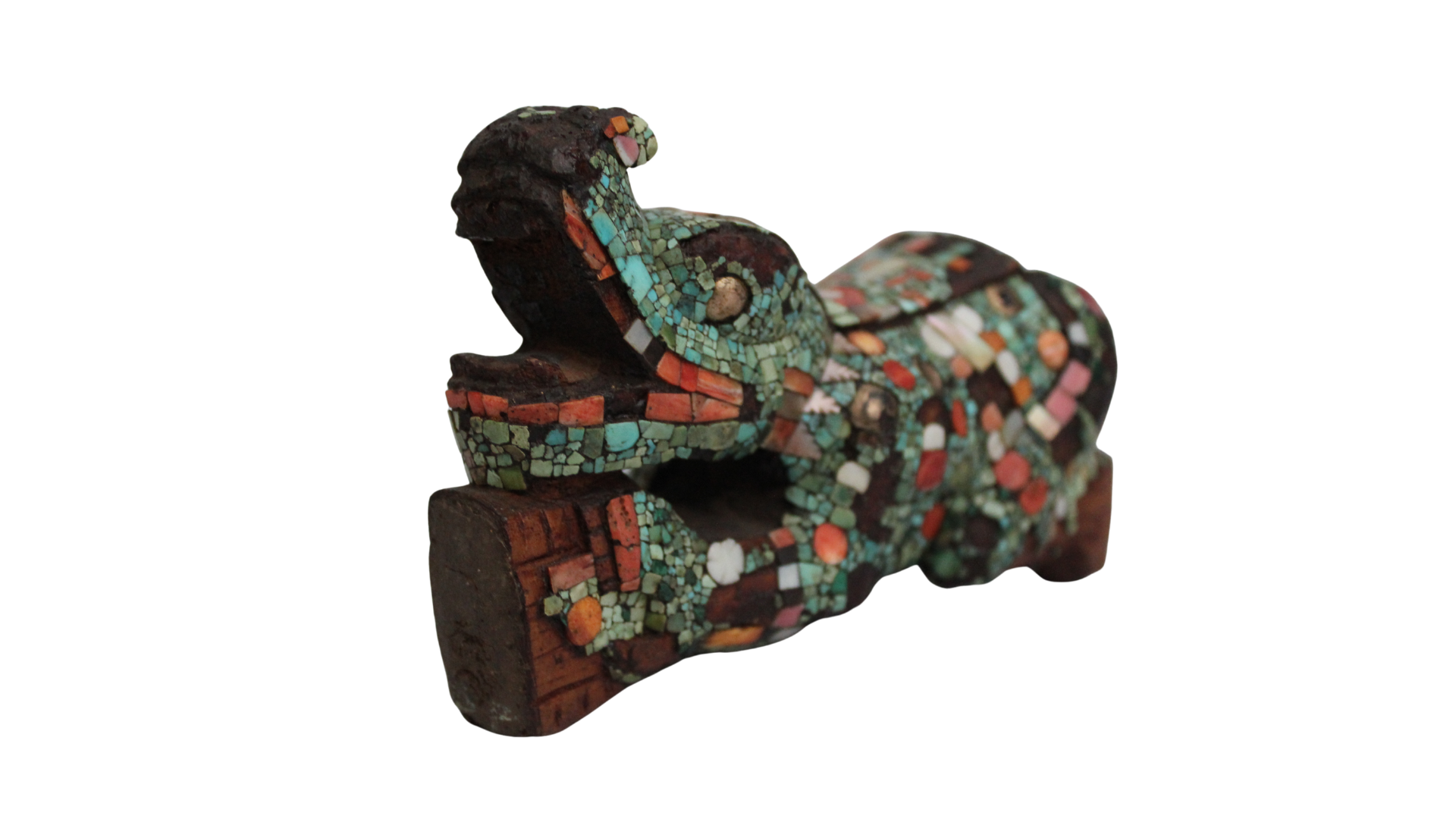
Zoomorphic handle of a sacrificial knife, unknown Nahua artists, early 16th century (MUCIV – Museo delle Civiltà – Rome).
Zoomorphic handle of a sacrificial knife, unknown Nahua artists, early 16th century (MUCIV – Museo delle Civiltà – Rome).
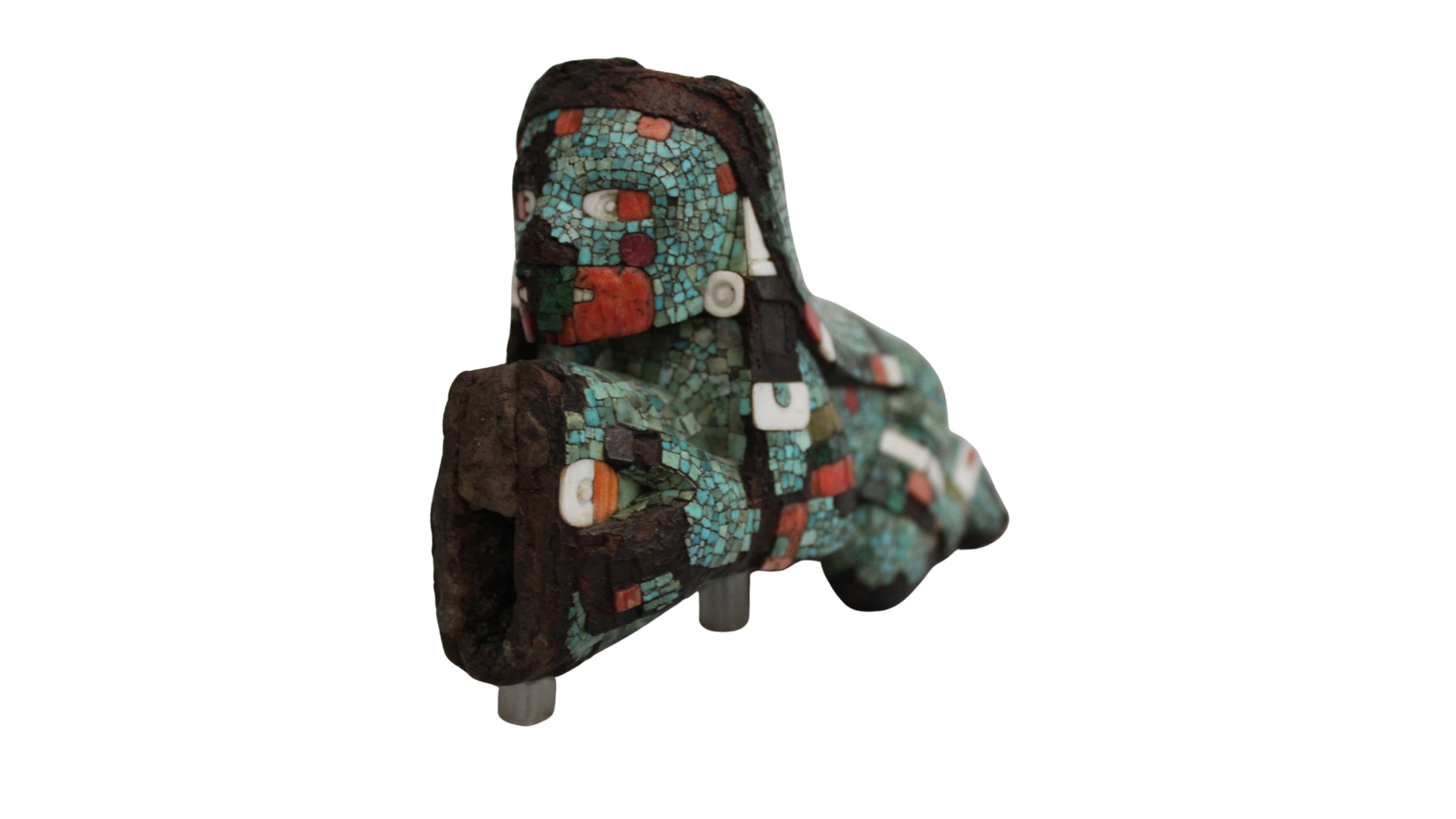
Anthropomorphic handle of a sacrificial knife, unknown Nahua artists, early 16th century (MUCIV – Museo delle Civiltà – Rome).
Anthropomorphic handle of a sacrificial knife, unknown Nahua artists, early 16th century (MUCIV – Museo delle Civiltà – Rome).

Head of the canine god Xolotl, unknown Nahua artist, early 16th century (photo Roberto Fortuna, National Museum of Denmark).
Head of the canine god Xolotl, unknown Nahua artist, early 16th century (photo Roberto Fortuna, National Museum of Denmark).

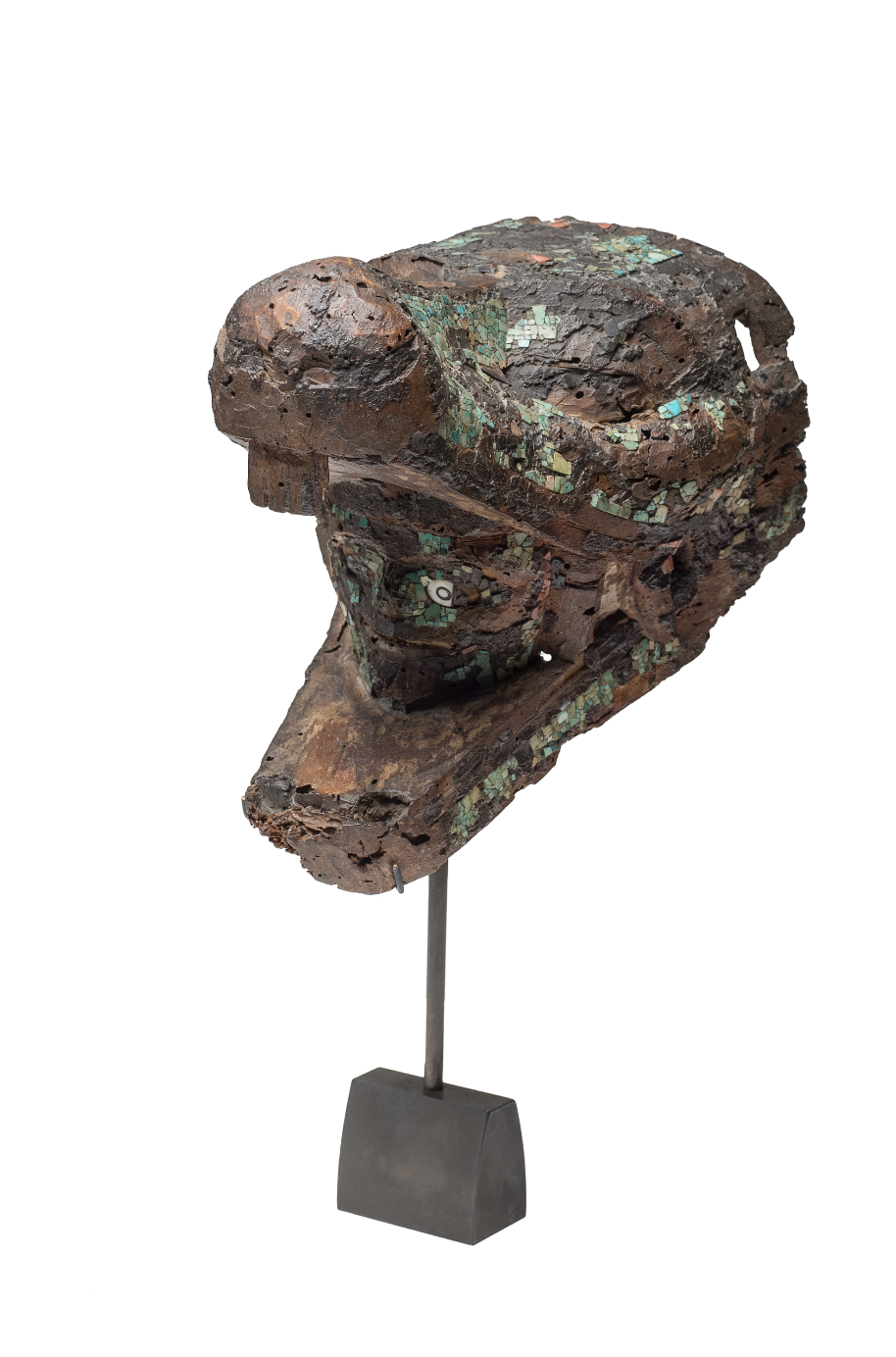
Venus as Morningstar emerging from the jaws of an animal, unknown Nahua artist, early 16th century (Roberto Fortuna, National Museum of Denmark).
Venus as Morningstar emerging from the jaws of an animal, unknown Nahua artist, early 16th century (Roberto Fortuna, National Museum of Denmark).

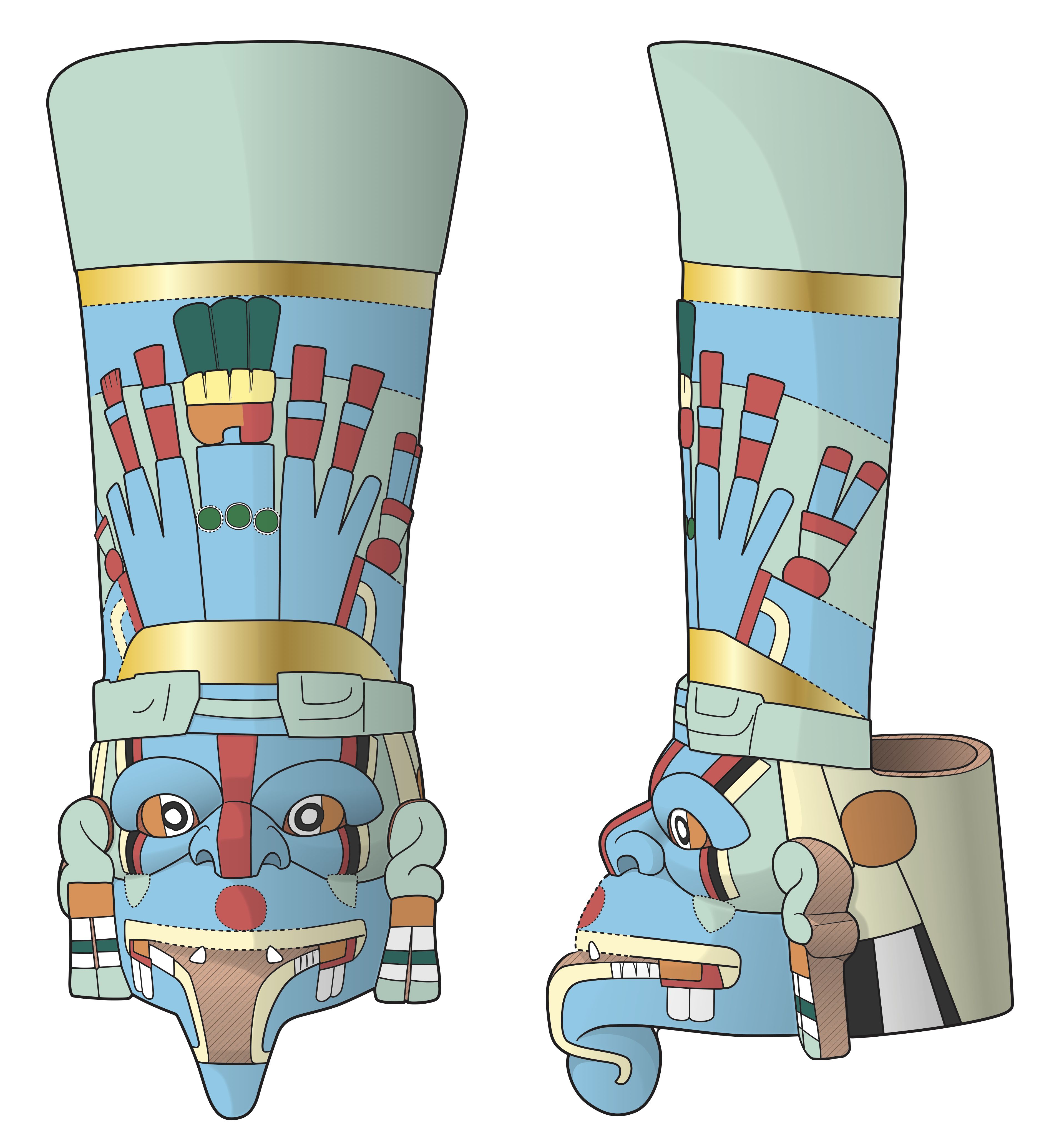

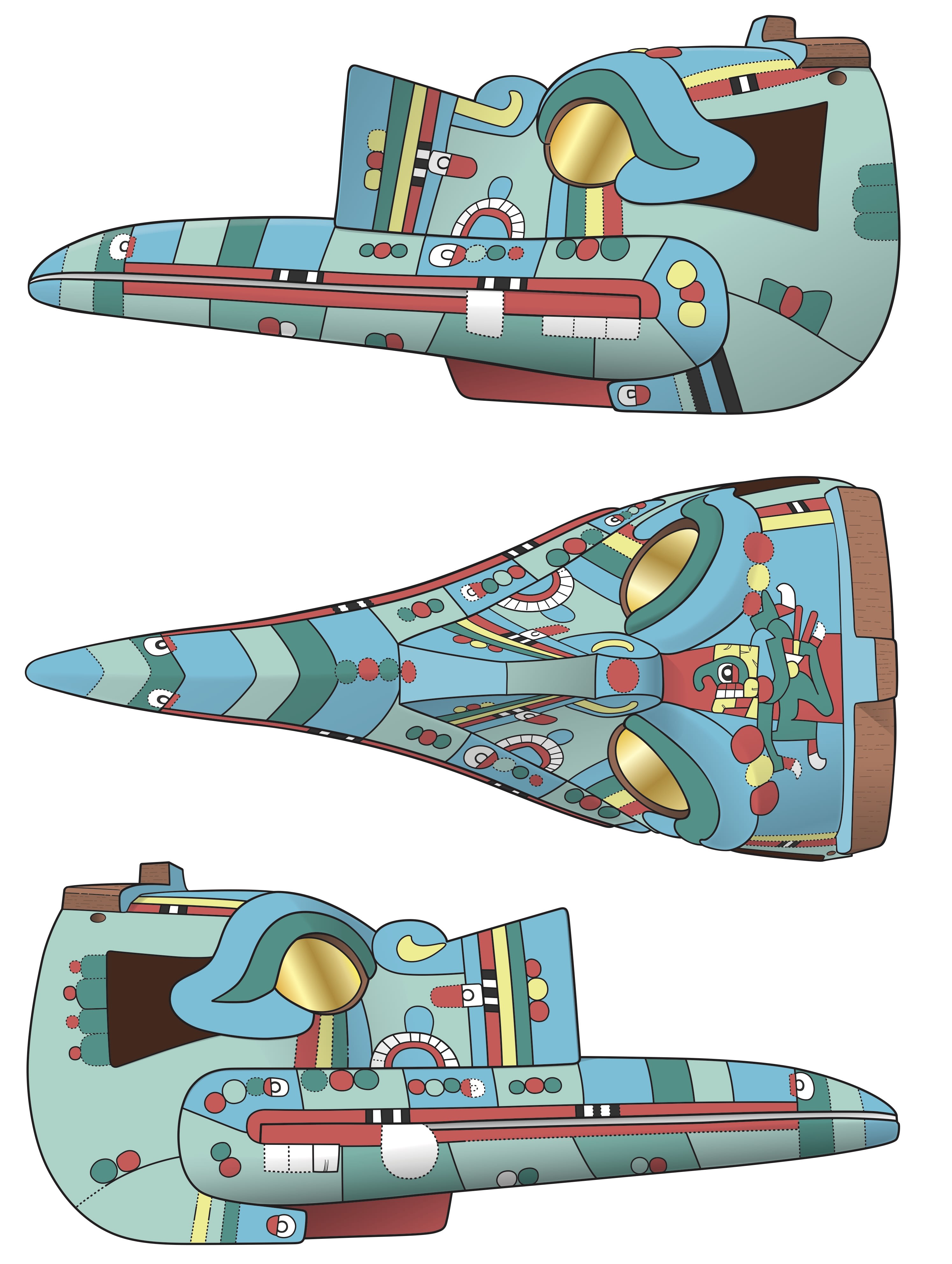

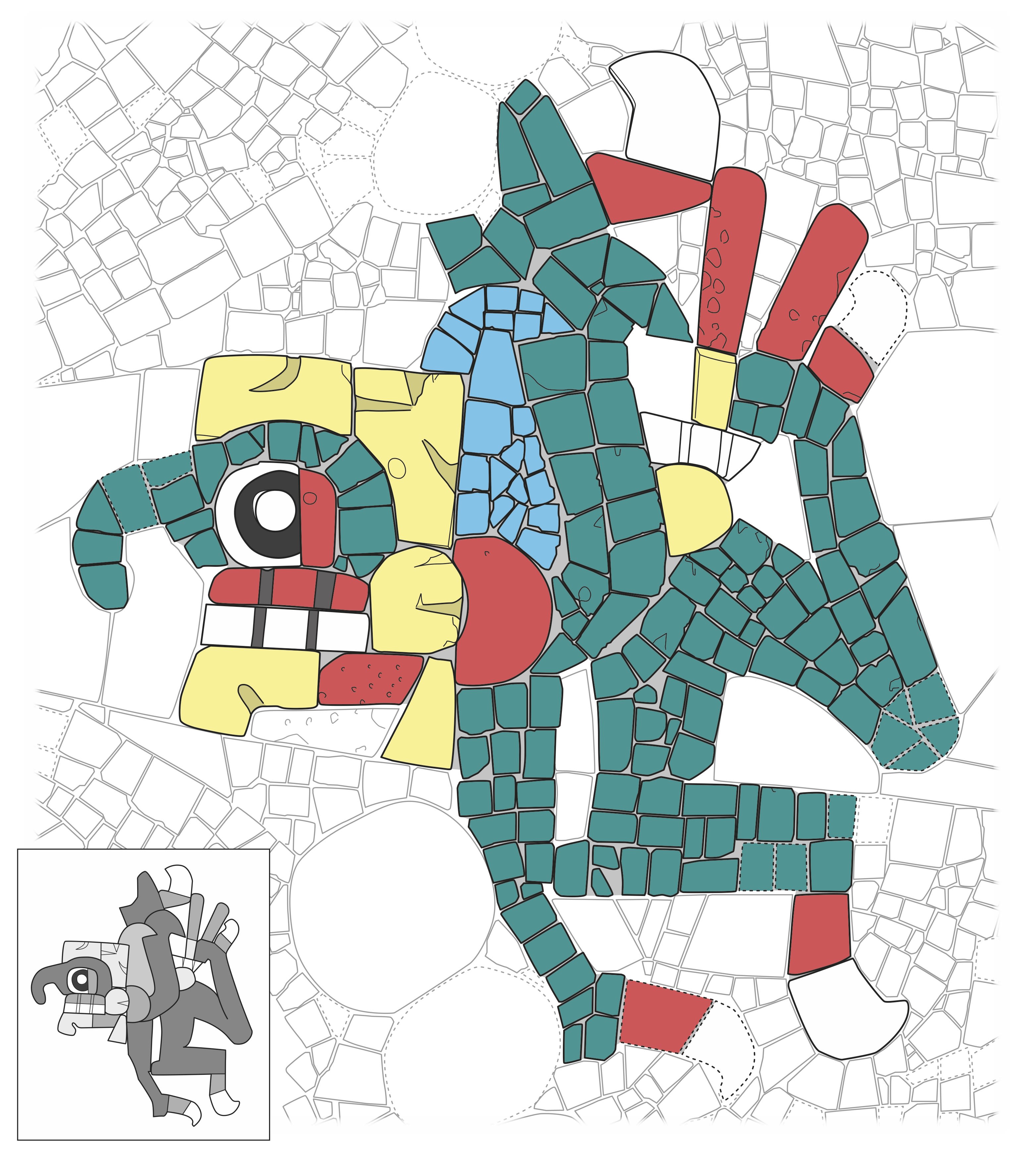

Reconstructive drawing of the head of the canine god Xolotl preserved in the National Museum of Denmark (drawing by Nicolas Latsanopoulos).
Reconstructive drawing of the head of the canine god Xolotl preserved in the National Museum of Denmark (drawing by Nicolas Latsanopoulos).

Reconstructive drawing of the head of the Nahua Wind God Ehecatl preserved in the Friedenstein Palace, Gotha, Germany (drawing by Nicolas Latsanopoulos).
Reconstructive drawing of the head of the Nahua Wind God Ehecatl preserved in the Friedenstein Palace, Gotha, Germany (drawing by Nicolas Latsanopoulos).

Detail of the head of the Nahua Wind God Ehecatl preserved in the Friedenstein Palace, Gotha, Germany (drawing by Nicolas Latsanopoulos).
Detail of the head of the Nahua Wind God Ehecatl preserved in the Friedenstein Palace, Gotha, Germany (drawing by Nicolas Latsanopoulos).
"The wise man is exemplary. He possesses writings; he owns books. He is the tradition, the road; a leader of men, a rower, a companion, a bearer of responsibility, a guide. […] The soothsayer is a wise man, an owner of books and of writings"
.04
Records of History, Time, and Destiny
Pictorial Manuscripts as Historical Documents and Divinatory Tools
Mesoamerican elites were literate and over the millennia they developed several writing systems to transcribe different languages. Complex assemblages of texts and images were traced on pottery, stone, wood, stucco, cloth, and book-like screenfolded strips of amate paper or deer skin, known as juun (“paper”) in Classic Maya and amoxtli in Nahuatl.
These pictorial manuscripts - or codices as they are known in Mesoamerican studies - were created by skilled artists, often from elite or royal families, who mastered the art of “making images” (tz’ibaj in Maya, icuiloa in Nahuatl), a concept blending what we conceive as writing and painting.
Pre-Hispanic codices included tribute lists, maps, and, most importantly, sacred histories and calendric and astronomical data used during divination rituals.
Due to the tropical climate and the destruction carried out by Spanish conquerors and missionaries — who saw codices as idolatrous objects — only 14 pre-Hispanic codices survive today, mostly in European institutions.
At least five of them, a full third of the total, were brought to Italy after the Conquest and are thus part of the corpus analyzed herein. All of them are roughly dated to the 15th–early 16th century.

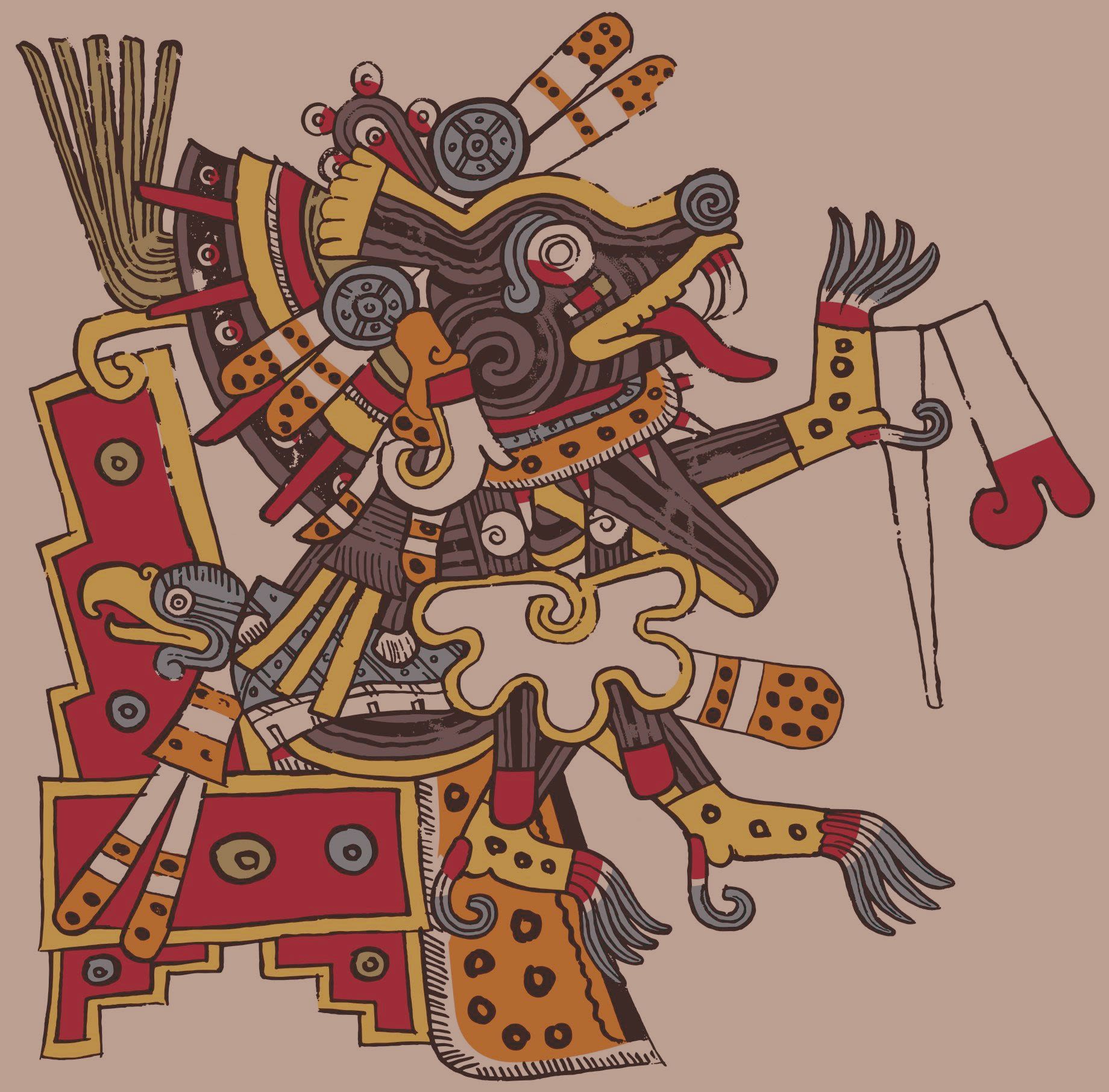
Two are Mixtec historical records, which begin with sacred origin stories and continue with detailed accounts of the feats and genealogies of kings and queens:
- Codex Tonindeye/Nuttall (British Museum)
- Codex Vindobonensis Mexicanus 1 (Austrian National Library)
Three are Nahua divinatory texts from the so-called Borgia Group, likely brought to Rome and Bologna by Domingo de Betanzos:
- Codex Cospi (Biblioteca Universitaria di Bologna)
- Codex Borgia (Biblioteca Apostolica Vaticana)
- Codex Vaticanus B (Vat. lat. 3773) (Biblioteca Apostolica Vaticana)
The three codices of the Borgia Group include a full 260-day divinatory calendar called tonalpohualli (“Count of Destinies”), where tona means “Sun”, “heat”, and “destiny”. Indeed, it was believed that the solar irradiation of each day had a different influence on the people’s lives, shaping their destiny. Priests called tonalpouhque (“he who counts destinies”) used these manuscripts to interpret such influences and foretell the future of those who sought their guidance.

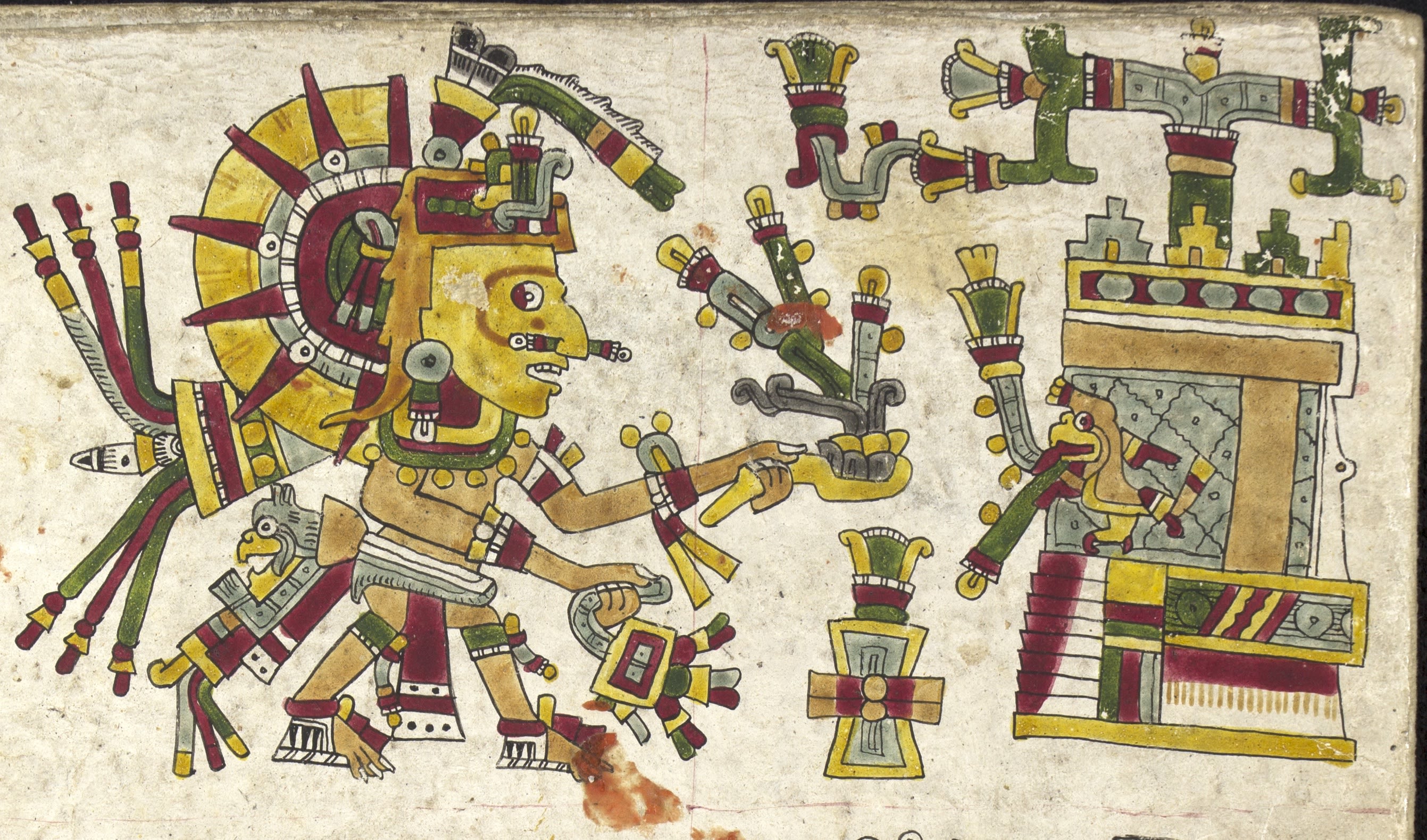
Detail of the recto of the Nahua Codex Cospi, unknown Nahua artists, 15th-16th century. © Alma Mater Studiorum Università di Bologna – Biblioteca Universitaria di Bologna
Detail of the recto of the Nahua Codex Cospi, unknown Nahua artists, 15th-16th century. © Alma Mater Studiorum Università di Bologna – Biblioteca Universitaria di Bologna

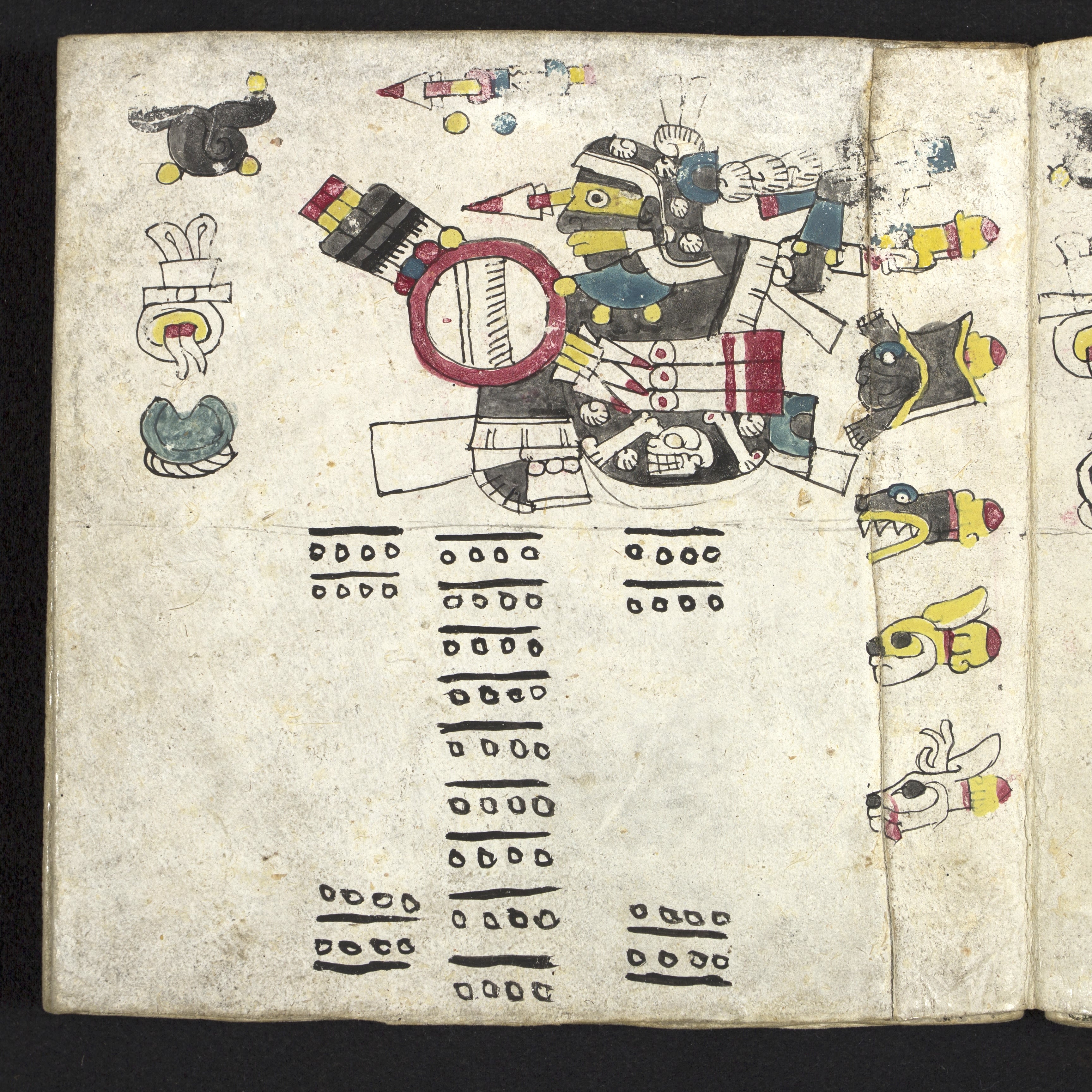
Detail of the verso of the Nahua Codex Cospi, unknown Nahua artists, 15th-16th century. © Alma Mater Studiorum Università di Bologna – Biblioteca Universitaria di Bologna
Detail of the verso of the Nahua Codex Cospi, unknown Nahua artists, 15th-16th century. © Alma Mater Studiorum Università di Bologna – Biblioteca Universitaria di Bologna
"They set up his image [ixiptla] - only a framework of wood which they made. They gave it a mask, his face, made of precious green stone, horizontally striped with turquoise. It was very awesome; it gleamed as if it shone exceedingly; it cast much brilliance"
.05
Stones, Shells, and the Aesthetics of Animacy
The Materiality of Mosaics
The mosaics brought to Italy in the 16th century can be divided into three groups, each defined by distinct stylistic and technological traits that were also studied during some analytical campaigns performed at the Museo delle Civiltà (Rome) by the MOLAB Mobile Laboratory with the support of E-RIHS.it, the Italian national node of the European Research Infrastructure for Heritage Science.
The Eastern Nahua group, brought by Domingo de Betanzos between 1531–1533 from the Puebla Valley, includes the mask of Yacatecuhtli (“The Nose Lord”), patron of merchants, and two knife handles with crouching figures held at the Museo delle Civiltà. Related pieces are the faces of Xolotl (Quetzalcoatl’s canine twin) and Tlahuizcalpantecuhtli (Venus as Morning Star) in the National Museum of Denmark, the bird-shaped head of Ehecatl (Wind God) in Gotha, and a knife, a jaguar cup, a helmet and maybe a small animal head at the British Museum, as well as a double-headed jaguar formerly in Berlin (sadly destroyed in WWII). These mosaics share so many iconographic and stylistic traits with the Borgia Group manuscripts that they could be termed “Borgia Group mosaics”.
The Mixtec mosaics brought to Florence around 1553 include the 9 Reed mask at the Museo delle Civiltà, an anthropomorphic mask, a Rain God mask, a bicephalic serpent and a shield at the British Museum, a mask in the Dallas Museum of Art, and a jaguar head lost in WWII. Even if characterized by a quadrichrome pattern, their surfaces are mostly made of turquoise.
The only surviving item from the group brought to Rome c. 1564 from the coastal Mixtec kingdom of Yucu Dzaa/Tututepec is a notched human femur, its head covered in pine resin and inlaid with sparse tesserae of black obsidian and reddish Spondylus.
Indigenous texts describe divine images as gleaming, glistening beings whose emission of light made their power visible. This effect was achieved not only by painstakingly polishing stones and shells but also by specific formal strategies: Eastern Nahua mosaics favored a vivid, intense polychromy, attained by using a wide range of materials, while Mixtec works used uncut turquoise nodules to create a three-dimensional surface which, interacting with light, would have created a dynamic, almost iridescent effect.
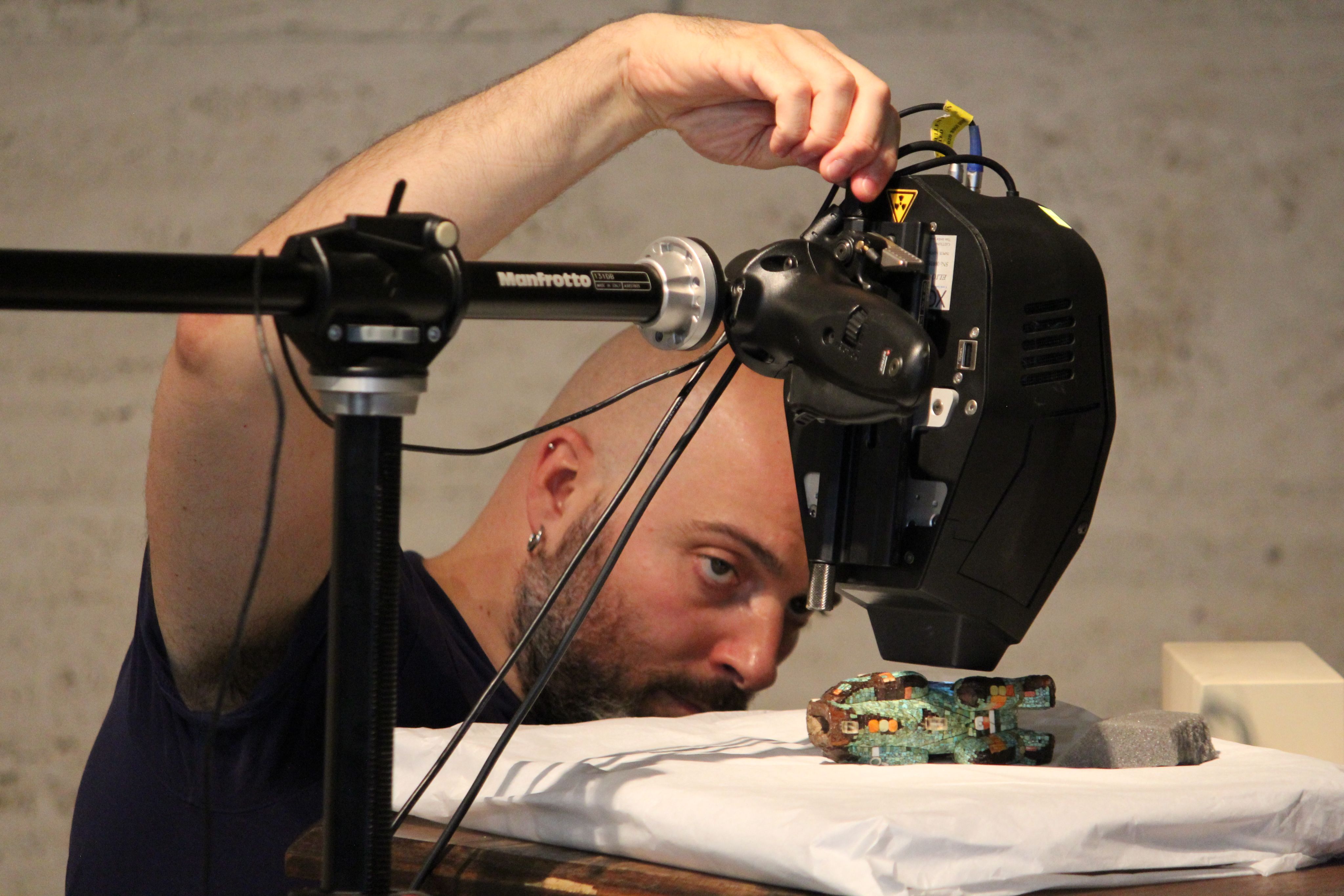
Performance of non-invasive analyses performed by the MOLAB mobile laboratory (ISPC-CNR) on the mosaics at MUCIV – Museo delle Civiltà – Rome (photo by Davide Domenici)
Performance of non-invasive analyses performed by the MOLAB mobile laboratory (ISPC-CNR) on the mosaics at MUCIV – Museo delle Civiltà – Rome (photo by Davide Domenici)
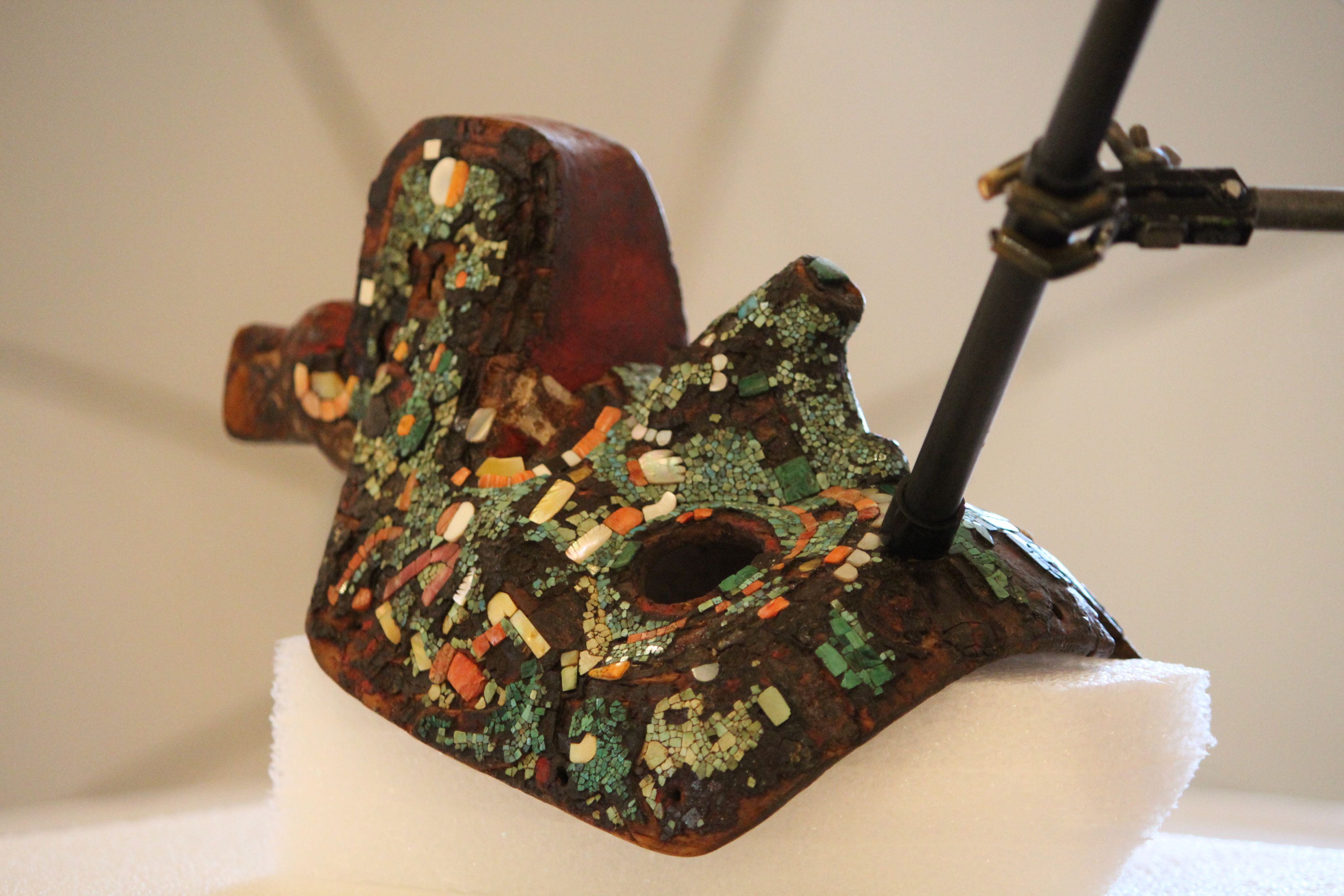
Performance of non-invasive analyses performed by the MOLAB mobile laboratory (ISPC-CNR) on the mosaics at MUCIV – Museo delle Civiltà – Rome (photo by Davide Domenici)
Performance of non-invasive analyses performed by the MOLAB mobile laboratory (ISPC-CNR) on the mosaics at MUCIV – Museo delle Civiltà – Rome (photo by Davide Domenici)
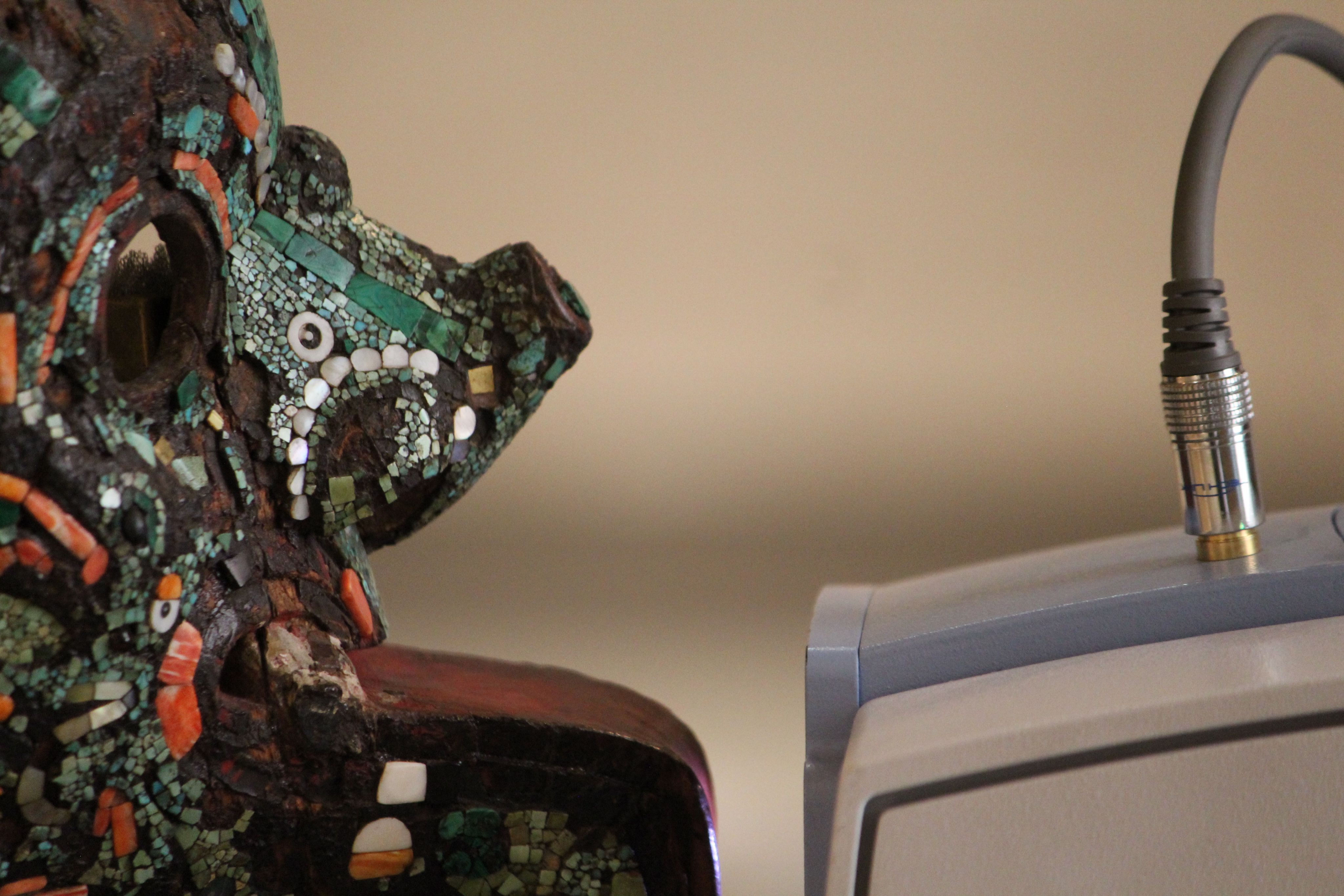
Performance of non-invasive analyses performed by the MOLAB mobile laboratory (ISPC-CNR) on the mosaics at MUCIV – Museo delle Civiltà – Rome(photo by Davide Domenici)
Performance of non-invasive analyses performed by the MOLAB mobile laboratory (ISPC-CNR) on the mosaics at MUCIV – Museo delle Civiltà – Rome(photo by Davide Domenici)
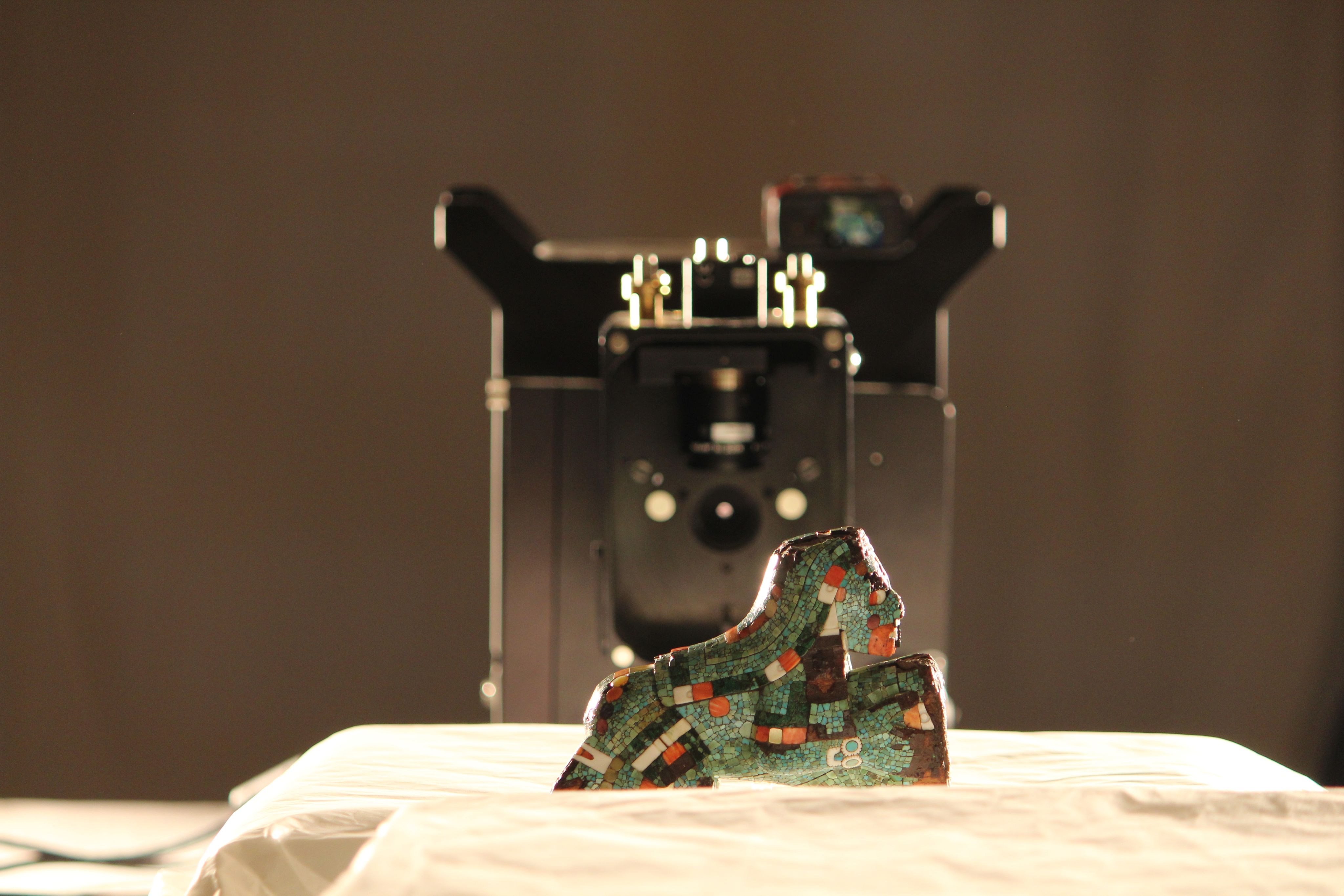
Performance of non-invasive analyses performed by the MOLAB mobile laboratory (ISPC-CNR) on the mosaics at MUCIV – Museo delle Civiltà – Rome (photo by Davide Domenici)
Performance of non-invasive analyses performed by the MOLAB mobile laboratory (ISPC-CNR) on the mosaics at MUCIV – Museo delle Civiltà – Rome (photo by Davide Domenici)
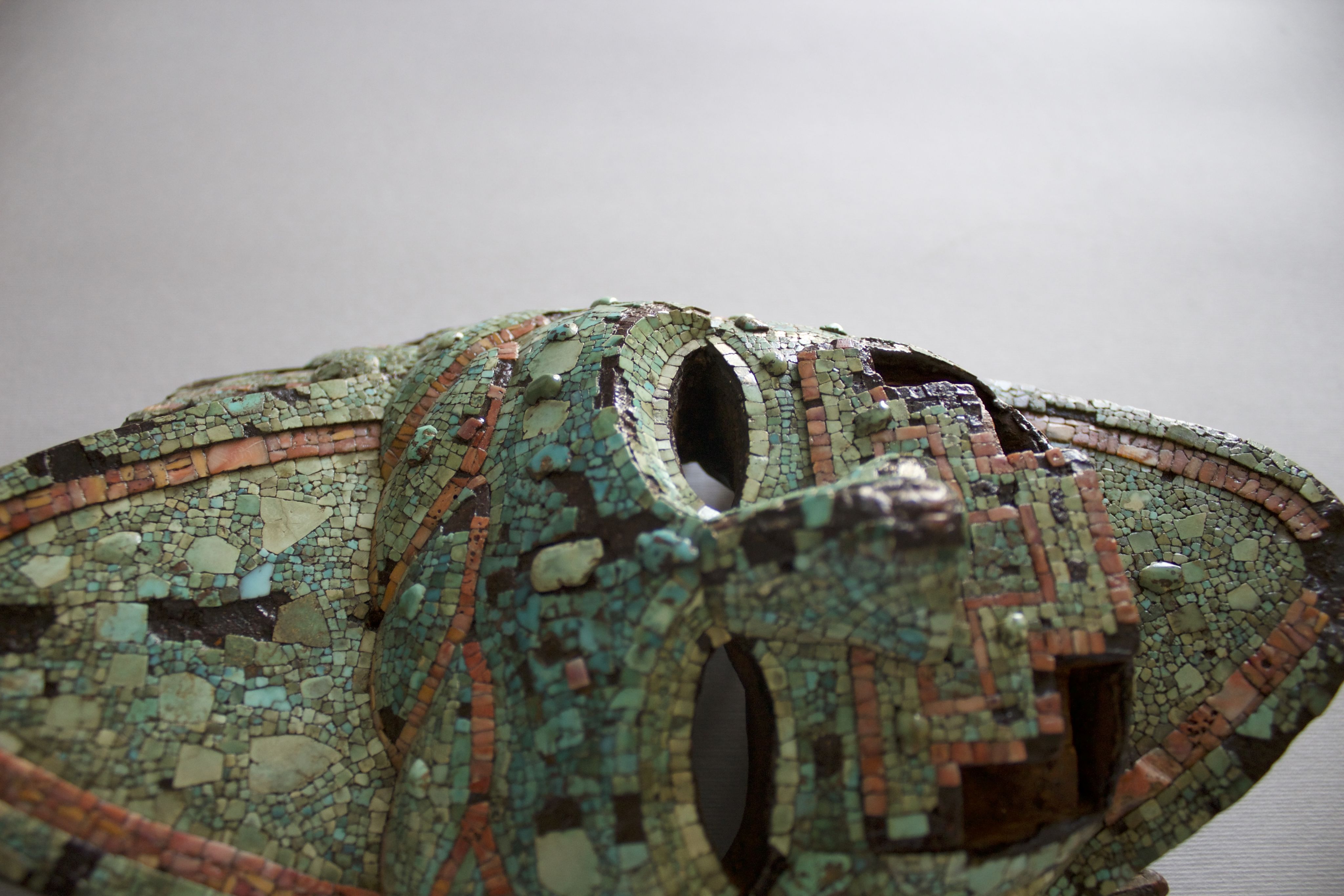
Surface of the 9 Reed mask, with tesserae of different dimensions and protruding uncut nodules (MUCIV – Museo delle Civiltà – Rome).
Surface of the 9 Reed mask, with tesserae of different dimensions and protruding uncut nodules (MUCIV – Museo delle Civiltà – Rome).






OMICHICAHUATZLI
If you may find images of human remains disturbing or offensive, we recommend that you do not click below. If you may find images of human remains disturbing or offensive, we recommend that you do not click below.
"With flowers you paint them, O Life Giver, with songs you color them. You color-recite them who’ll live on earth"

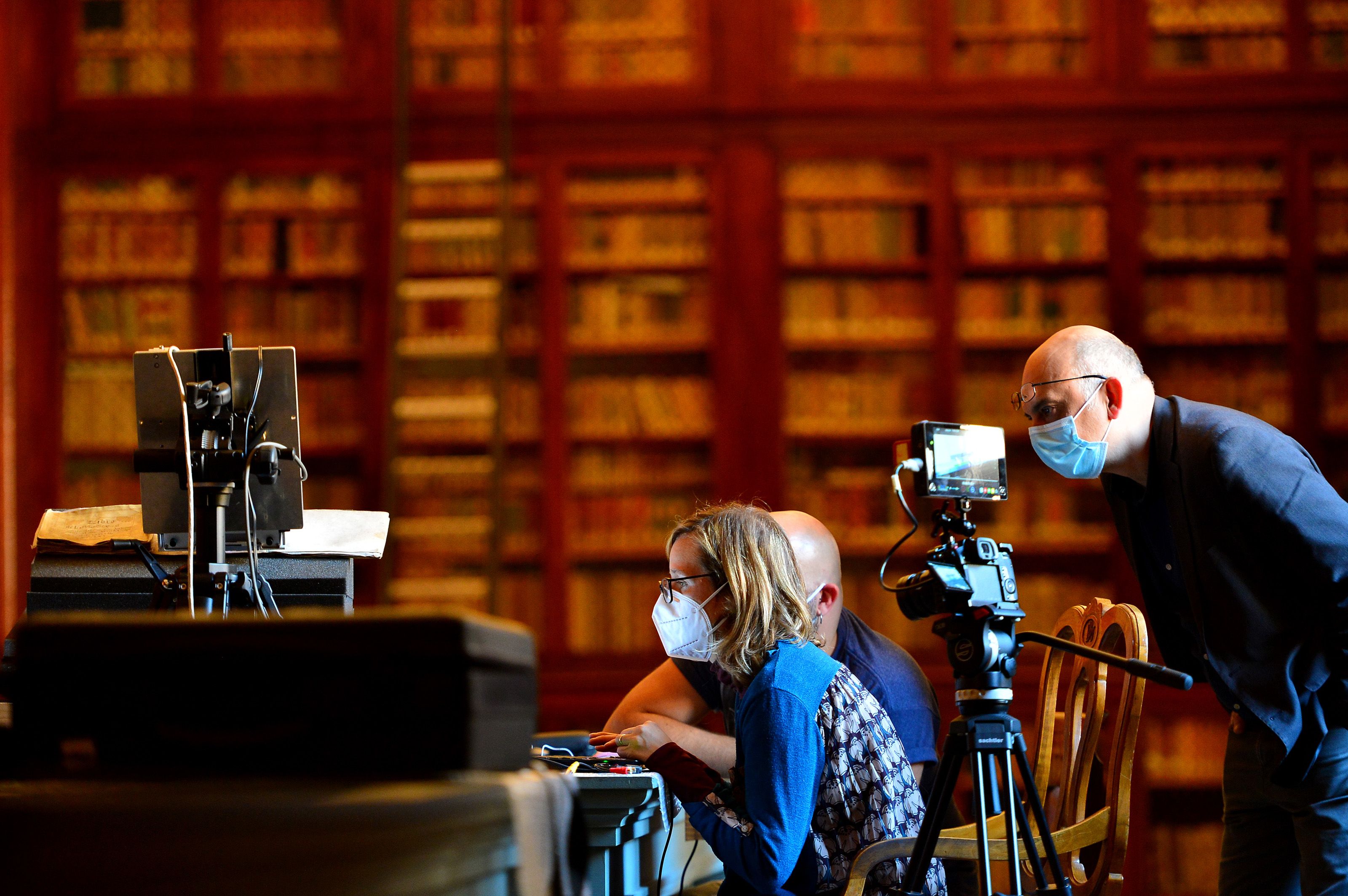
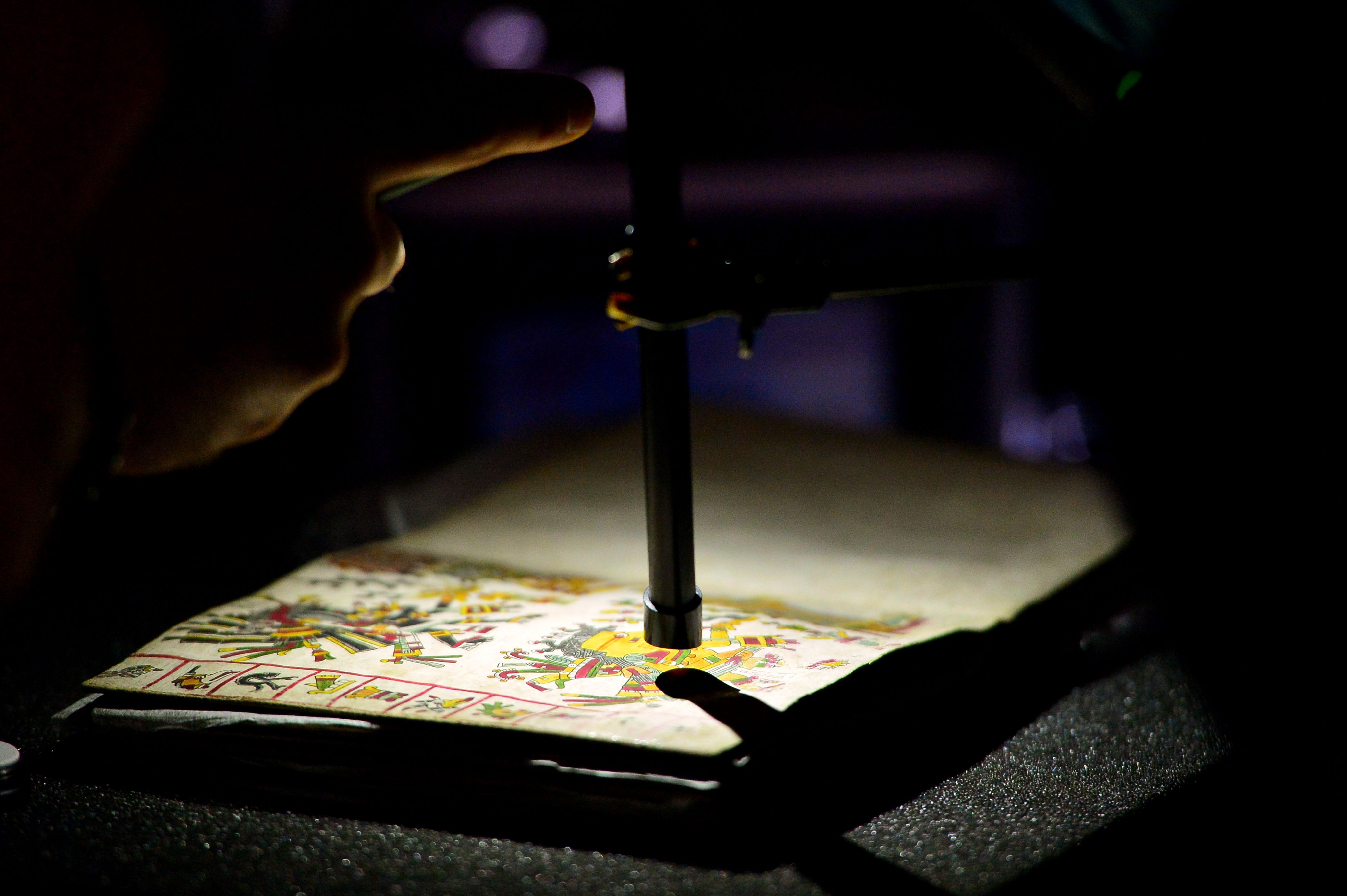
Performance of non-invasive analyses performed by the MOLAB mobile laboratory (ISPC-CNR) on the Codex Cospi at the Biblioteca Universitaria di Bologna (photos Luca Sgamellotti).
Performance of non-invasive analyses performed by the MOLAB mobile laboratory (ISPC-CNR) on the Codex Cospi at the Biblioteca Universitaria di Bologna (photos Luca Sgamellotti).

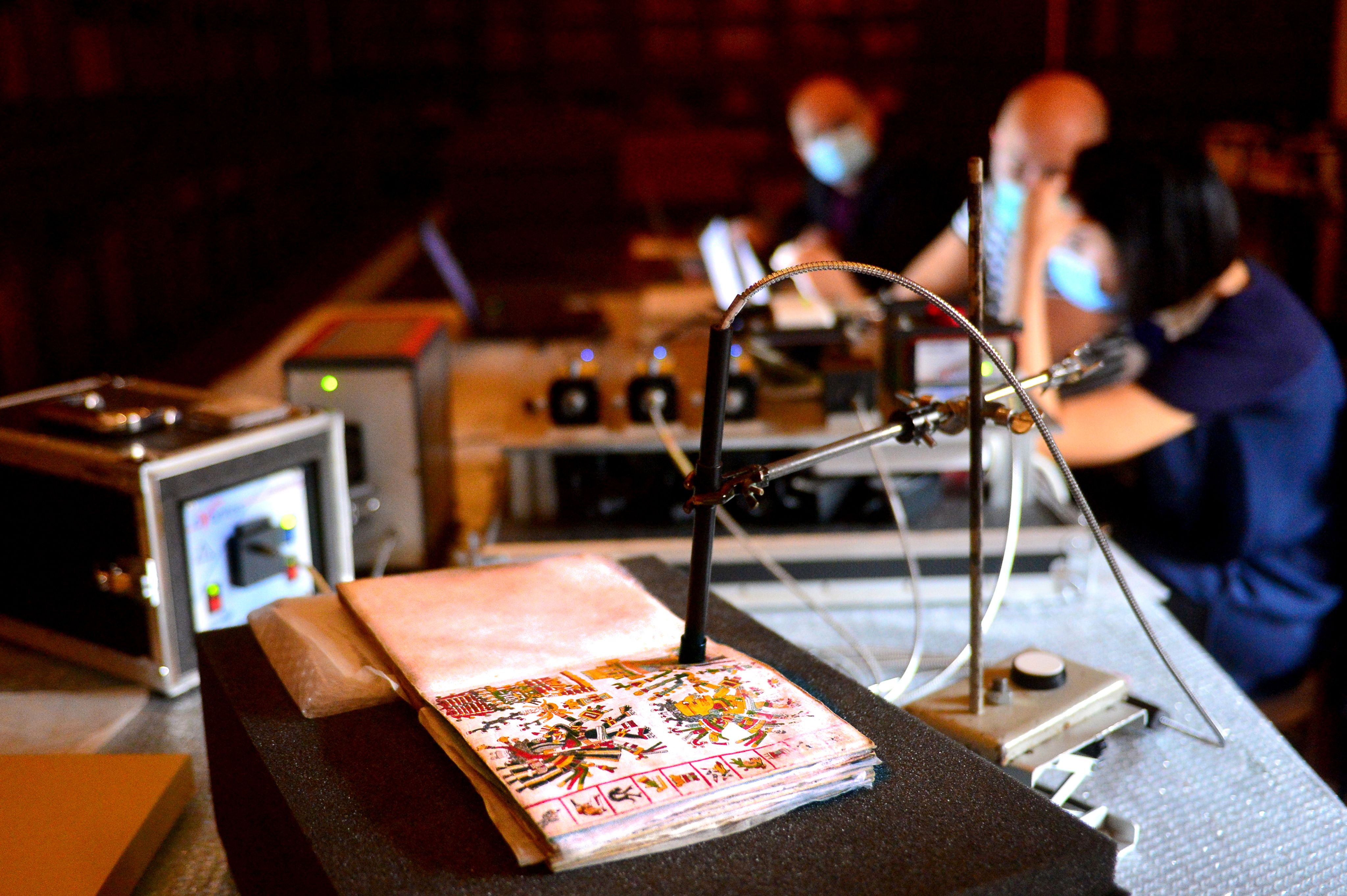
Performance of non-invasive analyses performed by the MOLAB mobile laboratory (ISPC-CNR) on the Codex Cospi at the Biblioteca Universitaria di Bologna (photos Luca Sgamellotti).
Performance of non-invasive analyses performed by the MOLAB mobile laboratory (ISPC-CNR) on the Codex Cospi at the Biblioteca Universitaria di Bologna (photos Luca Sgamellotti).
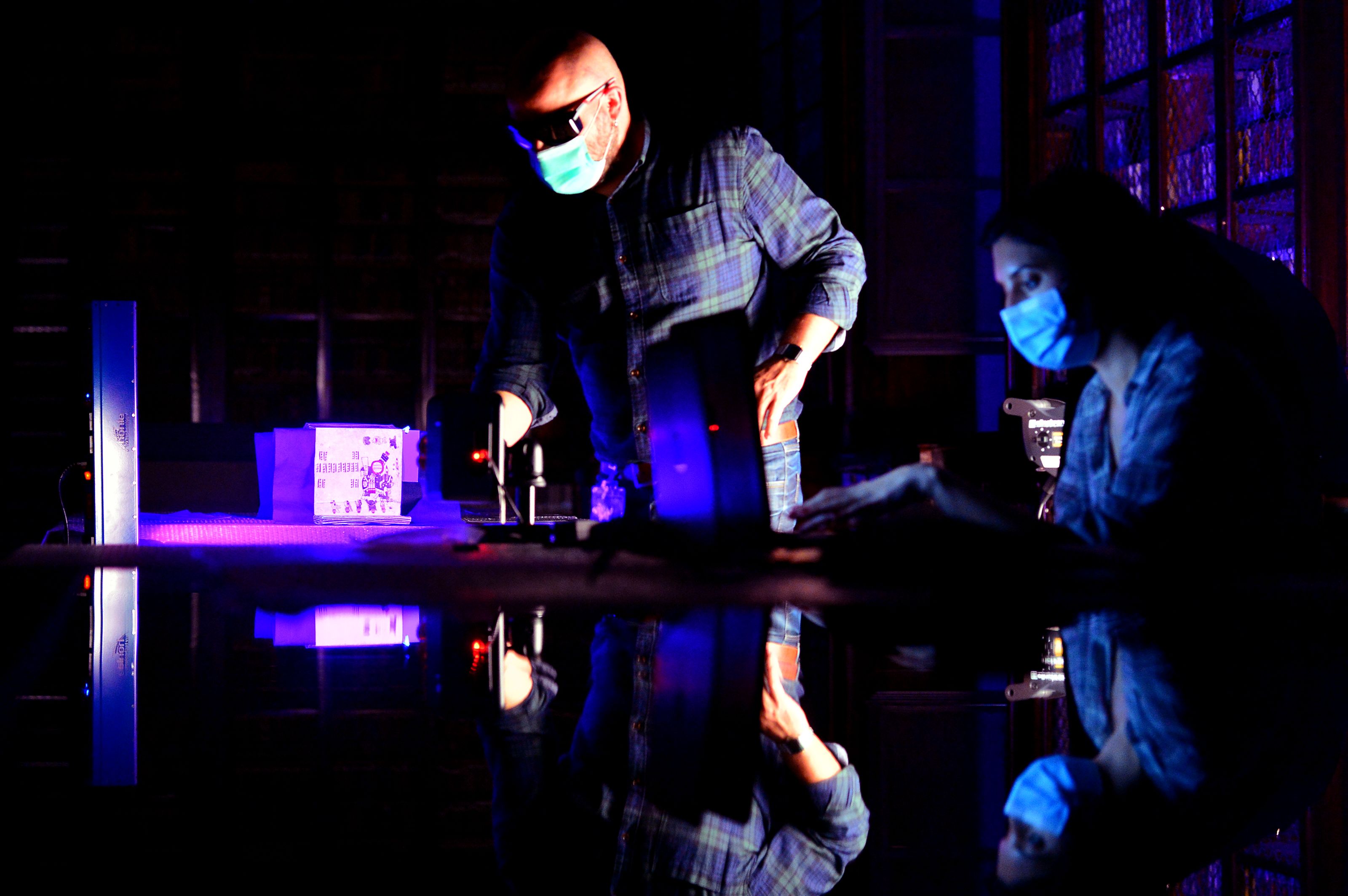
Performance of non-invasive analyses performed by the MOLAB mobile laboratory (ISPC-CNR) on the Codex Cospi at the Biblioteca Universitaria di Bologna (photos Luca Sgamellotti).
Performance of non-invasive analyses performed by the MOLAB mobile laboratory (ISPC-CNR) on the Codex Cospi at the Biblioteca Universitaria di Bologna (photos Luca Sgamellotti).

Watch the video "Codex Cospi Magic Lens", by CNR ISPC
Watch the video "Codex Cospi Magic Lens", by CNR ISPC
.06
A Colorful, Flowery Speech
A Dialogue Between Technological Knowledges
In the last 20 years, in collaboration with the MOLAB Mobile Laboratory of the National Research Council of Italy (CNR ISPC, CNR SCITEC) and the University of Perugia (Centre of Excellence SMAArt), we have been performing non-invasive scientific analyses of the painting materials used on pre-Hispanic and colonial Mesoamerican manuscripts.
Five pre-Hispanic and colonial manuscripts still in Italy were analyzed (Codex Cospi at the Biblioteca Universitaria di Bologna, Codex Borgia, Codex Vaticanus B, and Codex Vaticanus A at the Biblioteca Apostolica Vaticana, and Codex Magliabechiano at the Biblioteca Nazionale Centrale di Firenze).
Several other manuscripts were also studied in other European countries, including the Mixtec Codex Tonindeye-Nuttall at the British Museum, which proceeds from Florence. The analyses enabled us to identify the specific palettes used in each codex and to define particular pre-Hispanic technological traditions or schools.
The most striking and unexpected result of the analyses was the strong preference among pre-Hispanic Indigenous painters for painting materials whose chromophores — i.e., the components that provide color — were of organic origin, such as cochineal insects and various flowers.
Because organic dyes are fugitive, Indigenous painters developed sophisticated techniques to ensure color durability, including the creation of lakes (using metallic salts as mordants) and hybrid organic-inorganic compounds (with white fibrous clays like palygorskite and sepiolite as inorganic bases). The near-total avoidance of mineral pigments — aside from a limited use of orpiment — is particularly notable, given their widespread application in other media such as sculpture and architecture. This avoidance likely reflects deep-rooted cultural understandings of the materiality of color.
"His holy songs are like paintings,
like delicious flowers, fragrant ones"
Cantares mexicanos
In Mesoamerican thought, where the sprouting of flowers and the act of chanting were deeply linked — as expressed in the Nahuatl metaphor in xochitl, in cuicatl (“the flower, the song,” meaning poetry) — it is conceivable that Indigenous painters deliberately chose "flowery matter" to paint manuscripts intended for ritual recitation.
Accordingly, the technological changes observed in early colonial times were not primarily driven by the introduction of European pigments, but rather by the increased use of local mineral pigments on European-style books that were not intended for ceremonial performance.

 Built with Shorthand